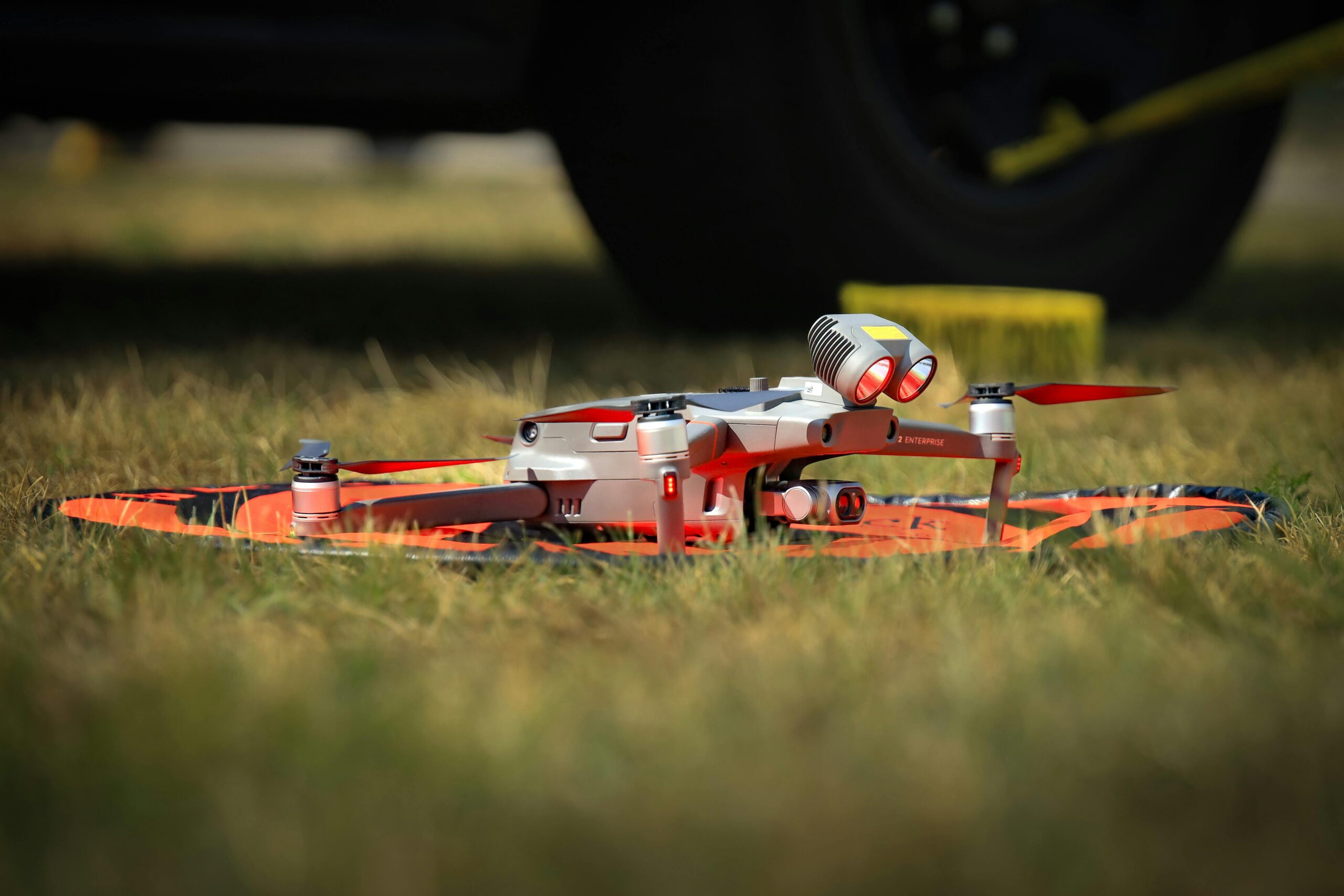
Modern aviation demands precision at every altitude, and integrating real-time weather data into flight routes has become essential for safer, more efficient air travel worldwide.

🌤️ The Aviation Weather Revolution: Why Integration Matters Now
The relationship between aviation and meteorology has always been critical, but today’s technological capabilities have transformed how pilots and flight planners approach altitude management. Weather-integrated routing systems now offer unprecedented visibility into atmospheric conditions across entire flight paths, enabling decisions that were impossible just a decade ago.
Traditional flight planning relied heavily on pre-departure weather briefings and periodic updates during flight. This approach, while functional, left significant gaps in situational awareness, particularly during long-haul flights crossing multiple weather systems. The integration of continuous weather layers into navigation systems addresses these limitations comprehensively.
Airlines worldwide report that weather-related delays and diversions account for approximately 70% of all flight disruptions. By incorporating predictive weather modeling directly into altitude routing decisions, operators can reduce these incidents substantially while improving passenger comfort and operational efficiency.
Understanding Multi-Layer Weather Integration Architecture
Modern weather-integrated flight systems operate on sophisticated multi-layer architectures that combine diverse meteorological data sources. These systems aggregate information from satellites, ground-based radar networks, atmospheric sensors, and predictive models to create comprehensive four-dimensional weather maps.
The integration process involves several critical components working simultaneously:
- Real-time satellite imagery providing cloud coverage and storm system tracking
- Lightning detection networks identifying convective activity along routes
- Wind velocity models at multiple altitude bands for optimal routing
- Turbulence forecasting algorithms predicting clear-air and convective disturbances
- Icing condition monitors for safe altitude selection in precipitation zones
- Temperature and pressure gradient mapping for performance optimization
Each data layer updates at different intervals, from near-instantaneous lightning detection to hourly model updates for extended forecasts. The synthesis of these varied refresh rates requires sophisticated data fusion algorithms that prioritize the most current and relevant information for immediate flight decisions.
The Technical Foundation: Data Acquisition and Processing
Weather data integration begins with robust acquisition systems capable of handling massive information streams. Geostationary weather satellites provide continuous hemispheric coverage, while polar-orbiting satellites offer higher-resolution data during their passes. Ground-based Doppler radar networks fill in critical low-altitude details that satellites might miss.
Processing this data volume demands advanced computational infrastructure. Modern flight operations centers employ distributed computing systems that can ingest, validate, and synthesize weather information from hundreds of sources simultaneously. Machine learning algorithms increasingly play a role in identifying patterns and anomalies that might indicate developing hazards.
✈️ Optimizing Altitude Selection Through Weather Intelligence
Altitude selection has always been a balancing act between fuel efficiency, air traffic control requirements, aircraft performance, and weather avoidance. Weather-integrated systems tip this balance decisively toward optimization by providing granular visibility into conditions at every potential flight level.
Wind patterns vary significantly with altitude, and even small differences in headwind or tailwind components can translate into substantial fuel savings or time penalties over long distances. Integrated weather systems display wind velocities across altitude bands, allowing planners to identify optimal cruise levels that maximize tailwind benefits or minimize headwind penalties.
Temperature variations also impact aircraft performance and fuel consumption. Colder air increases engine efficiency but may introduce icing risks in certain humidity conditions. Weather-integrated routing systems evaluate these trade-offs automatically, suggesting altitude changes that balance performance optimization with safety requirements.
Turbulence Prediction and Smooth Flight Optimization
Passenger comfort directly correlates with flight smoothness, and turbulence remains one of the most unpredictable weather phenomena affecting aviation. Modern integrated weather systems employ sophisticated turbulence prediction models that combine atmospheric stability indices, wind shear detection, and historical turbulence reports from other aircraft.
Clear-air turbulence (CAT), particularly challenging because it occurs in cloudless skies without visual warning, can now be anticipated with increasing accuracy. Predictive algorithms identify atmospheric conditions conducive to CAT formation, including jet stream boundaries, mountain wave activity, and frontal zones where air masses with different characteristics meet.
When turbulence is forecast along a planned route, integrated systems can suggest altitude adjustments to smoother air. These recommendations consider not just the immediate turbulence avoidance but also the fuel cost of climbing or descending and the likelihood of encountering different disturbances at alternative altitudes.
Convective Weather Avoidance: Navigating Storm Systems Safely
Thunderstorms represent the most hazardous weather phenomenon for aviation, combining multiple threats including severe turbulence, lightning, hail, icing, and extreme wind shear. Integrated weather layers provide comprehensive convective weather monitoring that enables proactive avoidance strategies.
Modern systems display storm cells with intensity gradients, movement vectors, and growth trends. Pilots can see not only where hazardous weather exists currently but where it will likely be when their aircraft reaches that position. This predictive capability is crucial for long-range planning and fuel reserve calculations.
Vertical cross-sections through weather systems reveal the altitude structure of storms, showing where tops reach and where embedded cells might create hazards at cruise altitudes. This three-dimensional perspective allows planners to determine whether overtopping storms is feasible or whether lateral deviation provides the safer option.
Winter Operations: Icing and Snow Considerations
Winter weather introduces specific challenges that integrated weather systems address through specialized data layers. Icing conditions form when supercooled water droplets exist in clouds or precipitation, and these can rapidly accumulate on aircraft surfaces, degrading performance and potentially causing control issues.
Integrated icing prediction models combine temperature profiles, humidity levels, and cloud liquid water content to identify altitudes where icing risks are highest. These systems distinguish between different icing intensities and types, allowing pilots to select altitudes that minimize exposure to severe icing zones.
Snow and freezing precipitation at departure and arrival airports require coordination between en-route weather planning and terminal area operations. Integrated systems provide seamless visibility from gate to gate, ensuring that altitude decisions account for conditions at both ends of the flight.
🛰️ Real-Time Updates: Keeping Intelligence Current During Flight
Static weather briefings belong to aviation’s past. Modern operations demand continuous updates throughout every flight phase, and integrated weather systems deliver this through multiple communication channels including satellite data links, VHF data radio, and increasingly, internet-based connectivity.
In-flight weather updates occur automatically in most modern aircraft, with new information overlaying onto navigation displays without pilot intervention. Critical weather developments trigger alerts that draw attention to emerging hazards, ensuring crews remain aware of changing conditions even during high-workload phases.
The update frequency depends on data type and connection bandwidth. Lightning data might refresh every minute, while model-based forecasts update hourly. Prioritization algorithms ensure that the most safety-critical information receives transmission priority when bandwidth becomes constrained.
Pilot-Weather System Interaction: Human Factors Design
The most sophisticated weather integration becomes worthless if pilots cannot interpret and act upon the information effectively. Modern systems emphasize intuitive visualization that presents complex meteorological data in readily understandable formats.
Color-coded intensity scales, standardized symbology, and customizable display options allow crews to configure weather presentations matching their preferences and immediate needs. During cruise, pilots might display broad-area views showing weather along the entire route. During approach, they might zoom to terminal-area detail showing precipitation, wind shear, and visibility conditions.
Training programs increasingly focus on weather system interpretation, ensuring pilots understand not just what the displays show but the meteorological principles behind the presentations. This deeper understanding enables more effective decision-making when situations require judgment calls beyond standard procedures.
Fuel Efficiency Gains Through Strategic Altitude Management
Airlines operate on narrow profit margins where fuel costs represent 20-30% of total operating expenses. Even small percentage improvements in fuel efficiency translate into millions of dollars annually for major carriers, making weather-optimized altitude management a significant economic factor.
Wind-optimized routing leverages high-altitude jet streams when flying eastbound and avoids them westbound. Integrated weather systems calculate optimal altitudes that maximize these wind benefits throughout the flight, not just at cruise but during climb and descent phases as well.
Temperature optimization provides additional efficiency gains. Aircraft engines perform more efficiently in colder air, but aerodynamic drag also increases with air density. Integrated systems identify the altitude where these competing factors balance optimally for each specific aircraft type, weight, and atmospheric conditions.
| Weather Factor | Altitude Impact | Fuel Savings Potential |
|---|---|---|
| Jet Stream Optimization | ±2000-4000 feet | 2-8% per flight |
| Temperature Selection | ±1000-2000 feet | 1-3% per flight |
| Turbulence Avoidance | Variable | 0.5-2% per flight |
| Storm Deviation Minimization | Lateral and vertical | 1-5% per affected flight |
🌍 Global Implementation: Regional Weather Challenges
Weather characteristics vary dramatically across global regions, and integrated systems must adapt to these differences. Tropical regions contend with intense convective activity and monsoon patterns. Polar routes face extreme cold, limited diversion options, and unique meteorological phenomena like polar lows.
Mountainous terrain creates localized weather patterns including orographic lifting, mountain waves, and terrain-channeled winds. Integrated weather systems incorporate high-resolution terrain databases that model these effects, providing accurate predictions for routes crossing major mountain ranges.
Oceanic operations present particular challenges due to limited ground-based observation networks. Satellite data becomes even more critical over water, and integrated systems leverage advanced satellite products specifically designed for oceanic weather monitoring.
Regulatory Frameworks Supporting Weather Integration
Aviation authorities worldwide recognize the safety and efficiency benefits of integrated weather systems and have developed regulatory frameworks supporting their implementation. Requirements for weather data quality, update frequencies, and display standards ensure consistency across operators and equipment manufacturers.
Certification processes verify that integrated weather systems meet stringent reliability and accuracy standards. Redundancy requirements ensure that weather information remains available even during system failures, with backup displays and alternate data sources providing continuity.
International standards organizations coordinate requirements across borders, ensuring that aircraft can access consistent weather services regardless of geographic location. This harmonization facilitates global operations and prevents gaps in coverage during international flights.
Future Horizons: Artificial Intelligence and Predictive Weather Routing
The next generation of weather-integrated routing systems will leverage artificial intelligence and machine learning to unprecedented degrees. These systems will learn from millions of historical flights, identifying optimal routing strategies that human planners might overlook.
Predictive algorithms will extend forecast accuracy by recognizing subtle patterns in atmospheric data that precede weather development. Machine learning models trained on decades of meteorological observations can identify these patterns faster and more reliably than traditional numerical weather prediction alone.
Autonomous flight systems currently under development will integrate weather intelligence directly into flight control algorithms, making continuous micro-adjustments to altitude and routing that optimize every moment of flight. These systems will respond to weather changes faster than human crews, though always with human oversight and intervention capability.
The Role of Big Data in Weather Intelligence Evolution
Aviation weather integration generates enormous data volumes as thousands of flights continuously report conditions encountered. This crowdsourced weather information, combined with traditional observation networks, creates unprecedented datasets for analysis and model improvement.
Big data analytics identify correlations between weather conditions and flight performance, turbulence encounters, and operational disruptions. These insights feed back into predictive models, creating continuous improvement cycles that enhance accuracy over time.
Data sharing between operators, though constrained by competitive considerations, increasingly occurs through industry consortiums and regulatory data pools. This collaborative approach benefits all participants through improved weather intelligence that no single operator could develop independently.
🎯 Practical Implementation: Getting Started with Weather Integration
Operators seeking to implement or upgrade weather-integrated routing systems face numerous technology and procedural considerations. The transition requires investment in avionics, ground systems, connectivity infrastructure, and training programs.
Retrofit options exist for older aircraft lacking factory-installed integrated weather systems. Portable electronic flight bags (EFBs) can display comprehensive weather information connected through aircraft data systems or independent cellular/satellite links. These solutions provide significant capability improvements at lower costs than full avionics upgrades.
Ground-based dispatch systems require integration with weather data providers, necessitating service agreements and technical interfaces. Selecting providers involves evaluating data quality, coverage areas, update frequencies, and reliability records. Most operators utilize multiple redundant providers to ensure continuous availability.
Training investments span multiple personnel categories. Dispatchers require education on weather system capabilities and optimal routing strategies. Pilots need cockpit system operation training and enhanced meteorological knowledge. Maintenance personnel must understand weather system troubleshooting and certification requirements.
Measuring Success: Metrics That Matter
Quantifying weather integration benefits requires tracking specific operational metrics before and after implementation. Fuel consumption per flight mile provides direct efficiency measurement. On-time performance improvements indicate better weather avoidance and routing. Turbulence injury rates measure passenger and crew safety enhancements.
Diversion and delay statistics related to weather causes should decrease substantially with effective integration. These disruptions carry significant costs including passenger compensation, crew duty time complications, and aircraft utilization losses. Even modest percentage reductions generate substantial financial returns.
Customer satisfaction metrics often improve with weather-integrated operations due to smoother flights and fewer weather-related disruptions. Airlines monitoring passenger feedback typically observe positive trends following weather integration implementation, translating into brand loyalty and competitive advantages.

⚡ Transforming Aviation Through Atmospheric Intelligence
Weather integration represents far more than incremental technological improvement—it fundamentally transforms how aviation interacts with the atmosphere. By treating weather not as an external hazard to avoid but as dynamic information to leverage, integrated systems enable previously impossible optimization levels.
The safety benefits alone justify weather integration investments, but the efficiency gains and operational improvements provide compelling economic arguments. As technology continues advancing and data sources expand, the gap between integrated and non-integrated operations will only widen.
Every flight represents an opportunity to gather atmospheric data, refine predictive models, and improve future operations. This virtuous cycle of measurement, learning, and optimization promises continued advancement in how aviation navigates our planet’s complex and ever-changing atmosphere.
Forward-thinking operators recognize that weather integration isn’t optional for competitive success—it’s essential infrastructure for modern aviation. The question isn’t whether to implement integrated weather routing but how quickly organizations can adopt these transformative capabilities and realize their full potential for safer, smoother, and more efficient flight operations worldwide.