Altitude affects every journey, whether you’re hiking mountain trails, flying aircraft, or planning logistics. Understanding elevation-based risk transforms how we navigate challenging terrain safely.

🗺️ Why Altitude Changes Everything in Route Planning
When plotting any course through varied terrain, altitude represents one of the most critical yet frequently underestimated variables. The elevation profile of your route directly impacts oxygen availability, weather patterns, physical exertion requirements, and emergency response capabilities. Traditional route planning often focuses exclusively on distance and time, creating a dangerous blind spot for anyone venturing beyond sea-level flatlands.
Altitude-aware risk scoring bridges this gap by integrating elevation data into comprehensive planning frameworks. This methodology assigns quantifiable risk values to different altitude bands, allowing planners to make informed decisions before committing to a route. The approach combines topographical analysis, physiological considerations, environmental factors, and historical incident data to create actionable intelligence.
Professional mountaineers, backcountry adventurers, search and rescue teams, aviation specialists, and logistics coordinators increasingly rely on altitude-aware systems. These tools transform raw elevation data into strategic insights that can mean the difference between successful completion and dangerous complications.
⚡ The Science Behind Altitude Risk Assessment
Atmospheric pressure decreases approximately 12% for every 1,000 meters of elevation gain. This seemingly simple physical principle cascades into multiple risk factors that compound as you ascend. At 2,500 meters, oxygen availability drops to roughly 75% of sea-level concentration. By 5,500 meters, it plummets to 50%, entering the threshold where most humans experience significant impairment without acclimatization.
The human body responds to reduced oxygen through a complex adaptation process called acclimatization. This involves increased breathing rate, elevated heart rate, higher red blood cell production, and metabolic adjustments. However, acclimatization requires time—typically one to three days for every 1,000 meters above 3,000 meters. Rushing this process invites altitude sickness, which ranges from uncomfortable headaches to life-threatening cerebral or pulmonary edema.
Temperature also decreases with altitude, typically dropping 6.5°C per 1,000 meters in the troposphere. This lapse rate means summit temperatures can be 20-30°C colder than base elevations on the same day. Combined with increased wind exposure and reduced air density affecting insulation efficiency, hypothermia risk escalates dramatically with elevation.
Physiological Thresholds That Matter
Medical research has identified distinct altitude zones, each presenting characteristic challenges:
- Low Altitude (0-1,500m): Minimal physiological impact for healthy individuals; baseline risk profile
- Moderate Altitude (1,500-2,500m): Mild symptoms possible in sensitive individuals; gradual acclimatization beneficial
- High Altitude (2,500-3,500m): Acute Mountain Sickness (AMS) affects 25% of visitors; acclimatization essential
- Very High Altitude (3,500-5,500m): AMS incidence rises to 50%; staged ascent protocols critical
- Extreme Altitude (above 5,500m): Progressive deterioration inevitable; human body cannot fully acclimatize; time limits apply
Understanding these thresholds allows risk scoring systems to assign appropriate weight to elevation gain, maximum altitude reached, and time spent at various altitude bands throughout a planned route.
📊 Building Your Altitude Risk Scoring Framework
Effective altitude-aware risk assessment requires systematic evaluation across multiple dimensions. A comprehensive scoring framework examines cumulative elevation gain, maximum altitude, rate of ascent, exposure duration, terrain difficulty, escape route availability, weather vulnerability, and team capabilities.
Start by establishing baseline metrics for your specific activity. A day hike to 3,000 meters carries different risk profiles than a multi-day expedition to the same elevation. Similarly, driving through mountain passes differs fundamentally from trekking across them. Context shapes how altitude factors integrate into your overall risk calculation.
Core Components of Risk Scoring
Modern altitude risk frameworks typically incorporate these weighted factors:
| Factor | Weight | Considerations |
|---|---|---|
| Maximum Elevation | 25% | Absolute highest point reached on route |
| Cumulative Gain | 20% | Total vertical meters climbed throughout journey |
| Ascent Rate | 20% | Meters gained per day; rapid ascent multiplies risk |
| Time at Altitude | 15% | Duration spent above critical thresholds |
| Descent Difficulty | 10% | Escape route feasibility and emergency access |
| Environmental Exposure | 10% | Weather vulnerability, shelter availability, season |
These percentages serve as starting points, adjustable based on activity type, participant experience, and specific objectives. Technical climbing expeditions might increase the weight assigned to descent difficulty, while ultra-endurance events might emphasize cumulative gain and time at altitude.
🎯 Implementing Precision Planning Strategies
Converting risk scores into actionable plans requires translating numerical assessments into concrete decisions. High-risk scores don’t necessarily prohibit routes but instead trigger enhanced preparation, modified timelines, or contingency planning. The goal is informed decision-making rather than binary go/no-go outcomes.
Begin by mapping your intended route using topographical tools that provide detailed elevation profiles. Digital mapping platforms now offer three-dimensional terrain visualization, allowing you to identify problematic sections before departure. Pay particular attention to sections combining steep ascent with limited bailout options—these represent compounded risk zones.
Next, overlay your elevation profile with acclimatization requirements. For high-altitude routes, incorporate rest days at intermediate elevations. The mountaineering community’s guideline “climb high, sleep low” remains relevant: ascending during daylight hours while descending to lower camps for overnight rest optimizes adaptation while maintaining progress.
Tactical Route Modifications
When risk scores exceed acceptable thresholds, several modification strategies can bring routes into safer parameters:
- Timeline extension: Adding days reduces daily elevation gain and permits gradual acclimatization
- Alternative approach: Selecting routes with gentler gradients even if longer distance
- Staging camps: Establishing intermediate rest points at strategic elevations
- Seasonal adjustment: Scheduling during weather windows with lower environmental stress
- Team composition: Including members with altitude experience and medical training
- Equipment upgrades: Investing in better insulation, oxygen systems, or communication technology
Each modification changes the risk equation. Extending a four-day trek to six days might reduce daily elevation gain by 30%, significantly lowering both physiological stress and the ascent rate risk factor. This mathematical relationship between planning variables and risk outcomes enables optimization.
🛰️ Technology Tools for Altitude-Aware Navigation
Modern route planning benefits enormously from technological advances in mapping, weather forecasting, and real-time tracking. GPS devices now incorporate barometric altimeters providing accurate elevation readings independent of satellite triangulation. This precision enables moment-by-moment awareness of your position within the altitude risk framework.
Smartphone applications have democratized access to sophisticated planning tools once available only to professional expeditions. These platforms integrate topographical databases, weather APIs, community-sourced trail conditions, and physiological modeling. Many calculate estimated time en route while accounting for elevation changes, providing more realistic projections than flat-distance calculations.
For serious altitude ventures, specialized tools offer advanced features like acclimatization scheduling, AMS symptom tracking, and emergency evacuation planning. Some platforms connect to satellite communicators, enabling remote monitoring by support teams who can track your progress against planned profiles and identify dangerous deviations.
Data Sources That Enhance Planning
The accuracy of altitude-aware risk scoring depends heavily on data quality. Leverage these information sources:
- SRTM elevation data: NASA’s Shuttle Radar Topography Mission provides 30-meter resolution globally
- Regional topo maps: Government geological surveys often maintain higher-resolution datasets
- Weather station networks: Mountain-specific forecasts from high-elevation monitoring stations
- Historical incident reports: Search and rescue databases revealing problematic route sections
- Community trip reports: Recent conditions from others who completed the route
Cross-referencing multiple sources helps identify discrepancies and builds confidence in your planning baseline. Elevation databases occasionally contain errors, particularly in remote regions, so verification against multiple datasets protects against planning based on faulty information.
🏔️ Real-World Applications Across Activities
Altitude-aware risk scoring applies far beyond mountaineering. Cyclists tackling mountain passes benefit from understanding how elevation profiles affect energy expenditure and pacing strategies. Trail runners use altitude data to calibrate training intensities and race predictions. Even road-trippers planning mountain crossings gain value from elevation awareness regarding vehicle performance, fuel consumption, and driver fatigue.
Aviation represents perhaps the most mature implementation of altitude risk management. Pilots continuously assess terrain clearance, weather conditions at various flight levels, and oxygen requirements for passengers. These same principles, refined over decades of aviation safety development, translate directly to ground-based activities when adapted appropriately.
Commercial logistics companies increasingly incorporate elevation profiles into route optimization algorithms. Trucks climbing mountain passes consume significantly more fuel and experience greater mechanical stress than flatland equivalents. Factoring altitude into routing decisions generates measurable cost savings while reducing breakdown risks in remote locations.
Emergency Response Considerations
Perhaps the most critical application of altitude-aware planning involves emergency preparedness. High-altitude medical emergencies often require immediate descent—the only definitive treatment for serious altitude illness. Routes with limited descent options or difficult evacuation terrain compound medical risks exponentially.
When planning, identify helicopter landing zones at intervals throughout your route. Note that helicopter performance degrades with altitude; many standard rescue aircraft cannot operate effectively above 4,000-5,000 meters. This limitation means self-rescue capability becomes essential at extreme elevations, fundamentally altering equipment and team requirements.
Communication networks also thin with altitude. Cellular coverage typically ends well before serious mountainous terrain begins. Satellite communication devices transition from convenience to necessity once you venture beyond reliable terrestrial networks. Factor communication capabilities into your risk assessment, as they directly affect emergency response times.
🌡️ Weather Integration and Dynamic Risk Assessment
Static route planning provides valuable baseline risk assessment, but weather introduces dynamic variables that can rapidly transform safe routes into dangerous propositions. Temperature, precipitation, wind, and visibility all vary with altitude and can change dramatically within hours.
Mountain weather systems behave differently than lowland patterns. Orographic lifting forces moist air upward, causing precipitation on windward slopes while creating rain shadows on leeward sides. This phenomenon means weather forecasts for valley towns may bear little resemblance to conditions 1,000 meters higher on ridgelines.
Lightning represents a particular hazard at altitude. Exposed ridges and summits concentrate electrical activity, and options for protection diminish as tree lines disappear. Afternoon thunderstorms follow predictable patterns in many mountain regions, suggesting early-start strategies that reach exposed sections during morning stability windows.
Adaptive Decision-Making in the Field
The most sophisticated planning means nothing without willingness to adapt when conditions deviate from expectations. Establish decision points throughout your route—specific locations where you’ll reassess conditions against predetermined criteria before continuing.
Define objective turnaround criteria based on time, weather thresholds, and physical symptoms. Subjective “summit fever” clouds judgment; objective standards agreed upon during calm planning sessions provide rational guardrails when adrenaline and fatigue impair decision-making.
Monitor your group for altitude illness symptoms systematically. The Lake Louise AMS Score provides a standardized assessment tool covering headache, gastrointestinal symptoms, fatigue, dizziness, and sleep quality. Scores above 3 indicate significant altitude illness requiring rest or descent; scores above 6 mandate immediate descent.
💪 Training and Preparation for Altitude Challenges
Physical conditioning dramatically affects how altitude impacts your performance and safety margins. Cardiovascular fitness improves oxygen delivery efficiency, partially offsetting reduced atmospheric availability. However, fitness alone doesn’t prevent altitude illness—highly trained athletes succumb just as readily as recreational participants when acclimatization protocols are ignored.
Pre-acclimatization strategies can provide advantages before departing for high-altitude objectives. Spending time at moderate elevations (2,000-3,000m) in the weeks before a major expedition triggers initial adaptations. Altitude simulation systems, using reduced-oxygen environments at sea level, offer another approach, though their effectiveness remains debated within sports medicine communities.
Nutritional preparation also matters. Hydration requirements increase with altitude due to elevated respiration rates and dry air. Caloric demands rise as metabolic rates accelerate to compensate for reduced oxygen. Iron supplementation supports red blood cell production during acclimatization, though timing and dosing should involve medical consultation.
🔍 Continuous Improvement Through Post-Route Analysis
Every completed route generates valuable data for refining your risk assessment framework. Documenting actual conditions encountered, physiological responses experienced, and time variances from predictions builds institutional knowledge that improves future planning accuracy.
Track metrics like heart rate throughout altitude transitions. Wearable devices now capture continuous data revealing how your cardiovascular system responds to elevation changes. Comparing this information against topographical profiles identifies personal thresholds—the elevation bands where you experience disproportionate stress.
Review discrepancies between planned and actual timelines. Sections taking significantly longer than estimated highlight where your risk modeling may underweight certain factors. Perhaps steep descents on loose terrain consume more time and energy than anticipated, or wind exposure at particular elevations degrades performance more than predicted.
Share information with broader communities through trip reports and route databases. Collective intelligence enhances everyone’s planning capabilities while contributing to search and rescue resources that benefit all mountain users. Document hazards, seasonal variations, water source locations, and shelter options that might assist future travelers.
🎓 Mastering the Mental Game of Altitude
Beyond physical and technical preparations, altitude challenges demand psychological resilience. Hypoxia affects cognitive function, slowing reaction times, impairing judgment, and reducing short-term memory. Planning must account for degraded mental performance at critical decision points.
Fatigue and discomfort accumulate across multi-day high-altitude expeditions. Maintaining motivation while systematically following safety protocols requires mental discipline. Pre-committing to decision frameworks during planning phases provides structure when willpower alone feels insufficient.
Group dynamics intensify under altitude stress. Teams function best when roles, communication protocols, and decision authority are clearly established before departure. Designating a leader responsible for objective safety decisions removes ambiguity during emotionally charged moments when consensus might be impossible.
Visualization techniques borrowed from sports psychology translate effectively to altitude challenges. Mentally rehearsing route sections, anticipated difficulties, and response protocols builds neural pathways that facilitate performance under actual stress. This preparation transforms novel challenges into practiced scenarios, reducing cognitive load when oxygen-deprived brains have limited processing capacity.

🚀 The Future of Altitude-Aware Navigation
Emerging technologies promise even more sophisticated altitude risk management. Machine learning algorithms can analyze thousands of completed routes, identifying subtle pattern relationships between conditions and outcomes that human planners might miss. These systems continuously improve as datasets expand, potentially predicting individualized risk profiles based on personal physiology and experience.
Augmented reality applications may soon overlay real-time risk assessments onto live terrain views, highlighting danger zones and optimal paths through complex topography. Biosensor integration could trigger automatic alerts when physiological markers indicate developing altitude illness before symptoms become obvious to the affected individual.
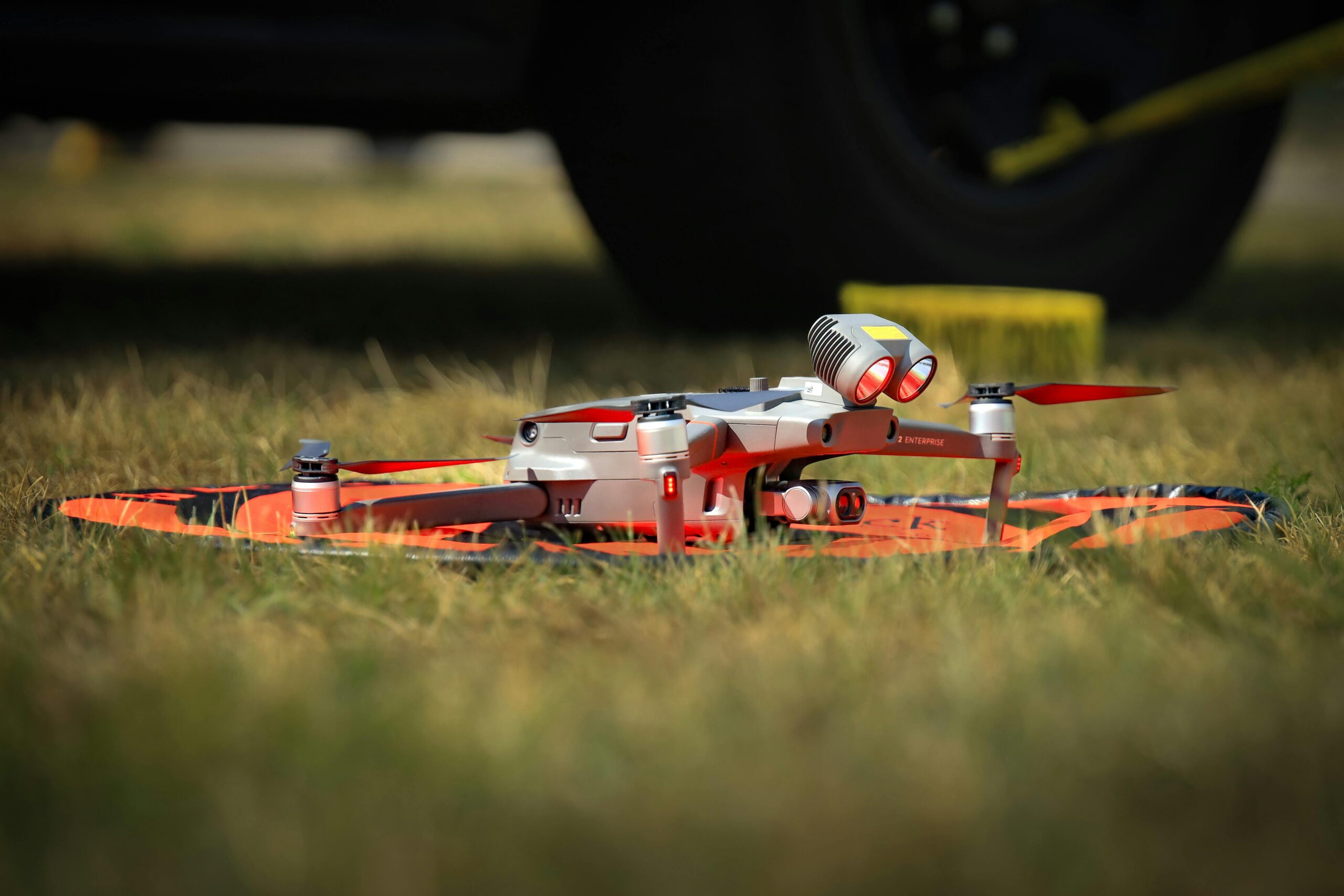
Drone technology enables route reconnaissance without human exposure, capturing current conditions along planned paths. These aerial surveys can verify trail conditions, identify hazards like avalanche debris or washouts, and document weather patterns at various elevations—intelligence that transforms planning accuracy.
Climate change introduces new variables into altitude risk calculations. Glacial retreat, permafrost degradation, and shifting storm patterns alter long-established route characteristics. Successful planning increasingly requires incorporating climate trend data alongside traditional topographical and seasonal factors.
Mastering altitude-aware risk scoring represents more than technical skill development—it embodies a philosophical commitment to informed, responsible adventure. By systematically assessing elevation-related challenges, implementing evidence-based planning frameworks, leveraging appropriate technology, and maintaining adaptability in the field, we transform altitude from abstract hazard into manageable variable. This mastery doesn’t eliminate risk but rather channels it into calculated decisions that balance ambition with safety, enabling us to explore vertical landscapes with confidence grounded in preparation and respect for the powerful forces that shape mountain environments.