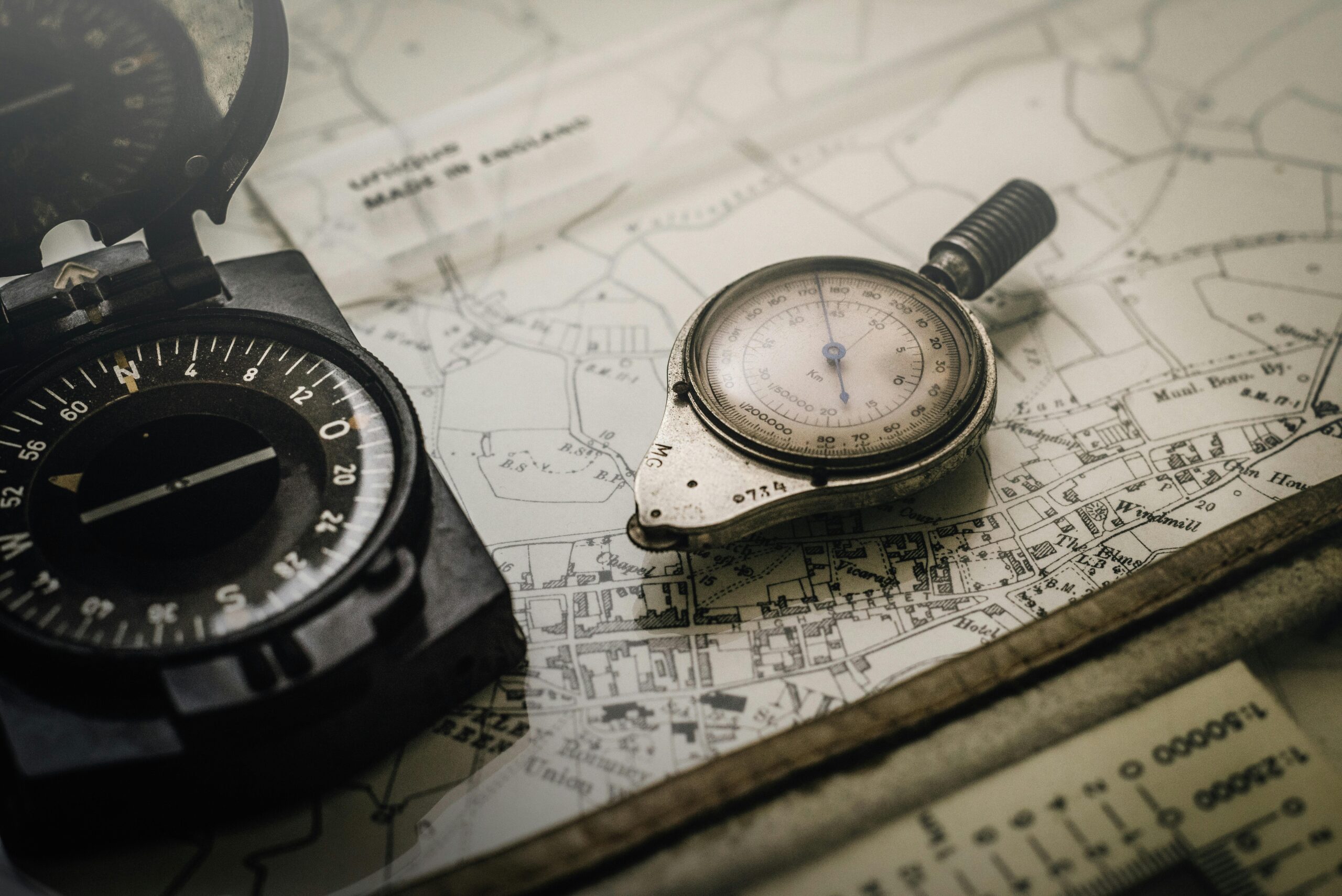
Interactive elevation maps transform how we visualize and understand terrain, offering unprecedented insights into altitude variations across any landscape with just a few clicks. 🗺️

Whether you’re planning a challenging mountain hike, analyzing terrain for construction projects, or simply curious about the topography of your surroundings, interactive elevation maps have become indispensable tools in our digital age. These dynamic platforms combine satellite data, cartographic precision, and user-friendly interfaces to deliver comprehensive altitude information that was once accessible only to professional surveyors and geographers.
The evolution from static paper maps to interactive digital elevation models represents one of the most significant advances in geographic visualization. Today’s technology allows anyone with an internet connection to explore elevation changes across continents, zoom into specific valleys, trace mountain ridges, and understand how altitude shapes the world around us.
🏔️ Understanding Digital Elevation Models and How They Work
Digital Elevation Models (DEMs) form the foundation of interactive elevation mapping. These sophisticated datasets contain millions of elevation points collected through various methods including satellite radar, LiDAR scanning, and aerial photogrammetry. When processed and rendered through interactive platforms, these raw data points transform into visually compelling and informationally rich maps.
The resolution of elevation data varies significantly depending on the source and coverage area. Global datasets might offer resolution between 30 to 90 meters, meaning each data point represents the average elevation of that sized area. High-resolution local surveys can achieve accuracy down to one meter or even centimeters, revealing subtle terrain features invisible to coarser datasets.
Modern interactive maps leverage multiple data sources simultaneously, intelligently blending global coverage with high-resolution local data where available. This layered approach ensures users always see the best available elevation information regardless of which part of the world they’re exploring.
The Technology Behind Real-Time Elevation Visualization
When you interact with an elevation map—panning, zooming, or querying specific points—sophisticated algorithms work behind the scenes to deliver smooth, responsive experiences. These systems must rapidly access massive databases, perform calculations, apply color gradients or relief shading, and render the results in your browser or application within milliseconds.
Cloud computing infrastructure has made this level of performance possible at scale. Rather than downloading entire datasets to your device, modern elevation platforms stream only the necessary data tiles for your current view, dynamically adjusting detail levels based on zoom depth. This approach keeps applications lightweight while providing access to terabytes of global terrain information.
🎯 Practical Applications Across Industries and Activities
Interactive elevation maps serve remarkably diverse purposes across professional fields and recreational activities. Their versatility stems from the fundamental importance of topography in countless human endeavors.
Outdoor Recreation and Adventure Planning
Hikers, trail runners, mountain bikers, and climbers rely heavily on elevation data for route planning. Understanding cumulative elevation gain, identifying steep sections, and recognizing potential viewpoints all contribute to safer, more enjoyable outdoor experiences. Interactive maps allow adventurers to virtually scout trails before committing, examining elevation profiles that reveal what written descriptions cannot convey.
Ski tourers and backcountry enthusiasts use elevation maps combined with slope angle analysis to assess avalanche terrain. The ability to measure slope steepness across potential routes can literally mean the difference between life and death in mountain environments. Interactive tools make these critical assessments more accessible and accurate than traditional map-and-compass methods.
Professional Surveying and Construction
Engineers and architects reference elevation data throughout project lifecycles. Site selection, drainage planning, cut-and-fill calculations, and line-of-sight analyses all depend on accurate topographic information. Interactive platforms accelerate these workflows by allowing professionals to rapidly query elevations, measure distances, and generate cross-sectional profiles.
Large infrastructure projects like highways, railways, and pipelines require extensive elevation analysis to optimize routes that balance construction costs, environmental impact, and operational efficiency. Modern interactive elevation tools integrate with CAD and GIS software, streamlining the transition from initial planning to detailed engineering.
Environmental Science and Conservation
Researchers studying watersheds, erosion patterns, habitat distribution, and climate impacts utilize elevation data as a fundamental variable in their analyses. The ability to visualize and quantify topographic features helps scientists understand ecosystem dynamics and predict how landscapes respond to natural and human-induced changes.
Conservation planners use elevation mapping to identify wildlife corridors, assess habitat connectivity, and prioritize lands for protection. Topography influences species distribution, migration patterns, and ecosystem resilience, making elevation data essential for evidence-based conservation strategies.
📱 Leading Platforms and Tools for Elevation Exploration
Numerous platforms now offer interactive elevation mapping capabilities, each with distinct features, data sources, and target audiences. Understanding the landscape of available tools helps users select the right solution for their specific needs.
Web-Based Elevation Mapping Services
Browser-accessible platforms democratize elevation data by eliminating software installation requirements. Google Earth stands as perhaps the most recognized service, offering global 3D terrain visualization with impressive detail in many regions. Users can tilt perspectives, measure distances, and view elevation profiles along paths with intuitive controls.
CalTopo has become the gold standard among outdoor recreationalists in North America, combining detailed topographic layers with powerful route planning tools. Its elevation profiles update in real-time as you draw routes, displaying cumulative gain, maximum slope angles, and detailed statistics that inform trip planning decisions.
OpenTopoMap provides open-source topographic visualization based on OpenStreetMap data and various elevation datasets. This community-driven approach ensures free access while maintaining impressive global coverage and continuous improvements through contributor efforts.
Mobile Applications Bringing Elevation Data to the Field
Smartphone apps extend elevation mapping beyond desktop planning into real-world navigation and data collection. These applications often include offline map capabilities, allowing users to access elevation information even without cellular connectivity—a crucial feature for backcountry use.
Gaia GPS combines interactive topo maps with GPS tracking, waypoint management, and detailed elevation profiles. The platform synchronizes across devices, enabling seamless workflow from home planning to trail navigation. Its extensive map source options include various elevation visualizations from hillshade to color relief.
PeakVisor uses augmented reality to identify mountain peaks and display their elevations through your phone’s camera. This innovative approach to elevation visualization creates immediate connections between abstract map data and the physical landscape before you, enhancing geographic literacy and appreciation.
ViewRanger (now merged with Outdooractive) provides comprehensive trail information integrated with elevation data, creating rich resources for route discovery and navigation. The platform’s social features allow users to share routes complete with elevation profiles, building communities around outdoor exploration.
🔍 Advanced Features That Enhance Elevation Analysis
Beyond basic visualization, sophisticated elevation platforms offer analytical tools that extract deeper insights from topographic data. These features transform simple maps into powerful analysis environments.
Elevation Profiling and Statistical Analysis
Elevation profiles graph altitude changes along linear routes, typically showing distance on the horizontal axis and elevation on the vertical axis. This visualization immediately reveals the character of a route—gradual climbs, steep pitches, rolling terrain, or sustained descents all create distinctive profile shapes.
Advanced profiling tools calculate derivative statistics including cumulative elevation gain and loss, average gradients, maximum slopes, and elevation extremes. These metrics enable objective comparisons between routes and help set realistic expectations for physical demands.
3D Terrain Visualization and Perspective Views
Three-dimensional rendering transforms abstract elevation data into intuitive landscape representations. By combining elevation information with satellite imagery or map overlays, 3D views create powerful communication tools that convey topographic complexity at a glance.
Adjustable viewing angles and exaggeration factors allow users to emphasize subtle terrain features or create dramatic visualizations of major relief. These capabilities benefit both technical analysis and public engagement, making geographic information accessible to audiences with varying levels of map-reading expertise.
Watershed and Viewshed Analysis
Watershed delineation identifies all areas that drain water to a specific point, information critical for hydrology, water resource management, and environmental impact assessment. Interactive tools can compute watersheds on-demand from any point on the map, instantly revealing drainage patterns.
Viewshed analysis determines which areas are visible from a given location based on terrain, answering questions crucial for telecommunications tower placement, scenic vista identification, and privacy assessment. Interactive implementation of these traditionally complex GIS operations makes sophisticated spatial analysis accessible to non-specialists.
🌍 Global Elevation Data Sources and Coverage Quality
The quality and resolution of interactive elevation maps depend fundamentally on underlying data sources. Understanding these datasets helps users evaluate the reliability of elevation information for their specific applications.
SRTM: The Foundation of Global Coverage
The Shuttle Radar Topography Mission (SRTM), conducted in 2000, collected elevation data for approximately 80% of Earth’s land surface. This NASA mission produced datasets with 30-meter resolution for the United States and 90-meter resolution globally—a remarkable achievement that established the baseline for modern digital elevation models.
SRTM data remains widely used two decades later, though its limitations are well-documented. Vegetation and structures can create false surface elevations since radar measured the first reflective surface rather than bare earth. Despite these constraints, SRTM’s global coverage and public availability make it invaluable for applications where moderate accuracy suffices.
Next-Generation Global Datasets
More recent missions have improved upon SRTM’s foundation. ASTER GDEM combined data from over 2.3 million stereo image pairs to create a 30-meter global elevation model with expanded coverage including high-latitude regions SRTM missed. The ALOS World 3D dataset provides 30-meter global coverage with improved accuracy in many regions.
Ongoing satellite missions continue refining global elevation data. The TanDEM-X mission achieved unprecedented 12-meter global resolution, though access to the highest-quality outputs remains restricted. As these newer datasets integrate into public platforms, interactive elevation maps continue improving in accuracy and detail.
High-Resolution Local Coverage
Many countries have conducted detailed elevation surveys using LiDAR and photogrammetric techniques, producing sub-meter resolution datasets for national or regional coverage. The United States Geological Survey’s 3D Elevation Program aims for nationwide LiDAR coverage, with many areas already available at exceptional resolution.
These high-resolution datasets reveal terrain features impossible to detect in coarser data—subtle drainage patterns, small landforms, archaeological features beneath forest canopy, and precise infrastructure details. As more of this detailed data becomes publicly accessible, interactive platforms incorporate it to provide unprecedented views of local topography.
💡 Tips for Effective Elevation Map Interpretation
Extracting maximum value from interactive elevation maps requires understanding both their capabilities and limitations. Developing interpretation skills transforms these tools from simple references into powerful analytical resources.
Understanding Visualization Techniques
Elevation maps employ various visualization methods, each emphasizing different aspects of terrain. Hypsometric tinting uses color gradients to represent elevation bands, typically progressing from green lowlands through brown hills to white peaks. This intuitive scheme rapidly conveys overall topographic patterns.
Hillshade rendering simulates illumination from a specific angle, creating shadow effects that emphasize terrain texture and relief. This technique excels at revealing subtle topographic features but can obscure information on slopes facing away from the simulated light source. Many platforms allow adjusting illumination angles to examine terrain from multiple perspectives.
Slope angle maps classify terrain by steepness rather than absolute elevation, highlighting areas of gentle, moderate, or extreme gradients. This visualization directly addresses questions about trafficability, erosion potential, and physical exertion requirements that absolute elevation alone cannot answer.
Recognizing Data Limitations and Artifacts
Even the best elevation datasets contain errors and artifacts that can mislead unwary users. Common issues include false elevation readings from vegetation in forested areas, data voids in challenging terrain, edge-matching errors where different data sources meet, and outdated information that doesn’t reflect recent landscape changes.
Suspicious features warrant verification against alternative sources. Perfectly straight elevation boundaries, unnaturally flat areas in mountainous terrain, or extreme local variations may indicate data quality issues rather than actual landscape characteristics. Cross-referencing multiple platforms and datasets helps identify problematic areas.
🚀 The Future of Interactive Elevation Mapping
Continued advances in remote sensing, computing power, and artificial intelligence promise to further revolutionize how we interact with elevation data. Emerging trends point toward increasingly immersive, accurate, and accessible topographic visualization.
Machine learning algorithms are improving data processing pipelines, automatically removing vegetation artifacts from surface models, detecting and correcting errors, and intelligently fusing multiple data sources. These techniques will progressively enhance dataset quality without requiring new collection missions.
Augmented and virtual reality technologies are creating entirely new paradigms for elevation visualization. Rather than viewing maps on flat screens, future users might walk through virtual terrain models at any scale, or overlay elevation information directly onto real-world views through AR glasses.
Increased satellite capabilities and falling launch costs are driving more frequent global elevation updates. Rather than relying on datasets from decades past, future platforms may offer time-series elevation data revealing landscape changes from natural processes and human activities—a transformation from static reference to dynamic monitoring tool.
🎓 Educational Applications and Geographic Literacy
Interactive elevation maps serve powerful educational functions, helping students and lifelong learners develop spatial thinking skills and geographic understanding. The ability to explore any terrain on Earth fosters curiosity while building practical navigation and analysis capabilities.
Geography educators use these platforms to demonstrate concepts from watershed dynamics to orographic precipitation effects. Students can discover how elevation influences climate, vegetation, settlement patterns, and human activities—abstract relationships become concrete through hands-on exploration.
The democratization of elevation data also supports citizen science initiatives. Volunteers can contribute to mapping projects, verify data accuracy in their local areas, and participate in research requiring topographic analysis. This engagement builds both individual skills and collective geographic knowledge.

⚡ Making the Most of Your Elevation Exploration Journey
Interactive elevation maps have fundamentally changed our relationship with topography, transforming what was once specialized knowledge accessible only through expensive equipment and training into information available to anyone with curiosity and an internet connection. These tools empower better outdoor adventures, inform professional decisions, advance scientific understanding, and deepen our appreciation for Earth’s diverse landscapes.
Whether you’re planning your next hiking adventure, conducting environmental research, designing infrastructure, or simply satisfying geographic curiosity, today’s interactive elevation platforms offer unprecedented capabilities. The key to maximizing their value lies in understanding both their remarkable strengths and inherent limitations, choosing appropriate tools for specific applications, and developing interpretation skills through regular use.
As technology continues advancing and datasets improve, the already impressive capabilities of interactive elevation maps will only expand. Now is an excellent time to explore these powerful tools, discover the hidden topographic stories in your favorite landscapes, and develop skills that connect digital information to the physical world around us. The bird’s eye view of altitude changes awaits—your exploration journey starts with a single click. 🌄