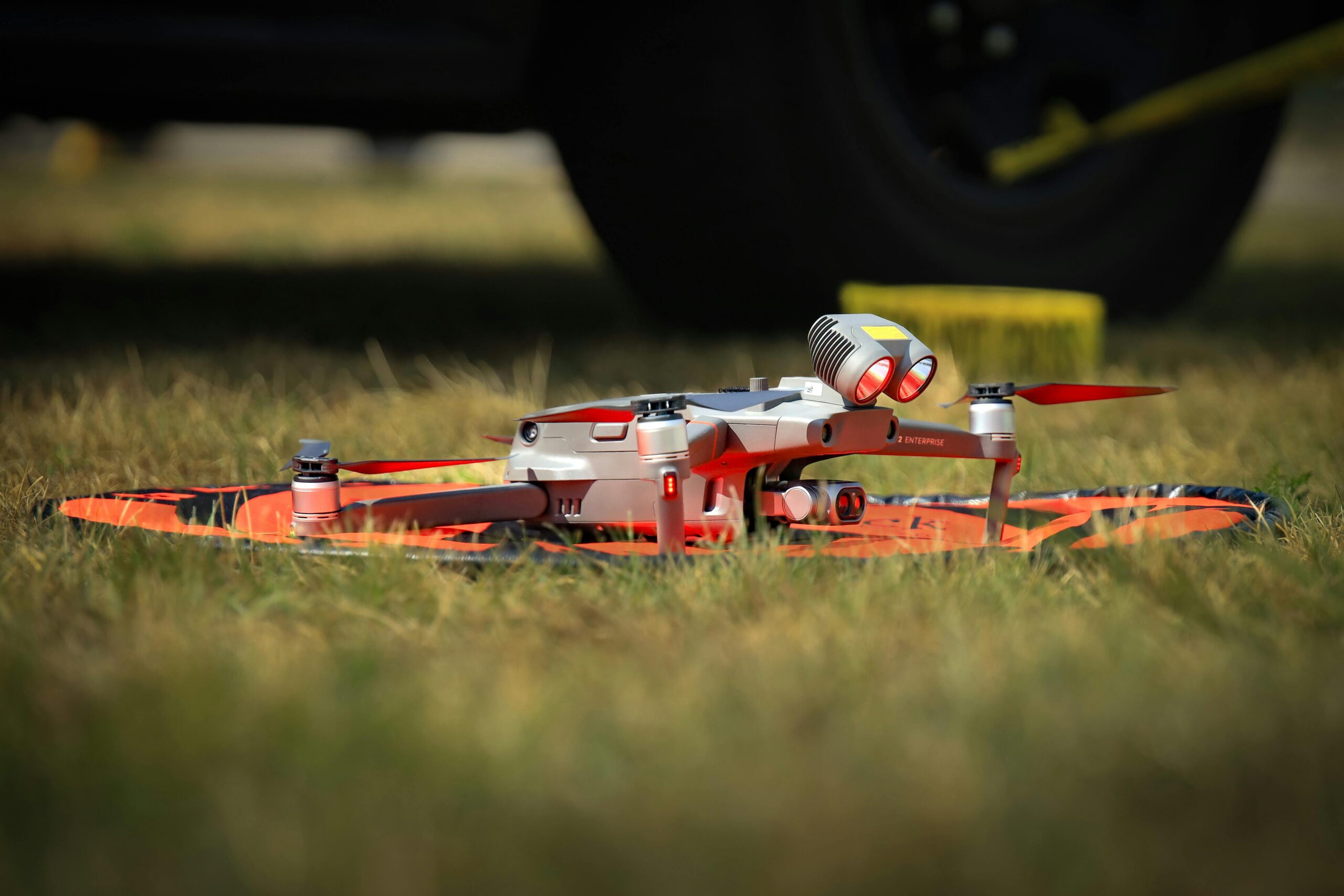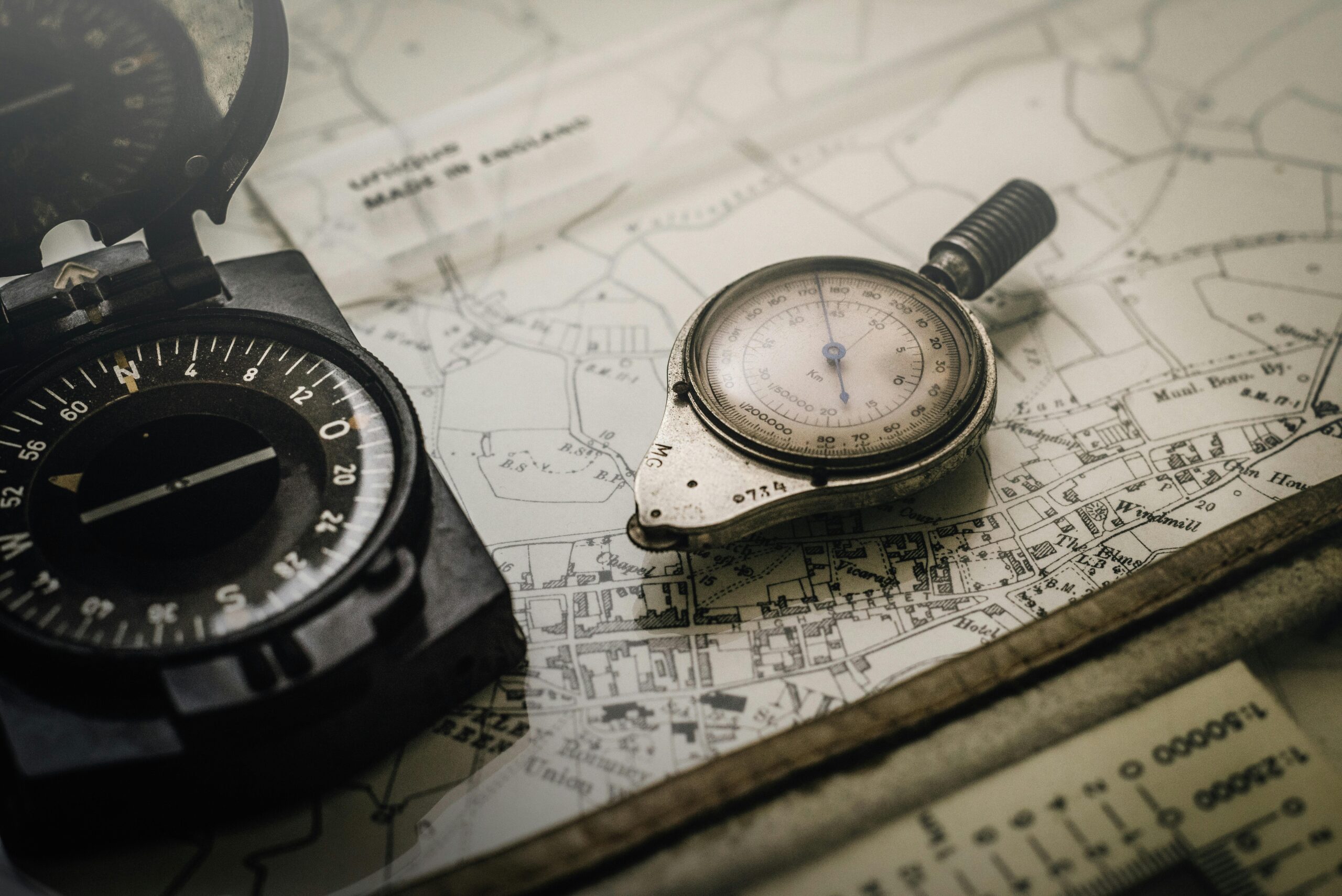
Altitude sensors are critical for aviation, navigation, and countless applications. Yet, when they fail or drift, the consequences can range from minor inconveniences to catastrophic failures.

🎯 Why Altitude Accuracy Matters More Than Ever
In an era where precision technology dominates our daily lives, altitude measurement has become increasingly sophisticated and simultaneously vulnerable to various anomalies. From commercial aviation to drone delivery systems, from smartphones to weather stations, altitude sensors play a foundational role in modern technology ecosystems. Understanding how these sensors can fail, drift, or provide inaccurate readings is not just an academic exercise—it’s a practical necessity for engineers, pilots, outdoor enthusiasts, and technology developers alike.
The consequences of altitude anomalies extend far beyond simple measurement errors. In aviation, a miscalibrated altimeter can lead to controlled flight into terrain (CFIT) accidents. In autonomous vehicles and drones, incorrect altitude readings can result in collisions or mission failures. Even in consumer applications like fitness trackers and smartphones, altitude errors can compromise user experience and data integrity.
Understanding the Technology Behind Altitude Sensing
Altitude measurement relies primarily on three technological approaches, each with distinct strengths and vulnerabilities. Barometric pressure sensors remain the most common method, measuring atmospheric pressure changes that correlate with elevation changes. Global Navigation Satellite Systems (GNSS) like GPS provide altitude data as part of their positioning solution. More recently, radar altimeters and LiDAR systems offer direct distance-to-ground measurements for specific applications.
Barometric altimeters work on a fundamental principle: atmospheric pressure decreases predictably with increasing altitude. These sensors convert pressure measurements into altitude readings using standardized atmospheric models. However, this approach assumes stable weather conditions and requires proper calibration to local pressure references—assumptions that don’t always hold true in real-world environments.
The Physics of Pressure-Based Altitude Measurement
The relationship between pressure and altitude follows an exponential decay pattern described by the barometric formula. At sea level, standard atmospheric pressure measures 1013.25 millibars (or hectopascals). This pressure drops to approximately 540 millibars at 18,000 feet and continues decreasing as altitude increases. Small pressure variations translate directly into altitude reading errors, making calibration essential.
Temperature plays a crucial role in this equation. The standard atmosphere model assumes specific temperature gradients, but actual temperatures can deviate significantly. Cold air is denser than warm air at the same pressure, meaning a barometric altimeter will read higher altitudes in cold conditions and lower altitudes in warm conditions if not properly compensated.
🔍 Common Altitude Anomalies and Their Root Causes
Sensor drift represents one of the most insidious altitude anomalies. Over time, barometric sensors can experience gradual changes in their pressure-to-voltage conversion characteristics. This drift occurs due to mechanical stress, temperature cycling, humidity exposure, and simple aging of components. A sensor that was perfectly calibrated six months ago might now read 50 feet or more off target.
Environmental contamination poses another significant challenge. Dust particles, moisture, oils, and other contaminants can partially obstruct the pressure ports of barometric sensors, creating artificial pressure differentials. In harsh environments—industrial settings, agricultural applications, or off-road vehicles—this contamination accelerates and can create substantial measurement errors.
Weather-Related Altitude Distortions
Weather systems introduce complex altitude measurement challenges that even sophisticated sensors struggle to overcome. When an aircraft flies from a high-pressure system into a low-pressure system without updating the altimeter’s pressure reference, the instrument will read higher than the actual altitude—a potentially dangerous situation. This phenomenon has contributed to numerous accidents throughout aviation history.
Temperature inversions, where warm air sits above cold air, violate the standard atmospheric model assumptions. In these conditions, the actual temperature profile differs substantially from the model, introducing systematic errors into altitude calculations. Mountain wave activity and other atmospheric phenomena can create localized pressure anomalies that temporarily affect altitude readings.
GNSS-Based Altitude: Promises and Pitfalls
GPS and other satellite navigation systems determine altitude through geometric calculations based on distances to multiple satellites. While this approach avoids weather-related errors, GNSS altitude measurements face their own unique challenges. The geometric dilution of precision (GDOP) for vertical measurements is inherently worse than for horizontal position, typically by a factor of two to three.
Satellite geometry significantly impacts altitude accuracy. When satellites are clustered in a limited portion of the sky, vertical position errors increase dramatically. Urban canyons, forests, and mountainous terrain create signal obstruction and multipath effects that degrade GNSS altitude performance. These errors can exceed 100 feet in challenging environments, making raw GNSS altitude unsuitable for safety-critical applications.
Ionospheric and Atmospheric Delays
Radio signals from navigation satellites travel through Earth’s atmosphere, experiencing delays that affect ranging accuracy. The ionosphere, a layer of electrically charged particles 50 to 600 miles above Earth’s surface, causes signal delays that vary with solar activity, time of day, and geographic location. Dual-frequency GNSS receivers can largely correct these errors, but single-frequency receivers remain vulnerable to ionospheric disturbances.
Tropospheric delays, caused by water vapor and other atmospheric components in the lower atmosphere, affect all GNSS signals regardless of frequency. These delays are particularly problematic for altitude determination because they vary with local weather conditions and are difficult to model accurately in real-time.
⚙️ Practical Sensor Maintenance and Calibration Strategies
Regular calibration forms the foundation of maintaining altitude sensor accuracy. For critical applications, establishing a calibration schedule based on manufacturer recommendations, operational intensity, and environmental exposure ensures sensors remain within acceptable tolerances. Many organizations adopt a combination of scheduled calendar-based calibrations and condition-based monitoring to optimize maintenance resources.
Field verification procedures allow operators to check sensor performance between formal calibrations. These procedures typically involve comparing sensor readings against known reference altitudes or recently calibrated reference instruments. Modern digital altimeters often include self-diagnostic features that can detect certain failure modes and drift patterns.
Environmental Protection and Sensor Longevity
Protecting altitude sensors from environmental stressors extends their operational life and maintains accuracy. Proper installation considers moisture ingress paths, temperature extremes, vibration isolation, and contamination exposure. Pressure port protection—using appropriate filters and covers—prevents particle contamination while maintaining pressure equilibrium. Some installations benefit from heated enclosures that prevent condensation and ice formation in harsh climates.
Sealed sensors with Gore-Tex or similar breathable membranes offer excellent protection against moisture while allowing pressure equalization. However, these protective measures require periodic inspection and replacement as the membranes can become clogged or degraded over time, introducing new sources of measurement error.
Advanced Sensor Fusion Techniques for Enhanced Reliability
Modern altitude measurement systems increasingly employ sensor fusion, combining multiple sensor types to achieve accuracy and reliability beyond what any single sensor can provide. Kalman filters and other sophisticated algorithms merge barometric altitude, GNSS altitude, accelerometer data, and sometimes radar altimeter information into a unified altitude solution that leverages each sensor’s strengths while compensating for individual weaknesses.
This multi-sensor approach provides remarkable benefits. When GNSS signals are temporarily lost due to obstruction, the system continues providing accurate altitude using barometric and inertial data. When rapid pressure changes occur due to weather, GNSS data helps identify and compensate for these anomalies. The fusion algorithms can even detect sensor failures by identifying inconsistencies between different measurement sources.
Machine Learning Applications in Anomaly Detection
Emerging artificial intelligence techniques are revolutionizing altitude anomaly detection. Machine learning models trained on historical sensor data can identify subtle patterns indicative of sensor drift, intermittent failures, or environmental anomalies. These systems learn normal sensor behavior patterns and flag deviations that might escape traditional threshold-based monitoring.
Predictive maintenance applications use machine learning to forecast sensor degradation before it reaches critical levels. By analyzing trends in sensor noise characteristics, temperature sensitivity, and cross-correlations with other sensors, these systems can recommend calibration or replacement before accuracy falls below acceptable limits.
📱 Mobile Devices and Consumer Altitude Sensing
Smartphones and wearable devices have democratized altitude measurement, bringing barometric altimeters to billions of users worldwide. These miniaturized MEMS (Micro-Electro-Mechanical Systems) sensors pack remarkable capability into tiny packages, yet they face unique challenges. Devices without dedicated pressure ports may experience artificial pressure changes from protective cases, pockets, or bags creating sealed environments.
Temperature changes from device operation complicate consumer altitude sensing. When a smartphone’s processor works hard, internal temperatures rise, potentially affecting the barometric sensor through direct thermal effects and altered air density within the device enclosure. Sophisticated firmware algorithms attempt to compensate for these effects, but residual errors remain.
Calibration Challenges in Consumer Devices
Consumer devices typically lack manual calibration interfaces, relying instead on automatic calibration using GNSS altitude when available. This approach works reasonably well for casual use but introduces latency—the device may take minutes to achieve accurate altitude readings after power-on or significant altitude changes. Users must understand these limitations when relying on smartphone altimeters for activities like hiking or skiing.
Some applications allow manual calibration entry, enabling users to improve accuracy by entering known elevations from maps or markers. This user-initiated calibration can dramatically improve accuracy but depends on user knowledge and motivation to perform the calibration correctly.
🛩️ Aviation-Grade Altitude Management Systems
Aviation applications demand the highest altitude accuracy standards, employing multiple redundant systems with rigorous testing and certification requirements. Aircraft typically carry three independent altitude measurement systems, allowing failure detection through voting logic. These systems undergo regular maintenance checks, with tolerances measured in tens of feet rather than the hundreds of feet acceptable in many ground-based applications.
The introduction of Automatic Dependent Surveillance-Broadcast (ADS-B) technology has added new dimensions to altitude monitoring. Aircraft continuously broadcast their GNSS-derived position and barometric altitude, allowing ground systems and other aircraft to monitor for potential conflicts. This system-level redundancy creates additional safety layers but also introduces new anomaly detection challenges when different altitude sources disagree.
Regulatory Requirements and Compliance Testing
Aviation authorities mandate specific altitude system performance standards, testing procedures, and maintenance intervals. These regulations address not only sensor accuracy but also system response time, failure modes, and environmental robustness. Compliance testing involves altitude chamber tests simulating various flight profiles, temperature cycling, and vibration testing to ensure sensors maintain accuracy throughout their operational envelope.
Transponder altitude encoders must meet strict accuracy requirements, typically within 125 feet throughout the operational altitude range. More sophisticated systems like Enhanced Ground Proximity Warning Systems (EGPWS) require even tighter tolerances and faster update rates to provide timely terrain conflict warnings.
Emerging Technologies and Future Directions
Quantum sensors represent a potential paradigm shift in altitude measurement. These sensors exploit quantum mechanical effects to achieve measurement precision orders of magnitude better than conventional sensors. While currently limited to laboratory settings, ongoing miniaturization efforts may eventually bring quantum altimeters to practical applications, particularly for scientific and high-precision industrial uses.
Optical altimetry using laser ranging continues advancing, with improved power efficiency and range extending practical applications beyond aviation into ground vehicles and portable devices. These systems measure time-of-flight for laser pulses reflected from terrain, providing direct altitude-above-ground measurements immune to atmospheric pressure variations.
💡 Best Practices for Maintaining Measurement Integrity
Establishing a comprehensive altitude sensor management program requires systematic approaches to calibration, validation, and documentation. Organizations should maintain detailed records of calibration dates, results, and any anomalies discovered. This historical data enables trend analysis that can predict future maintenance needs and identify systemic issues affecting multiple sensors.
Training personnel to recognize altitude anomaly symptoms ensures early detection before errors impact operations. Pilots, equipment operators, and maintenance technicians should understand common failure modes, environmental factors affecting accuracy, and appropriate responses when anomalies are suspected. Regular training updates keep personnel current with evolving technology and emerging best practices.
Implementing cross-check procedures where altitude readings are verified against independent sources—whether other instruments, visual references, or published elevation data—creates additional safety margins. These procedures need not be elaborate; simple periodic comparisons can catch gross errors before they lead to incidents.
🎓 Learning from Past Altitude-Related Incidents
Aviation history provides sobering lessons about altitude measurement failures. The 1996 crash of Birgenair Flight 301 resulted from pitot-static system contamination that produced erroneous airspeed and altitude indications, leading to pilot confusion and loss of control. This incident emphasized the importance of protecting sensor ports and recognizing contamination symptoms.
More recently, drone incidents caused by altitude sensor failures have highlighted challenges in unmanned systems. Without human oversight, autonomous systems must detect and respond to sensor anomalies independently. These incidents drive development of more robust fault detection algorithms and redundant sensor architectures in emerging autonomous platforms.

Strategic Investment in Sensor Quality and Redundancy
While budget constraints tempt organizations toward minimum-cost sensor solutions, altitude measurement represents an area where quality investments pay dividends in reliability and safety. Industrial-grade sensors with superior stability, temperature compensation, and environmental protection deliver lower total cost of ownership through reduced calibration frequency and fewer operational disruptions.
Redundancy strategies should match application criticality. Safety-critical systems justify triple-redundant architectures with dissimilar sensors, while less critical applications may function adequately with dual sensors or single sensors with comprehensive validation procedures. The key is matching redundancy investment to actual risk levels.
Altitude anomalies will continue challenging engineers and operators as sensor applications expand and environments become more demanding. Success requires understanding sensor physics, implementing robust maintenance practices, leveraging advanced fusion techniques, and maintaining healthy skepticism about any single measurement source. By keeping sensors properly calibrated and validated, organizations ensure the precision performance their applications demand while avoiding the risks that altitude anomalies present. The future promises even more sophisticated sensing technologies, but fundamental principles of calibration, validation, and environmental protection will remain cornerstones of altitude measurement integrity.