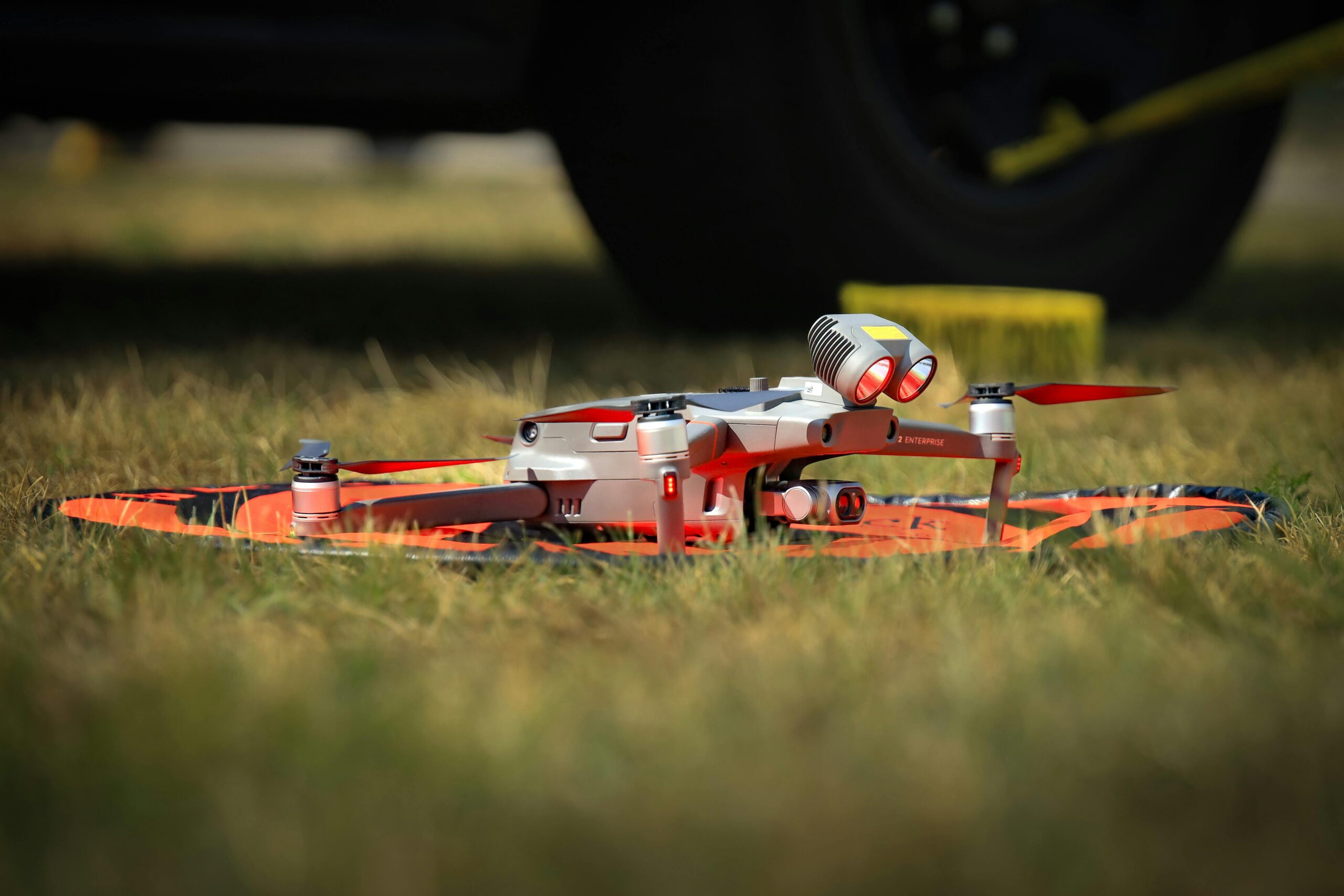
Modern field operations demand instant data accessibility and seamless workflows. Real-time field imaging upload pipelines are revolutionizing how organizations capture, process, and analyze visual data from remote locations.

🚀 The Revolution of Real-time Field Imaging Technology
The landscape of field operations has transformed dramatically over the past decade. Organizations across industries—from construction and agriculture to utilities and environmental monitoring—are discovering that traditional methods of capturing and processing field data simply can’t keep pace with today’s demands. The gap between data capture and actionable insights has become a critical bottleneck that affects decision-making, operational efficiency, and ultimately, competitive advantage.
Real-time field imaging upload pipelines represent a fundamental shift in how we approach data collection. Instead of waiting hours or days for field teams to return with memory cards full of photos, modern systems enable instant transmission of high-quality images directly from the field to centralized processing systems. This immediacy transforms raw visual data into actionable intelligence while field teams are still on-site, enabling immediate course corrections and informed decision-making.
Understanding the Architecture of Real-time Upload Pipelines
A robust real-time imaging pipeline consists of several interconnected components working in harmony. At the foundation lies the capture device—whether smartphones, tablets, specialized cameras, or drones—equipped with cellular or satellite connectivity. These devices serve as the entry point where visual data begins its journey through the pipeline.
The next layer involves intelligent upload management systems that optimize bandwidth usage, prioritize critical images, and ensure data integrity during transmission. These systems employ sophisticated algorithms to compress images without sacrificing essential details, manage network interruptions gracefully, and queue uploads based on predefined priorities.
Cloud-based storage and processing infrastructure forms the backbone of these pipelines. Modern cloud platforms offer virtually unlimited scalability, automatic redundancy, and geographic distribution that ensures data availability regardless of where field operations occur. This infrastructure connects seamlessly with automated processing workflows that can perform tasks like quality validation, metadata extraction, object detection, and even AI-powered analysis.
📊 Quantifiable Benefits That Transform Operations
Organizations implementing real-time field imaging pipelines consistently report dramatic improvements across multiple operational metrics. Time savings represent perhaps the most immediate and tangible benefit. What once required 24-48 hours to complete—from field capture to office review—now happens in minutes or even seconds.
Consider a utility company inspecting transmission towers. Traditional workflows meant field crews would spend days photographing hundreds of structures, return to headquarters, manually offload images, and only then could engineers begin their assessments. With real-time pipelines, engineers review images as inspectors move from tower to tower, identifying issues that require immediate attention while crews are still nearby with equipment deployed.
Cost reduction extends beyond time savings. Reduced travel represents significant savings when teams no longer need to revisit sites because of missing images or unclear documentation. Equipment utilization improves when expensive specialized cameras or drones spend less time idle waiting for data transfer. Personnel productivity multiplies when experts can review hundreds of sites remotely rather than traveling to each location.
🏗️ Industry-Specific Applications Driving Adoption
Construction and engineering sectors have embraced real-time imaging pipelines for progress monitoring and quality assurance. Project managers can virtually walk job sites daily without physical presence, tracking progress against schedules, verifying work quality, and documenting conditions for stakeholders. This visibility reduces disputes, accelerates payment cycles, and enables proactive problem-solving before minor issues escalate into costly delays.
Agricultural operations leverage these systems for precision farming at scale. Crop scouts equipped with smartphones or tablets capture plant health indicators, pest evidence, and soil conditions across vast acreages. Agronomists immediately review these images, making real-time recommendations for targeted interventions that optimize inputs while maximizing yields. The ability to respond within hours rather than weeks can mean the difference between saving a crop and losing it.
Environmental monitoring and conservation efforts benefit enormously from real-time imaging capabilities. Wildlife researchers tracking endangered species, forestry services monitoring wildfire risks, and marine biologists surveying coral reefs all gain exponentially more value when visual data flows immediately into analytical systems. Time-sensitive observations that might indicate emerging threats trigger alerts and responses measured in hours rather than days or weeks.
Technical Considerations for Successful Implementation
Building an effective real-time imaging pipeline requires careful attention to several technical dimensions. Network connectivity stands as the primary consideration—systems must function reliably across varying connection qualities, from high-speed cellular networks in urban areas to intermittent satellite connections in remote regions.
Intelligent solutions employ adaptive upload strategies that adjust to available bandwidth. High-priority images might upload immediately at reduced resolution with full-quality versions following when connectivity improves. Critical metadata accompanies initial uploads, ensuring that even thumbnail previews provide actionable information.
Data security and compliance cannot be afterthoughts in pipeline design. Field imaging often captures sensitive information—proprietary facilities, private property, or personally identifiable details. End-to-end encryption, secure authentication, role-based access controls, and compliance with regulations like GDPR or HIPAA must be built into the architecture from inception.
Storage architecture requires strategic planning around retention policies, retrieval performance, and cost optimization. Not all images hold equal long-term value. Intelligent lifecycle management automatically migrates older images to cost-effective cold storage while maintaining fast access to recent and frequently accessed data.
🔧 Overcoming Common Implementation Challenges
Organizations embarking on real-time imaging pipeline implementation invariably encounter obstacles. User adoption frequently presents the most significant hurdle—field personnel accustomed to traditional workflows may resist new systems perceived as complicated or time-consuming. Success requires intuitive interfaces that minimize training requirements and demonstrable benefits that motivate voluntary adoption.
Cellular connectivity limitations in remote operating areas pose practical challenges. Hybrid approaches work best, combining immediate upload when connections exist with intelligent queuing and automatic retry when they don’t. Some implementations incorporate edge processing capabilities that perform initial analysis locally, uploading only processed results and selected images rather than complete datasets.
Integration with existing enterprise systems—asset management platforms, work order systems, document management solutions—determines whether imaging pipelines become siloed tools or integrated workflow components. Modern architectures emphasize API-first designs that facilitate seamless data exchange across organizational technology ecosystems.
Change management deserves equal attention alongside technical implementation. Clear communication about system benefits, comprehensive but concise training programs, readily available support resources, and celebration of early wins all contribute to successful organizational adoption that sustains beyond initial deployment.
Artificial Intelligence: The Force Multiplier
Artificial intelligence and machine learning transform real-time imaging pipelines from passive conduits into intelligent systems that actively extract meaning from visual data. Computer vision algorithms automatically detect and classify objects, identify anomalies, measure dimensions, and flag conditions requiring human attention.
In infrastructure inspection contexts, AI models trained on thousands of examples can identify crack patterns, corrosion signatures, vegetation encroachment, or structural deformation with accuracy rivaling or exceeding human inspectors. These systems don’t replace human expertise but amplify it—automatically pre-screening large image volumes and directing expert attention to locations most likely requiring intervention.
Natural language processing capabilities increasingly enable systems to generate automated reports from visual evidence. An AI system might analyze inspection images and produce preliminary assessment reports complete with identified issues, severity classifications, and recommended actions—all before human reviewers even access the data.
Continuous learning mechanisms improve system performance over time. As human reviewers correct AI classifications or add annotations, models retrain automatically, becoming progressively more accurate and aligned with organizational standards and priorities.
📱 Mobile Technology Enabling Field Transformation
Smartphone ubiquity has democratized real-time imaging capabilities. Professional-grade cameras in modern smartphones rival dedicated equipment for many applications, while computational photography features enhance image quality in challenging conditions. Combine these capabilities with integrated GPS, accelerometers, and connectivity options, and smartphones become powerful field data collection platforms.
Purpose-built mobile applications optimize the field capture experience. Guided workflows ensure consistent image capture with proper angles, distances, and lighting. Automatic metadata tagging records precise locations, timestamps, equipment settings, and custom attributes without manual data entry. Offline capabilities enable continued operation when connectivity lapses, with automatic synchronization when connections restore.
Ruggedized devices and accessories extend smartphone utility in harsh field environments. Waterproof cases, external battery packs, clip-on macro lenses, and stabilizing gimbals transform consumer devices into professional field tools capable of withstanding demanding conditions.
🌐 Cloud Infrastructure: The Backbone of Scalability
Cloud computing makes real-time imaging pipelines economically feasible at any scale. Organizations no longer need massive upfront infrastructure investments—cloud platforms offer pay-as-you-grow models that align costs with actual usage. Small operations pay minimal amounts while testing and piloting, then scale seamlessly as adoption expands.
Geographic distribution inherent in cloud architectures ensures performance regardless of field operation locations. Content delivery networks cache frequently accessed images near end users, minimizing latency. Regional data centers comply with data sovereignty requirements while maintaining consistent global experiences.
Managed services reduce operational overhead. Cloud providers handle infrastructure maintenance, security patching, capacity planning, and disaster recovery—responsibilities that would require dedicated IT teams for on-premises implementations. Organizations focus resources on deriving value from data rather than maintaining systems that store and process it.
Multi-cloud and hybrid strategies provide flexibility and resilience. Organizations can leverage best-of-breed services from different providers, avoid vendor lock-in, and maintain on-premises processing for latency-sensitive or security-critical workloads while utilizing cloud resources for everything else.
Measuring Success: Metrics That Matter
Quantifying pipeline effectiveness requires tracking meaningful metrics aligned with business objectives. Upload completion rates measure system reliability—what percentage of captured images successfully reach central repositories. High completion rates indicate robust connectivity management and error-handling capabilities.
Time-to-availability metrics track elapsed time from field capture to data accessibility for downstream users. Reducing this interval directly correlates with operational agility and decision-making speed. Organizations should establish baseline measurements before implementation and track improvements over time.
User adoption rates indicate how thoroughly field personnel embrace new systems. Low adoption suggests usability issues, inadequate training, or insufficient perceived value. High voluntary adoption confirms that systems deliver tangible benefits that resonate with actual users.
Downstream impact metrics connect imaging pipelines to business outcomes. These might include reduced rework percentages, faster project completion times, improved safety incident rates, or increased customer satisfaction scores—tangible results that justify continued investment and expansion.
🔮 Future Trends Shaping Next-Generation Pipelines
Edge computing capabilities will increasingly move processing closer to capture points. Rather than uploading complete raw images for cloud processing, edge devices will perform initial analysis locally, uploading only relevant results and selected images. This approach dramatically reduces bandwidth requirements while maintaining or improving response times.
Augmented reality integration will overlay digital information onto field views, guiding personnel through complex procedures, highlighting areas requiring attention, and providing context from previous inspections or design documentation. Real-time pipelines will support bidirectional information flow—not just uploading field data but also streaming relevant information back to field devices.
Autonomous capture systems—particularly drones and robotic platforms—will generate exponentially larger image volumes requiring even more sophisticated pipeline architectures. Automated mission planning, intelligent capture optimization, and advanced AI-driven analysis will become essential rather than optional components.
Blockchain technology may address provenance and authenticity requirements in regulated industries. Cryptographic verification ensuring images haven’t been altered after capture becomes increasingly important in legal, compliance, and quality assurance contexts where visual evidence carries significant weight.
💡 Strategic Recommendations for Implementation Success
Organizations should approach real-time imaging pipeline implementation strategically rather than tactically. Begin with clearly defined use cases offering measurable value and manageable scope. Successful pilots demonstrating concrete benefits build organizational confidence and momentum for broader deployment.
Involve end users—field personnel and data consumers—throughout planning and implementation. Their practical insights identify requirements that purely technical teams might overlook. Early involvement builds buy-in and creates champions who advocate for adoption among peers.
Prioritize interoperability and standards compliance over proprietary lock-in. Open APIs, standard data formats, and modular architectures preserve flexibility as requirements evolve and new technologies emerge. Today’s cutting-edge solution becomes tomorrow’s legacy system faster than most organizations anticipate.
Invest in change management proportionate to technical implementation. The most sophisticated pipeline delivers zero value if people don’t use it effectively. Communication, training, support, and continuous improvement processes deserve resources and attention equal to technology components.

Transforming Data into Organizational Intelligence
Real-time field imaging upload pipelines represent far more than technological upgrades—they fundamentally transform how organizations perceive, respond to, and learn from field operations. The immediacy they enable collapses traditional gaps between observation and action, creating opportunities for continuous improvement and adaptive management previously impossible with delayed data workflows.
Success requires balanced attention to technology, process, and people dimensions. Robust technical architecture provides the foundation, but thoughtful process design and effective change management determine whether systems deliver theoretical potential or fall short through poor adoption and integration.
Organizations investing in these capabilities position themselves at the forefront of their industries, leveraging visual data as strategic assets rather than operational byproducts. The competitive advantages gained through faster decisions, reduced costs, improved quality, and enhanced safety create compounding returns that grow stronger over time.
The question facing organizations today isn’t whether to implement real-time imaging pipelines, but how quickly they can deploy them effectively. Competitors already leveraging these capabilities operate with informational and operational advantages that widen daily. The time to begin transforming field imaging workflows into strategic competitive differentiators is now.