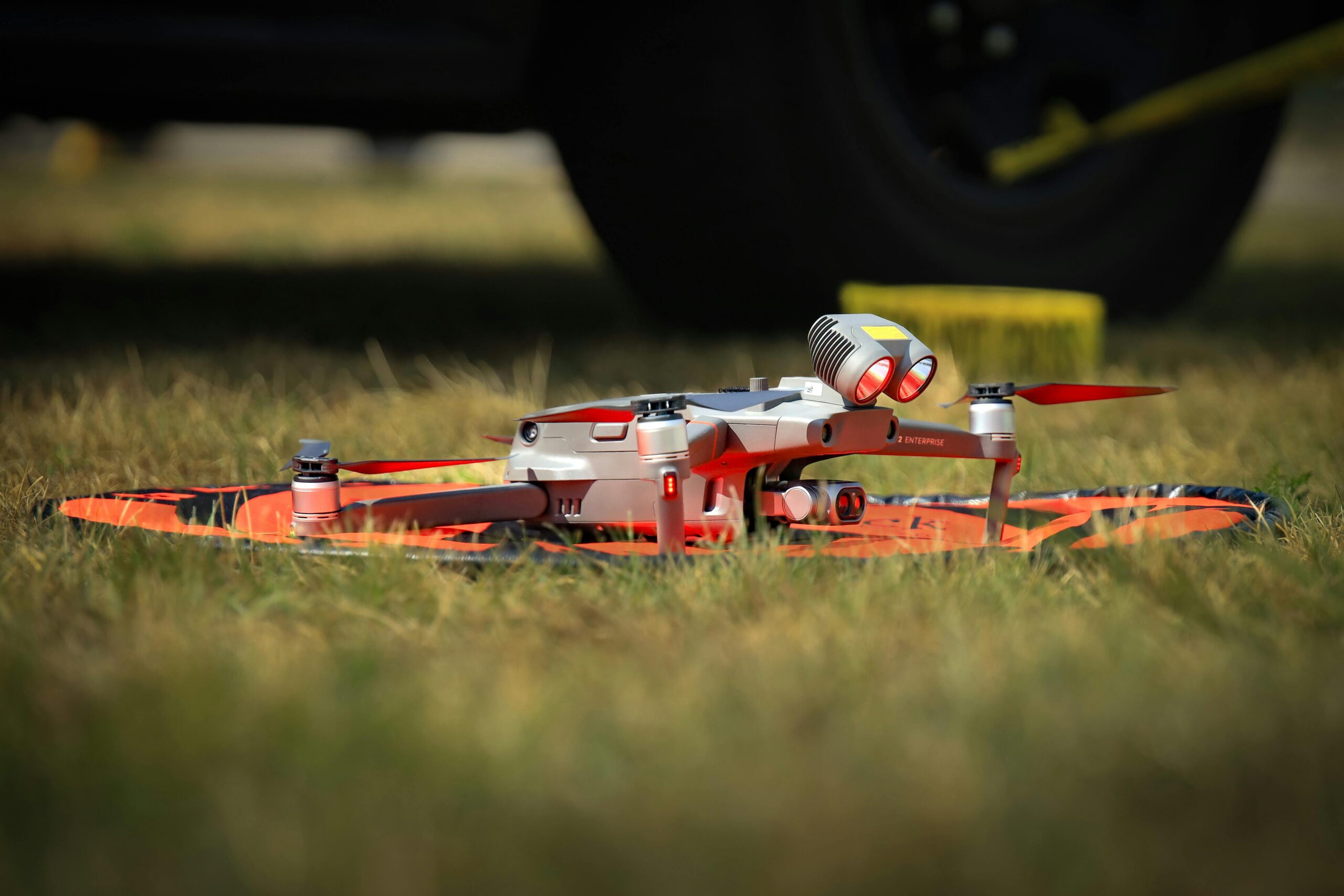
Cloud-synced imaging is reshaping how research teams collaborate, enabling real-time sharing and analysis of visual data across geographical boundaries and transforming traditional case study methodologies.

🌐 The Digital Transformation of Research Collaboration
The landscape of academic and professional research has undergone a dramatic shift in recent years. Gone are the days when research teams needed to gather in physical laboratories or conference rooms to examine imaging data together. Cloud-synced imaging technologies have emerged as powerful catalysts for change, enabling scientists, medical professionals, and researchers across diverse fields to collaborate seamlessly regardless of their physical location.
This technological revolution has particularly impacted case study research, where visual documentation and image analysis form the backbone of evidence-based conclusions. From medical diagnostics to archaeological discoveries, from biological research to engineering assessments, cloud-synced imaging platforms are breaking down barriers that once limited the scope and speed of collaborative research efforts.
The integration of cloud technology with advanced imaging capabilities has created an ecosystem where knowledge flows freely, expertise is accessible on-demand, and research outcomes improve through collective intelligence. This transformation is not merely about convenience—it fundamentally changes how teams approach problem-solving and knowledge creation.
📊 Understanding Cloud-Synced Imaging Technology
Cloud-synced imaging represents the convergence of several technological advances: high-resolution digital imaging, cloud storage infrastructure, real-time synchronization protocols, and collaborative software platforms. These components work together to create systems where images captured by one team member become instantly available to all authorized collaborators, regardless of their location.
The technology operates on a simple yet powerful principle: as soon as an image is captured or uploaded to the system, it is automatically synchronized across all connected devices and platforms. This synchronization happens in real-time or near-real-time, ensuring that everyone working on a case study has access to the most current visual data available.
Key Components of Cloud-Synced Imaging Systems
Modern cloud-synced imaging platforms typically incorporate several essential features that make them invaluable for research collaboration. These include secure cloud storage with robust encryption, multi-device accessibility through web browsers and dedicated applications, version control to track changes and updates, annotation tools for marking specific features of interest, and integration capabilities with analysis software and research databases.
The infrastructure supporting these systems relies on distributed server networks that ensure reliability and minimize latency. Data redundancy protects against loss, while sophisticated compression algorithms maintain image quality while optimizing storage and transmission efficiency.
🔬 Transforming Medical Case Studies and Diagnostics
Perhaps nowhere is the impact of cloud-synced imaging more pronounced than in medical research and clinical diagnostics. Radiologists, pathologists, and specialist physicians can now collaborate on complex cases without geographical constraints. A radiologist in New York can share CT scans with a specialist in London, who can then annotate specific areas of concern and share those annotations with a surgeon in Tokyo—all within minutes.
This capability has proven particularly valuable in rare disease diagnosis, where expertise may be scattered across different institutions and countries. Multi-disciplinary tumor boards, which require input from oncologists, radiologists, surgeons, and pathologists, can now operate efficiently even when team members cannot physically meet.
Telemedicine platforms incorporating cloud-synced imaging have expanded access to specialist consultations in underserved areas. Rural healthcare providers can upload patient imaging studies and receive expert second opinions quickly, improving diagnostic accuracy and patient outcomes.
Real-Time Collaborative Diagnosis
The ability to conduct real-time collaborative sessions while viewing the same imaging data simultaneously has revolutionized consultative medicine. Multiple specialists can examine images together virtually, discussing findings, pointing out features of interest, and reaching consensus diagnoses more efficiently than ever before.
These collaborative sessions reduce diagnostic delays, minimize the need for repeat imaging studies, and leverage collective expertise to improve accuracy. Research has shown that collaborative diagnosis using cloud-synced imaging platforms can significantly reduce diagnostic errors compared to traditional sequential consultation methods.
🏛️ Advancing Archaeological and Cultural Heritage Research
Archaeological case studies have embraced cloud-synced imaging with remarkable enthusiasm. Field teams can now document excavation sites using high-resolution photography, 3D scanning, and drone imagery, instantly making these visual records available to colleagues at research institutions worldwide.
This immediate accessibility transforms how archaeological research proceeds. Senior researchers can provide guidance to field teams in real-time based on the latest imaging data. Specialists in pottery, architecture, or other specific domains can examine finds remotely without waiting for formal reports or physical specimens to arrive at their institutions.
The preservation aspect is equally important. By creating comprehensive cloud-synced digital archives of archaeological sites and artifacts, researchers ensure that detailed visual documentation survives even if physical sites face degradation or destruction due to environmental factors, conflict, or development pressures.
🌿 Enhancing Environmental and Biological Studies
Environmental researchers studying climate change, biodiversity, and ecosystem dynamics rely heavily on visual documentation collected across vast geographical areas and extended time periods. Cloud-synced imaging enables teams to aggregate and analyze this visual data efficiently, identifying patterns and trends that would be difficult to detect in isolated datasets.
Marine biologists studying coral reef health can share underwater imagery from different locations, building comprehensive databases that reveal regional and global patterns. Entomologists tracking insect populations can collaborate on species identification using shared image collections. Wildlife conservationists can monitor endangered species across protected areas through coordinated camera trap networks with cloud-synchronized image storage.
Longitudinal Studies and Temporal Analysis
The ability to maintain synchronized image collections over extended periods has particular value for longitudinal research. Scientists can easily compare images taken months or years apart, tracking changes in ecological systems, urban development, glacier retreat, or other phenomena requiring temporal analysis.
Cloud platforms with robust metadata management allow researchers to organize images by location, date, environmental conditions, and other relevant parameters, making it simple to retrieve specific image sets for comparative analysis.
🏗️ Engineering and Infrastructure Assessment Applications
Engineering case studies involving structural assessments, infrastructure monitoring, and construction documentation have been transformed by cloud-synced imaging technologies. Inspection teams can document infrastructure conditions through photography and thermal imaging, immediately sharing results with structural engineers who can assess problems and recommend interventions without site visits.
This capability proves especially valuable for inspections of bridges, dams, power plants, and other critical infrastructure where specialist engineering expertise may not be locally available. Cloud-synced imaging enables rapid response to potential safety concerns and more efficient allocation of expert resources.
Construction projects benefit from comprehensive visual documentation that all stakeholders can access. Architects, engineers, contractors, and clients can review progress, identify issues, and coordinate responses through shared imaging platforms that maintain complete visual project histories.
📱 Mobile Applications Driving Accessibility
The proliferation of smartphones with high-quality cameras has democratized participation in cloud-synced imaging research collaboration. Mobile applications designed for research imaging have become essential tools, offering capabilities that were once restricted to specialized equipment and desktop workstations.
These applications allow researchers to capture images in the field, annotate them immediately, and upload them to cloud platforms for team access—all from a single portable device. Many platforms offer dedicated mobile apps optimized for various research disciplines, with features tailored to specific imaging and collaboration needs.
The convenience of mobile access means that collaboration can happen anytime, anywhere. Researchers can review case study images during commutes, respond to colleague queries from home, and participate in collaborative sessions without being tethered to office workstations.
🔒 Security and Privacy Considerations in Research Imaging
While the benefits of cloud-synced imaging are substantial, research teams must carefully consider security and privacy implications, particularly when working with sensitive data such as medical images, proprietary industrial information, or culturally significant heritage documentation.
Leading cloud-synced imaging platforms implement multiple security layers including end-to-end encryption, role-based access controls, audit trails tracking all data access and modifications, compliance with regulatory frameworks like HIPAA or GDPR, and secure authentication methods including multi-factor authentication.
Institutions adopting cloud-synced imaging must establish clear governance policies defining who can access what data, how long data should be retained, what constitutes appropriate use, and how to respond to security incidents. These policies ensure that the efficiency benefits of cloud collaboration don’t come at the expense of data protection and privacy.
Balancing Accessibility and Protection
The challenge lies in maintaining appropriate security without creating barriers that hinder legitimate collaboration. Modern platforms address this through granular permission systems that allow data owners to share specific images or image collections with designated collaborators while maintaining strict control over broader access.
Federated authentication systems enable researchers to use their institutional credentials to access shared resources across multiple organizations, simplifying access management while maintaining security standards.
💡 Best Practices for Implementing Cloud-Synced Imaging
Successfully implementing cloud-synced imaging for research collaboration requires thoughtful planning and adherence to best practices. Organizations should begin by clearly defining their collaboration needs and imaging requirements, ensuring the chosen platform aligns with research workflows and institutional capabilities.
Training is essential. Even the most powerful platforms deliver limited value if team members don’t understand how to use them effectively. Comprehensive training programs should cover not just technical operation but also collaborative workflows and security protocols.
Standardization of imaging protocols across the research team ensures consistency and comparability of visual data. This includes agreements on image formats, resolution standards, metadata requirements, and naming conventions that facilitate organization and retrieval.
Establishing Effective Workflows
Research teams should develop clear workflows defining how images move through the collaboration process—from initial capture through review, analysis, annotation, and final archiving. These workflows should specify roles and responsibilities, quality control checkpoints, and communication protocols.
Regular team meetings to review collaboration processes help identify bottlenecks and opportunities for improvement. Successful implementations evolve continuously based on user feedback and changing research needs.
📈 Measuring the Impact on Research Outcomes
Organizations implementing cloud-synced imaging for research collaboration report measurable improvements across multiple dimensions. Time from data collection to collaborative analysis decreases substantially, often from days or weeks to hours. The number of experts who can contribute to case study analysis increases significantly when geographical barriers are removed.
Publication quality improves as researchers can incorporate diverse perspectives and expertise into their case studies. Collaborative platforms maintain comprehensive documentation of the analysis process, supporting reproducibility and transparency in research.
Cost efficiencies emerge from reduced travel requirements, more efficient use of expert time, and elimination of duplicate imaging when multiple parties need access to the same visual data. These savings often substantially exceed the costs of cloud platform subscriptions and implementation.
🚀 Future Directions and Emerging Capabilities
The evolution of cloud-synced imaging continues at a rapid pace, with emerging capabilities promising even greater transformation of research collaboration. Artificial intelligence integration is beginning to provide automated image analysis, feature detection, and pattern recognition that augment human expertise.
Machine learning algorithms trained on large image collections can highlight potentially significant features that human reviewers might overlook, flag images requiring priority attention, and even suggest preliminary diagnoses or classifications for expert verification.
Virtual and augmented reality technologies are being integrated with cloud-synced imaging platforms, enabling immersive collaborative experiences where team members can virtually “gather” in three-dimensional representations of research sites or examination rooms, examining imaging data together in more intuitive and engaging ways.
Integration with Internet of Things Devices
The proliferation of IoT devices with imaging capabilities is creating new opportunities for automated data collection and synchronization. Networks of cameras, sensors, and imaging devices can continuously capture and upload visual data to cloud platforms, providing researchers with unprecedented temporal resolution and coverage.
These automated systems reduce the burden of manual data collection while ensuring comprehensive documentation. Researchers can focus their attention on analysis and interpretation rather than routine image capture and management.
🌟 Transforming Research Culture and Collaboration Norms
Beyond the technical capabilities, cloud-synced imaging is catalyzing broader cultural changes in research communities. The ease of sharing visual data encourages more open, collaborative approaches to research that break down traditional institutional silos.
Early-career researchers gain unprecedented access to expertise and mentorship opportunities when geographical proximity is no longer required for meaningful collaboration. Senior experts can contribute to more projects and cases by providing remote consultations and reviews rather than limiting their involvement to local initiatives.
This democratization of access to expertise and knowledge accelerates the pace of discovery and innovation across research disciplines. Case studies benefit from broader perspectives and more diverse input, leading to richer insights and more robust conclusions.
🎯 Practical Steps for Getting Started
For research teams interested in adopting cloud-synced imaging, the journey begins with assessment of current needs and capabilities. Identify the types of imaging data your research generates, the collaboration challenges you currently face, and the outcomes you hope to achieve through improved systems.
Evaluate available platforms based on your specific requirements. Consider factors such as storage capacity, image quality support, collaboration features, security capabilities, integration with existing tools, mobile accessibility, and cost structure. Many platforms offer trial periods that allow hands-on evaluation before committing.
Start with a pilot project involving a small team and limited scope. This allows you to test workflows, identify issues, and refine processes before broader rollout. Document lessons learned and best practices that emerge from the pilot to inform wider implementation.
Build internal expertise by identifying champions who will lead adoption efforts and support their colleagues. These champions should receive comprehensive training and serve as resources for others learning the system.
💪 Overcoming Implementation Challenges
While the benefits of cloud-synced imaging are substantial, implementation is not without challenges. Resistance to change is common, particularly among researchers comfortable with established workflows. Address this through clear communication about benefits, hands-on training that builds confidence, and recognition of early adopters who demonstrate success.
Technical challenges may arise related to network bandwidth, particularly in field settings or institutions with limited connectivity. Develop strategies for offline image capture with subsequent synchronization when connectivity is restored. Consider compression protocols that balance image quality with transmission efficiency.
Integration with legacy systems and existing research databases requires careful planning. Many modern cloud platforms offer APIs and integration tools that facilitate connection with other systems, but implementation requires technical expertise and testing to ensure smooth operation.

🌈 Realizing the Full Potential of Collaborative Imaging
Cloud-synced imaging represents more than a technological upgrade—it embodies a fundamental reimagining of how research collaboration can work. By removing geographical, temporal, and logistical barriers to shared visual analysis, these platforms enable research teams to operate with unprecedented efficiency and effectiveness.
The transformation extends across disciplines, from medicine to archaeology, from environmental science to engineering. Case studies enriched by diverse expertise and rapid collaborative analysis deliver insights that would be impossible through traditional approaches.
As these technologies continue to evolve, incorporating artificial intelligence, immersive visualization, and ever-more-sophisticated collaboration tools, their impact on research will only deepen. The future of research collaboration is visual, cloud-enabled, and boundlessly connected—and that future is already here for teams embracing these powerful platforms.
Success requires more than just adopting new tools. It demands a commitment to collaborative culture, investment in training and support, attention to security and privacy, and willingness to continuously refine processes based on experience. Organizations that make this commitment position themselves at the forefront of research innovation, equipped to tackle complex challenges through the power of truly collaborative case study methodologies.