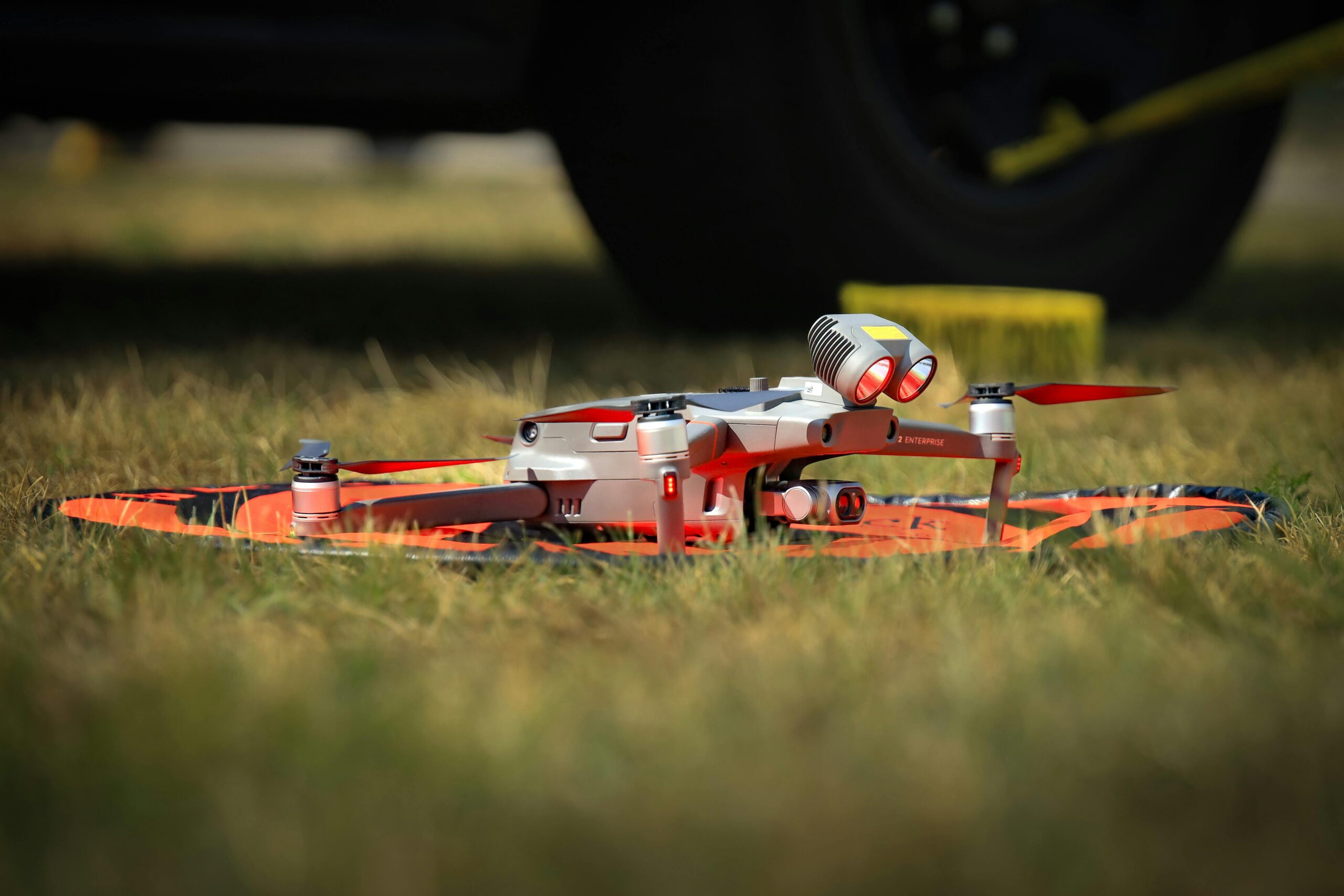
Automatic quality control systems are revolutionizing how industries detect and correct visual defects, ensuring precision and consistency across production workflows.

🎯 The Critical Role of Automated Quality Control in Modern Workflows
In today’s fast-paced digital landscape, manual quality inspection simply cannot keep up with the volume and speed required by modern production environments. Whether you’re working with aerial photography, manufacturing imagery, medical imaging, or document digitization, the margin for error continues to shrink while expectations for perfection continue to rise.
Automatic QC systems leverage advanced algorithms and machine learning to identify common visual defects that can compromise the integrity of your final deliverables. Among the most prevalent issues are blur detection, overlap identification, and geometry corrections—three fundamental aspects that can make or break the quality of your output.
The transition from manual to automated quality control represents more than just a technological upgrade. It signifies a fundamental shift in how organizations approach quality assurance, moving from reactive problem-solving to proactive defect prevention. This transformation delivers measurable improvements in throughput, consistency, and ultimately, customer satisfaction.
Understanding the Three Pillars of Visual Quality Assessment
Blur Detection: Ensuring Sharp, Usable Content
Blur represents one of the most common yet problematic defects in visual content. Whether caused by camera motion, incorrect focus settings, atmospheric conditions, or compression artifacts, blurred images can render entire datasets unusable for their intended purpose.
Automatic blur detection algorithms analyze images at the pixel level, measuring sharpness gradients and edge definition to determine whether an image meets predetermined quality thresholds. These systems can differentiate between intentional artistic blur (like bokeh effects) and problematic defocus or motion blur that degrades content quality.
Modern blur detection systems employ several sophisticated techniques:
- Laplacian variance methods that measure the spread of pixel intensity derivatives
- Frequency domain analysis using Fast Fourier Transforms to identify high-frequency detail loss
- Gradient-based approaches that evaluate edge sharpness across the image
- Machine learning models trained on thousands of sharp and blurred image pairs
- Local region analysis to detect partial blur affecting only portions of an image
The implementation of automatic blur detection saves countless hours that would otherwise be spent manually reviewing images. More importantly, it catches defects that human reviewers might miss during fatigue or when processing large batches.
Overlap Detection: Maintaining Proper Coverage Without Redundancy ✂️
In applications like aerial mapping, satellite imagery, photogrammetry, and document scanning, proper overlap between consecutive images is critical. Too little overlap creates gaps in coverage, while excessive overlap wastes resources and creates processing complications.
Automatic overlap detection systems analyze sequential images to ensure they maintain the optimal overlap percentage—typically between 60-80% for photogrammetry applications. These systems use feature matching algorithms to identify common points between adjacent images and calculate precise overlap metrics.
The benefits of automated overlap analysis extend beyond simple detection:
- Real-time feedback during data capture enables immediate correction
- Reduced need for costly re-flights or re-scans
- Optimization of storage requirements by identifying redundant coverage
- Enhanced processing efficiency in photogrammetric reconstruction
- Improved final product quality through consistent coverage
Feature-based overlap detection utilizes algorithms like SIFT (Scale-Invariant Feature Transform), SURF (Speeded Up Robust Features), or ORB (Oriented FAST and Rotated BRIEF) to identify matching keypoints between images. The density and distribution of these matches provide reliable metrics for overlap assessment.
Geometry Issues: Correcting Distortion and Alignment Problems
Geometric accuracy forms the foundation of reliable visual data. Distortion, misalignment, improper scaling, and perspective errors can all compromise the usability of images for measurement, analysis, or reconstruction purposes.
Automatic geometry quality control identifies several types of issues:
- Lens distortion patterns including barrel, pincushion, and complex distortions
- Perspective and projective transformation errors
- Scale inconsistencies across image sets
- Rotation and orientation misalignments
- Ground control point deviation beyond acceptable tolerances
Advanced automatic QC systems can not only detect these geometric issues but also suggest or automatically apply corrections based on camera calibration data, metadata, and reference measurements. This capability transforms quality control from a simple pass/fail checkpoint into an intelligent correction system.
🚀 Implementation Strategies for Maximum Efficiency Gains
Integration Points Within Your Existing Workflow
The strategic placement of automatic QC checkpoints determines how effectively these systems enhance overall efficiency. Rather than relegating quality control to the end of production, modern workflows integrate checks at multiple stages.
During data capture, real-time QC provides immediate feedback to operators, enabling on-the-spot corrections before leaving the field or capture environment. This front-loading of quality assurance prevents the expensive discovery of defects during later processing stages.
Post-capture but pre-processing represents another critical integration point. Automated systems can rapidly sort large datasets, flagging problematic images for review or reacquisition before significant processing resources are invested in defective data.
Within processing pipelines, continuous QC monitoring ensures that algorithmic processes haven’t introduced new defects. This is particularly important in photogrammetric workflows where processing artifacts can emerge during dense matching or mesh generation.
Establishing Effective Quality Thresholds
The effectiveness of automatic QC systems depends heavily on properly configured quality thresholds. Setting these parameters too strictly results in false positives that slow workflows, while overly lenient thresholds allow defects to pass undetected.
Optimal threshold configuration requires understanding your specific application requirements:
| Application Type | Blur Tolerance | Overlap Requirement | Geometric Accuracy |
|---|---|---|---|
| Aerial Mapping | High (Low blur tolerance) | 60-80% | Sub-pixel precision |
| Industrial Inspection | Very High | Variable | Calibrated measurement |
| Document Digitization | Medium | 10-20% | OCR-compatible |
| Cultural Heritage | High | 80-90% | High accuracy |
Many successful implementations employ adaptive thresholds that adjust based on environmental conditions, equipment characteristics, or specific project requirements. Machine learning approaches can even learn optimal thresholds from historical quality data and user feedback.
The Technology Behind Intelligent Quality Control Systems 🔬
Computer Vision Algorithms Driving Detection Accuracy
Modern automatic QC systems rely on sophisticated computer vision algorithms that can analyze images with superhuman consistency and speed. These algorithms process multiple aspects of image quality simultaneously, providing comprehensive assessment in fractions of a second.
Edge detection algorithms form the backbone of many quality assessment techniques. By identifying and analyzing edges within images, these systems can evaluate sharpness, detect geometric distortions, and identify structural anomalies that indicate quality problems.
Frequency domain analysis offers another powerful approach, particularly for blur detection. By transforming images from spatial to frequency domains using techniques like Fourier transforms, algorithms can identify the loss of high-frequency information that characterizes blurred content.
Machine Learning: Taking Quality Control to the Next Level
While traditional computer vision algorithms provide reliable quality assessment, machine learning approaches are elevating automatic QC to unprecedented levels of sophistication. Deep learning models trained on vast datasets can recognize subtle quality issues that rule-based systems might miss.
Convolutional neural networks (CNNs) excel at learning hierarchical features that distinguish high-quality images from defective ones. These networks can be trained to recognize blur patterns, overlap characteristics, and geometric distortions with remarkable accuracy, often surpassing traditional algorithmic approaches.
The adaptive nature of machine learning systems means they continuously improve with exposure to new data. As these systems process more images and receive feedback on their classifications, their accuracy and reliability steadily increase, creating a self-improving quality control infrastructure.
📊 Measuring the Impact: Quantifiable Benefits of Automated QC
Time Savings and Throughput Improvements
The most immediately apparent benefit of automatic quality control is the dramatic reduction in manual review time. Where human inspectors might process 50-100 images per hour with focused attention, automated systems can evaluate thousands of images in the same timeframe while maintaining consistent accuracy.
This acceleration doesn’t just speed up quality control—it transforms entire production timelines. Projects that previously required days or weeks for quality review can now complete this phase in hours, enabling faster delivery to clients and more responsive iteration cycles.
Beyond raw speed, automated systems eliminate bottlenecks. Manual review often creates workflow chokepoints where large volumes of data await inspection. Automatic QC processes data as quickly as it arrives, maintaining continuous flow through production pipelines.
Cost Reduction Through Early Defect Detection
The economic principle that early defect detection costs less than late-stage correction applies powerfully to visual quality control. Discovering blur, overlap, or geometry issues during or immediately after data capture allows for efficient reacquisition when equipment, personnel, and site access are readily available.
Contrast this with discovering the same defects after processing has begun—or worse, after delivery to clients. Late-stage detection requires expensive remobilization, additional processing costs, project delays, and potentially significant client relationship damage.
Organizations implementing comprehensive automatic QC systems typically report 40-60% reductions in rework costs and similar decreases in project timeline variability. These savings quickly justify the investment in quality control technology.
Consistency and Reliability Improvements 💎
Human quality reviewers, regardless of skill level, introduce variability into assessment processes. Fatigue, distraction, subjective judgment differences, and simple human error all contribute to inconsistent quality standards.
Automated systems apply identical criteria to every image, every time, without variation. This consistency ensures that quality standards remain constant across projects, teams, time periods, and geographical locations. Clients receive predictable, reliable results that meet clearly defined specifications.
The reliability of automated systems also enables more aggressive quality targets. When organizations trust their quality control infrastructure, they can confidently commit to tighter tolerances and more demanding specifications, differentiating their services in competitive markets.
🛠️ Practical Considerations for Successful Implementation
Selecting the Right Tools and Technologies
The market offers numerous automatic QC solutions ranging from specialized standalone applications to integrated modules within comprehensive processing platforms. Selecting appropriate tools requires careful evaluation of your specific requirements, existing infrastructure, and workflow characteristics.
Key selection criteria should include:
- Detection accuracy and false positive rates for your specific image types
- Processing speed and scalability to handle your typical data volumes
- Integration capabilities with existing software and hardware
- Configurability of quality thresholds and detection parameters
- Reporting and visualization features for quality metrics
- Support for your specific file formats and metadata standards
- Licensing models and total cost of ownership
Many organizations benefit from pilot implementations that test candidate systems against representative datasets before committing to full-scale deployment. This approach reveals practical performance characteristics that may not be apparent from specifications alone.
Training and Change Management
Introducing automatic QC systems requires more than technical implementation—it demands organizational change management. Staff accustomed to manual review processes may initially resist automated systems, particularly if they perceive them as threats to job security.
Effective implementation strategies position automatic QC as augmenting rather than replacing human expertise. Automated systems handle high-volume routine assessment, freeing skilled personnel for complex judgment calls, exception handling, and continuous improvement initiatives.
Comprehensive training ensures that operators understand how to configure systems appropriately, interpret quality reports, and respond effectively to flagged issues. This training should cover both the technical operation of QC tools and the underlying quality concepts they implement.
Future Directions: Where Automatic QC Technology Is Heading 🔮
Artificial Intelligence and Predictive Quality Control
The next generation of automatic QC systems will move beyond reactive defect detection toward predictive quality management. By analyzing patterns in quality data alongside environmental conditions, equipment performance, and operator behaviors, AI systems will predict when quality issues are likely to occur and recommend preventive actions.
These predictive capabilities will enable truly proactive quality management, where potential issues are addressed before they manifest in defective data. Imagine systems that automatically adjust camera settings based on changing lighting conditions to maintain optimal sharpness, or that recommend flight path modifications to ensure proper overlap given current wind conditions.
Cloud-Based Processing and Collaborative Quality Management
Cloud computing is democratizing access to sophisticated quality control capabilities. Organizations no longer need to invest in powerful local processing infrastructure—they can leverage scalable cloud resources that automatically adapt to processing demands.
Cloud-based QC platforms also enable collaborative quality management across distributed teams. Multiple stakeholders can access quality metrics in real-time, collaborate on threshold configuration, and maintain consistent standards across projects and locations.
Transforming Quality Control from Burden to Competitive Advantage ⚡
The evolution from manual to automatic quality control represents a fundamental shift in how organizations approach quality assurance. Rather than viewing QC as a necessary but burdensome checkpoint, forward-thinking companies are leveraging automated systems to create genuine competitive advantages.
Superior quality control enables faster project delivery, more predictable outcomes, tighter tolerances, and ultimately higher customer satisfaction. These benefits translate directly into market differentiation, premium pricing opportunities, and improved profitability.
Organizations that invest in comprehensive automatic QC infrastructure position themselves at the forefront of their industries. They can confidently pursue more challenging projects, commit to more aggressive timelines, and guarantee quality levels that competitors cannot match.
The technology for automatic detection of blur, overlap, and geometry issues has matured to the point where implementation risk is minimal while potential benefits are substantial. Whether you’re processing thousands of aerial images, managing industrial inspection workflows, or digitizing archival collections, appropriate automatic QC systems will enhance efficiency, reduce costs, and improve output quality.
As these technologies continue advancing, incorporating more sophisticated AI, expanding detection capabilities, and improving integration with broader workflows, the gap between organizations that embrace automatic QC and those that rely on manual methods will only widen. The question is no longer whether to implement automatic quality control, but how quickly you can realize its transformative benefits.
By identifying and addressing blur, overlap, and geometry issues automatically and reliably, modern QC systems ensure that your results are not just acceptable—they’re flawless. This level of consistent quality forms the foundation for sustainable competitive advantage in increasingly demanding markets.