
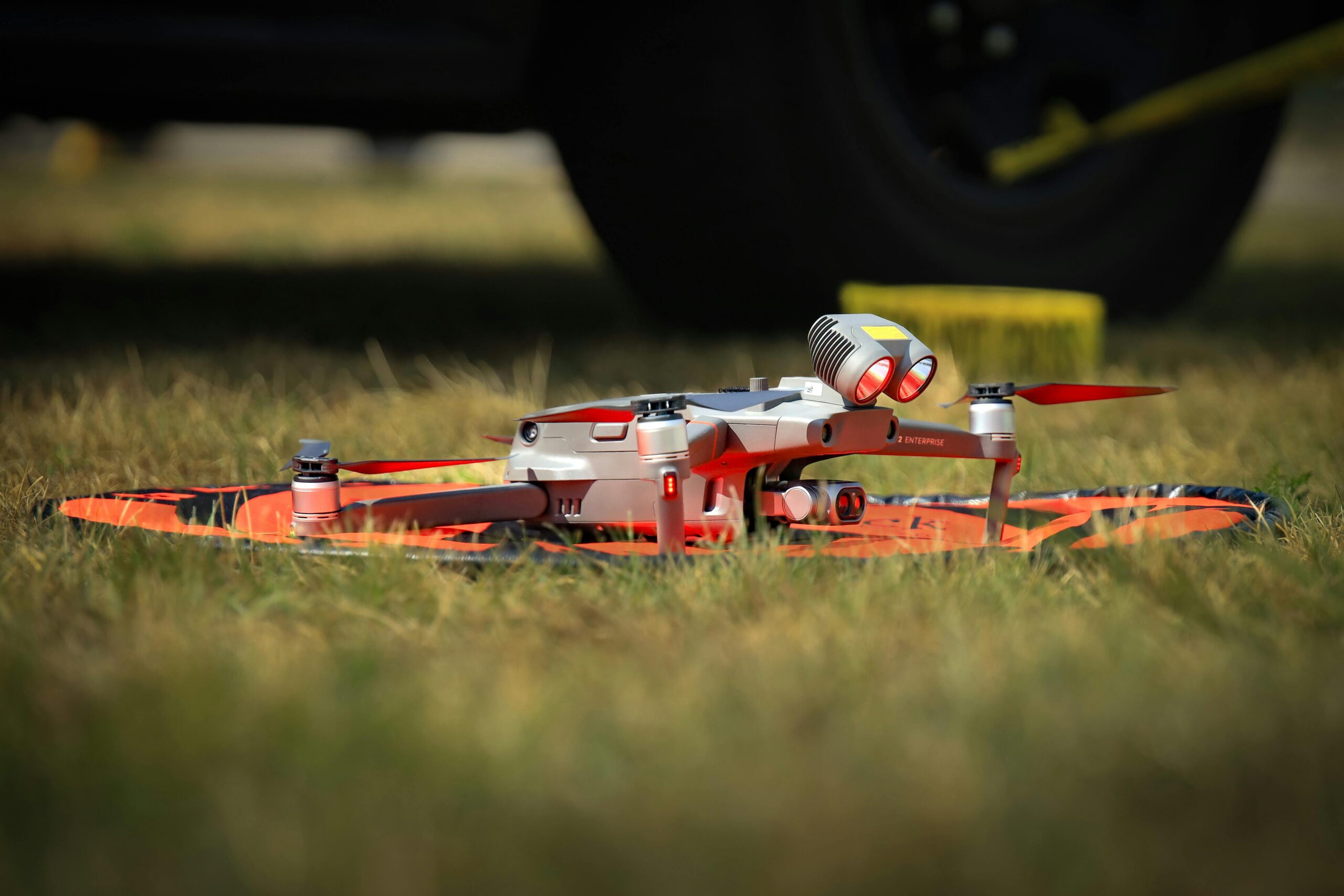
Modern aerial operations demand precision, speed, and autonomy to meet the growing needs of commercial mapping, surveying, and field missions worldwide. 🚁

The integration of autonomous landing and recovery systems represents a transformative shift in how unmanned aerial vehicles (UAVs) conduct their operations. These intelligent systems enable drones to execute complex missions with minimal human intervention, dramatically improving efficiency while reducing operational costs and safety risks. As industries increasingly rely on aerial data collection for critical decision-making, the ability to deploy, operate, and recover aircraft autonomously has become a competitive necessity rather than a luxury feature.
This technological evolution addresses fundamental challenges that have historically limited the scale and effectiveness of aerial mapping campaigns. Traditional manual operations require constant pilot attention, limiting flight duration, mission complexity, and the ability to operate in remote or hazardous environments. Autonomous systems remove these constraints, opening new possibilities for continuous operations and unprecedented data collection capabilities.
🎯 The Strategic Importance of Autonomous Landing Systems
Autonomous landing and recovery capabilities fundamentally transform the operational framework of aerial missions. These systems leverage advanced sensors, computer vision, and machine learning algorithms to identify landing zones, assess environmental conditions, and execute precision touchdowns without human pilot input. The implications extend far beyond simple convenience—they represent a paradigm shift in mission planning and execution.
For mapping operations covering extensive territories, the ability to autonomously land, recharge or refuel, and resume operations creates continuous workflow possibilities. Surveyors no longer need to maintain constant physical presence at launch sites, enabling simultaneous multi-site operations with centralized oversight. This multiplier effect dramatically increases the geographic coverage achievable within limited timeframes and budgets.
Field missions in challenging environments particularly benefit from autonomous recovery systems. Operations in mountainous terrain, dense forests, offshore platforms, or disaster zones involve significant risks for recovery teams. Autonomous systems mitigate these dangers by enabling aircraft to navigate to safe recovery points independently, even when communications are degraded or environmental conditions deteriorate unexpectedly.
Technical Architecture Behind Autonomous Operations
The technological foundation supporting autonomous landing and recovery integrates multiple sophisticated subsystems working in concert. Understanding this architecture illuminates why these systems deliver such transformative operational improvements.
Sensor Fusion and Environmental Perception
Modern autonomous systems employ comprehensive sensor suites that create detailed three-dimensional models of landing environments in real-time. LiDAR systems scan terrain profiles, identifying obstacles and measuring surface characteristics. High-resolution cameras provide visual data for machine learning algorithms trained to recognize suitable landing zones and potential hazards.
Inertial measurement units (IMUs) track aircraft position, orientation, and acceleration with extreme precision. GPS and GNSS receivers provide absolute positioning data, while barometric sensors measure altitude. Radio altimeters deliver accurate height-above-ground measurements during final approach phases. This sensor fusion creates redundant, reliable environmental awareness that functions across diverse conditions.
Advanced implementations incorporate thermal imaging and multispectral sensors that function effectively in low-light conditions, through smoke or dust, and during adverse weather. This extended perception enables operations during expanded time windows and in situations where visual-only systems would fail.
Decision-Making Algorithms and Flight Control
The computational core of autonomous systems processes sensor data through sophisticated algorithms that make real-time operational decisions. Machine learning models trained on thousands of landing scenarios recognize patterns and predict outcomes, selecting optimal approach paths and touchdown points.
Flight control systems translate high-level decisions into precise actuator commands, managing throttle, control surfaces, and propulsion systems with millisecond response times. Adaptive control algorithms compensate for wind gusts, turbulence, and changing aircraft weight as fuel is consumed or payloads are deployed.
These systems implement multiple layers of safety protocols. Geofencing prevents flights outside authorized areas. Battery management algorithms calculate safe return thresholds accounting for weather conditions and reserve requirements. Fault detection systems monitor component health and initiate emergency procedures when anomalies are detected.
🗺️ Transforming Mapping Operations Through Autonomy
Aerial mapping projects face unique operational challenges that autonomous systems address with remarkable effectiveness. Survey-grade data collection requires precise flight paths, consistent camera angles, and systematic coverage patterns. Autonomous operations execute these requirements with machine precision impossible for human pilots to sustain over extended periods.
Large-scale mapping campaigns traditionally required extensive field crews to support aircraft operations at multiple launch sites. Autonomous systems enable skeleton crews to oversee distributed operations remotely, with aircraft automatically launching, executing survey patterns, and recovering without on-site intervention. This operational model reduces personnel costs by 60-70% while simultaneously increasing daily flight hours and data collection volumes.
The consistency of autonomous operations produces superior data quality. Computer-controlled flight maintains exact altitude, speed, and camera orientation throughout missions, ensuring uniform image resolution and overlap percentages. This consistency simplifies post-processing workflows and improves the accuracy of photogrammetric reconstructions and orthomosaic products.
Multi-Mission Adaptability
Autonomous systems excel at adapting between different mission profiles without reconfiguration delays. A single platform can execute corridor mapping along linear infrastructure in the morning, switch to area mapping for agricultural assessment at midday, and conduct inspection flights of vertical structures in the afternoon—all with automated mission planning selecting appropriate flight parameters for each task type.
This flexibility maximizes asset utilization rates. Rather than maintaining specialized aircraft for different mission types, operators deploy versatile autonomous platforms that adapt to varying requirements, improving return on investment and reducing fleet maintenance complexity.
Field Mission Advantages in Challenging Environments
Emergency response operations, environmental monitoring, and infrastructure inspection missions often occur in locations where traditional aircraft operations face significant constraints. Autonomous landing and recovery capabilities prove particularly valuable in these demanding scenarios.
Disaster Response and Emergency Operations
Following natural disasters, traditional landing sites may be destroyed or inaccessible. Autonomous systems identify alternative landing zones using real-time terrain analysis, enabling operations to continue despite infrastructure damage. Aircraft can land on debris-cleared patches, temporary platforms, or undamaged road segments identified through onboard perception systems.
Search and rescue missions benefit from autonomous systems that operate continuously with minimal support infrastructure. Aircraft deploy from forward staging areas, conduct search patterns autonomously, and return to recharge without requiring dedicated pilot crews for each flight cycle. This enables 24-hour operations with reduced personnel requirements, critical when response speed directly impacts survival outcomes.
Remote Environmental Monitoring
Wildlife tracking, deforestation monitoring, and ecosystem health assessment require operations in locations far from established infrastructure. Autonomous systems enable researchers to establish temporary field stations with minimal equipment—essentially just a landing pad, charging station, and communication relay.
Aircraft conduct scheduled monitoring flights autonomously, capturing imagery and sensor data according to scientific protocols. Researchers review data remotely and adjust mission parameters as needed, eliminating the need for constant field presence in remote, potentially hazardous locations. This approach dramatically reduces project costs while enabling more frequent data collection intervals.
⚡ Operational Efficiency Gains and Cost Implications
The business case for autonomous landing and recovery systems centers on measurable efficiency improvements and cost reductions across multiple operational dimensions.
| Operational Aspect | Traditional Operations | Autonomous Systems | Improvement |
|---|---|---|---|
| Daily Flight Hours | 4-6 hours | 8-12 hours | 100-150% increase |
| Crew Requirements | 2-3 personnel per site | 1 personnel per 3-5 sites | 70-85% reduction |
| Mission Abort Rate | 8-12% | 2-4% | 65-75% reduction |
| Data Consistency | Variable | Highly uniform | 30-40% processing time savings |
Beyond direct operational metrics, autonomous systems reduce insurance costs through improved safety records. Automated systems eliminate pilot fatigue errors and reduce accident rates significantly. Insurers recognize this risk reduction through lower premiums, contributing to overall cost advantages.
Asset utilization improvements generate substantial financial benefits. Traditional operations leave aircraft idle for significant portions of potential operating windows due to crew limitations and manual operation constraints. Autonomous systems operate during expanded timeframes, including dawn and dusk periods when lighting conditions challenge human pilots but pose no difficulty for sensor-equipped autonomous platforms.
Integration Challenges and Implementation Strategies
Despite compelling advantages, implementing autonomous landing and recovery systems requires addressing technical, regulatory, and operational challenges. Successful deployments follow structured approaches that manage these complexities systematically.
Regulatory Compliance and Certification
Aviation authorities worldwide are developing frameworks for autonomous operations, but regulations vary significantly between jurisdictions. Operators must navigate complex approval processes that evaluate system safety, reliability, and risk mitigation measures.
Successful regulatory engagement begins early in project planning. Operators who involve authorities during system selection and testing phases build relationships and demonstrate commitment to safety compliance. Documentation packages should comprehensively address failure modes, safety protocols, and pilot training programs—even for autonomous systems that minimize pilot intervention.
Many jurisdictions require staged approval processes, beginning with beyond-visual-line-of-sight (BVLOS) waivers for specific operational areas. Operators accumulate flight hours and safety records under these limited approvals, building the evidence base for expanded operational authorities.
Infrastructure and Support Systems
Autonomous operations require supporting infrastructure that extends beyond the aircraft itself. Ground stations provide charging or refueling, communication relays, and weather monitoring. These installations must withstand environmental conditions at deployment sites while maintaining reliable functionality.
Communication systems represent critical infrastructure elements. Autonomous aircraft require continuous or periodic connectivity for mission updates, data transmission, and emergency commands. Operators implement redundant communication paths using cellular networks, satellite links, and direct radio connections to ensure reliable command and control.
Maintenance and support logistics adapt to autonomous operational models. Predictive maintenance systems monitor component health and schedule preventive interventions before failures occur. Distributed operations benefit from modular designs enabling field-replaceable units that minimize downtime.
🔮 Future Developments and Emerging Capabilities
The trajectory of autonomous landing and recovery technology points toward increasingly sophisticated capabilities that will further transform aerial operations over the coming years.
Swarm coordination represents a frontier area where multiple autonomous aircraft collaborate on complex missions. Individual platforms share sensor data, coordinate coverage patterns, and optimize collective efficiency. One aircraft might identify a high-priority target that others prioritize, or platforms might autonomously redistribute coverage when one unit experiences technical issues.
Artificial intelligence advances enable autonomous systems to handle increasingly complex decision-making scenarios. Future systems will autonomously adjust mission parameters based on real-time data quality assessment, weather pattern predictions, and operational priority changes. Aircraft might opportunistically collect data on secondary targets when primary mission objectives are completed ahead of schedule.
Enhanced Environmental Adaptation
Next-generation systems will operate effectively in increasingly challenging conditions. Advanced weather prediction integration will enable autonomous aircraft to navigate around developing storm systems, selecting optimal routing that balances mission efficiency with safety margins. All-weather operation capabilities will expand operational windows even in conditions currently considered unsuitable for aerial missions.
Landing zone selection algorithms will become more sophisticated, evaluating surface stability, obstacle clearance, and recovery logistics to select optimal touchdown points from broader candidate areas. Machine learning systems trained on extensive operational datasets will predict landing success probability with greater accuracy, reducing abort rates and improving mission reliability.
Building Competitive Advantage Through Autonomous Capabilities
Organizations implementing autonomous landing and recovery systems gain competitive advantages that extend across multiple business dimensions. The ability to execute more missions with fewer resources directly improves profitability and enables more competitive pricing for commercial services.
Data quality improvements create differentiation in markets where accuracy and consistency determine product value. Clients increasingly recognize the superior results achievable through autonomous operations, driving preference for providers offering these capabilities.
Operational flexibility enables rapid response to emerging opportunities. When urgent missions arise, autonomous systems deploy and execute without the scheduling constraints inherent in manually-operated alternatives. This responsiveness builds client relationships and opens revenue opportunities competitors cannot match.
The reputation benefits of technological leadership attract premium clients and high-value projects. Organizations known for innovative autonomous capabilities position themselves as industry leaders, commanding market premiums and first-mover advantages as autonomous operations become industry standard expectations.
🚀 Strategic Implementation Roadmap
Organizations planning autonomous system adoption benefit from structured implementation approaches that manage complexity while building operational capability progressively.
- Pilot Program Phase: Begin with limited autonomous capabilities in controlled environments. Test systems thoroughly, develop operational procedures, and build organizational expertise before full-scale deployment.
- Regulatory Engagement: Initiate authority consultations early. Submit documentation packages and demonstration proposals that build toward expanded operational approvals.
- Personnel Development: Train existing teams on autonomous system operation, maintenance, and troubleshooting. Autonomous operations shift skill requirements rather than eliminating personnel needs.
- Infrastructure Development: Deploy supporting systems systematically. Establish reliable communication networks, develop maintenance facilities, and implement data processing workflows optimized for autonomous operation outputs.
- Continuous Improvement: Capture operational data and analyze performance metrics. Refine procedures based on lessons learned and incorporate technology updates as they become available.
The transformation toward autonomous aerial operations represents one of the most significant advances in commercial aviation technology over the past decade. Organizations embracing these capabilities position themselves advantageously as industry expectations evolve and autonomous operations transition from competitive differentiator to operational requirement.
Efficient aerial operations powered by autonomous landing and recovery systems deliver measurable improvements in mission execution, cost efficiency, and data quality. As technology continues advancing and regulatory frameworks mature, the operational advantages will only increase, making early adoption a strategic imperative for forward-thinking organizations. The future of aerial mapping and field missions is autonomous, and that future is arriving faster than most industry observers anticipated. Those who adapt quickly will define industry standards for the coming decade.