Navigating the skies demands precision, skill, and the right tools. Altitude-based waypoints and checkpoints transform how pilots approach flight planning and execution, offering unparalleled accuracy in three-dimensional navigation.

🛫 The Evolution of Aviation Navigation Through Altitude Intelligence
Modern aviation has transcended traditional two-dimensional navigation methods. While longitude and latitude have served pilots for decades, the integration of altitude data into waypoint systems represents a quantum leap in navigational precision. This three-dimensional approach to flight planning addresses the complex realities of airspace management, terrain avoidance, and optimal flight path selection.
The concept of altitude-based navigation isn’t merely about knowing your height above sea level. It encompasses understanding pressure altitude, density altitude, true altitude, and how these measurements interact with your planned route. Each waypoint becomes a precise point in three-dimensional space, creating a virtual corridor through the sky that accounts for terrain, weather, and airspace restrictions.
Understanding the Fundamentals of Altitude-Based Waypoints
Altitude-based waypoints serve as invisible markers in the sky that include specific height parameters alongside geographic coordinates. Unlike traditional waypoints that simply mark a position on a map, these advanced reference points tell you exactly where you should be vertically as well as horizontally.
The primary advantage lies in predictability and safety. When you program a waypoint with altitude information, your flight management system can calculate the optimal climb or descent profile needed to reach that point. This eliminates guesswork and reduces workload during critical phases of flight.
Types of Altitude References in Modern Navigation
Pressure altitude forms the backbone of most altitude-based navigation systems. This measurement, referenced to standard atmospheric pressure at sea level, ensures that all aircraft are using the same vertical reference system. When controllers assign altitudes, they’re speaking in terms of pressure altitude, making it the universal language of vertical navigation.
True altitude represents your actual height above mean sea level and becomes critical when considering terrain clearance. The difference between pressure altitude and true altitude depends on current atmospheric conditions, and sophisticated navigation systems account for these variations automatically.
Density altitude, while not typically used for waypoint designation, affects aircraft performance dramatically. Understanding how density altitude impacts your ability to reach specific waypoints helps in planning realistic flight profiles, especially in mountainous terrain or hot weather conditions.
⛰️ Terrain Awareness and Altitude Checkpoint Integration
One of the most compelling reasons to adopt altitude-based navigation involves terrain clearance. Traditional navigation methods require pilots to constantly cross-reference their position with terrain elevation data. Altitude checkpoints automate this safety consideration by building vertical clearance requirements directly into the flight plan.
Mountain flying exemplifies the critical importance of altitude-aware navigation. Each checkpoint along a mountain route should include a minimum safe altitude that provides adequate clearance over the highest obstacles. By programming these altitudes into your navigation system, you create a built-in safety buffer that alerts you if you’re not maintaining appropriate clearance.
Creating Effective Altitude Checkpoints for Different Terrain Types
Flat terrain navigation might seem straightforward, but even in relatively level areas, altitude checkpoints serve important functions. They help maintain optimal cruise altitudes for fuel efficiency and ensure compliance with airspace altitude requirements. In these environments, checkpoints often focus on altitude transitions for approach and departure procedures.
Rolling terrain presents moderate challenges where altitude checkpoints prevent complacency. These checkpoints should account for gradually rising ground elevations and ensure you’re climbing at a rate that maintains safe clearance throughout your route. The key is anticipating terrain changes rather than reacting to them.
Mountainous terrain demands the most sophisticated use of altitude-based waypoints. Each segment requires careful analysis of minimum en route altitudes, emergency landing options, and performance limitations. Checkpoints in mountainous areas should include not just minimum safe altitudes but also decision points where you commit to crossing a ridge or diverting to an alternate route.
Technology Enablers for Precision Altitude Navigation
Modern GPS technology revolutionized altitude-based navigation by providing accurate position information in three dimensions. Early GPS systems excelled at horizontal positioning but had limited vertical accuracy. Contemporary systems deliver vertical precision within meters, making altitude-based waypoints practical and reliable.
Glass cockpit displays present altitude waypoint information intuitively through vertical situation displays and synthetic vision systems. These interfaces show your current altitude, target altitude at upcoming waypoints, and the vertical path needed to reach them. The visual representation transforms abstract numbers into easily understood guidance.
Mobile Aviation Applications and Altitude Planning
The proliferation of tablet-based aviation applications has democratized access to sophisticated navigation tools. Apps like ForeFlight, Garmin Pilot, and FltPlan Go enable pilots to create detailed flight plans with altitude-specific waypoints using intuitive touch interfaces.
These applications calculate required climb and descent rates automatically, display terrain clearance along your route, and provide alerts when your planned altitudes conflict with airspace restrictions. The ability to visualize your three-dimensional flight path before departure significantly enhances situational awareness and safety.
🎯 Strategic Waypoint Placement for Optimal Flight Profiles
Effective use of altitude-based waypoints requires strategic thinking about where to place them and what altitudes to assign. Random checkpoint placement creates unnecessary workload and defeats the purpose of systematic navigation. Instead, waypoints should mark significant points in your flight profile.
Initial climb checkpoints establish your departure from the traffic pattern and transition to en route altitude. Placing a waypoint at your intended cruise altitude helps verify that you’ve reached optimal height for the journey ahead. This checkpoint serves as a confirmation point where you transition from climb mode to cruise management.
En route checkpoints maintain situational awareness during cruise flight. In areas with varying terrain elevation, these waypoints should reflect minimum safe altitudes that change with ground elevation. For longer flights, regular checkpoints help track progress and provide decision points for fuel management and weather assessment.
Descent Planning Through Altitude Waypoints
The descent phase benefits enormously from altitude-based waypoints. Rather than guessing when to begin descent, you can work backward from your destination to calculate precisely where to start down. Modern flight planning tools make this calculation automatic, but understanding the principle enhances your ability to adjust plans as circumstances change.
A typical descent profile includes a top-of-descent waypoint where you reduce power and begin descending at a specific rate. Intermediate checkpoints during descent verify you’re on profile, especially important in areas with complex airspace or terrain considerations. These checkpoints prevent the common mistake of starting down too late and arriving at pattern altitude too high or too fast.
Regulatory Compliance and Altitude-Based Navigation
Aviation regulations increasingly assume the use of altitude-aware navigation systems. Minimum en route altitudes, minimum vectoring altitudes, and minimum safe altitudes all represent regulatory frameworks built around altitude-based navigation concepts. Understanding how to incorporate these requirements into your waypoint planning ensures compliance while enhancing safety.
Airspace classifications come with specific altitude requirements that your waypoint system should reflect. Class B airspace, for example, has precisely defined altitude floors and ceilings that vary with distance from the primary airport. Programming waypoints with altitudes that respect these boundaries prevents inadvertent violations.
International Considerations for Altitude Navigation
Different countries and regions may use different altitude measurement standards or have unique regulatory requirements. Some areas use meters instead of feet for altitude measurement, requiring careful attention during flight planning. Building these conversions into your waypoint system prevents confusion during flight.
Transition altitudes vary internationally, representing the point where you switch from local altimeter settings to standard pressure settings. Waypoints placed at or near transition altitudes should include notes about this procedure to ensure proper altitude reference during the transition.
📊 Performance Planning Integration with Altitude Waypoints
Aircraft performance characteristics directly impact your ability to reach altitude waypoints as planned. Weight, temperature, wind, and aircraft condition all affect climb and descent rates. Effective altitude-based navigation accounts for these performance factors during the planning phase.
Calculating time, fuel, and distance to climb becomes straightforward when using altitude waypoints. You know exactly what altitude you need at each point, allowing precise performance calculations. This precision enables better fuel planning and more accurate arrival time estimates.
Weather Integration with Vertical Navigation
Weather conditions profoundly affect altitude-based flight planning. Icing altitudes, turbulence layers, and cloud formations all have vertical dimensions that intersect with your waypoint altitudes. Sophisticated flight planning integrates weather data with altitude waypoints to identify potential conflicts and suggest altitude adjustments.
Winds aloft vary with altitude, sometimes dramatically. By planning specific altitudes at each waypoint, you can select heights that take advantage of favorable winds or avoid strong headwinds. This optimization can save significant time and fuel on longer flights.
🚁 Specialized Applications of Altitude Checkpoints
Helicopter operations particularly benefit from altitude-based waypoints due to typically lower operating altitudes and greater terrain interaction. Helicopter pilots often fly routes that follow terrain contours, requiring frequent altitude adjustments. Checkpoints that specify altitude at each turning point or landmark enhance safety and efficiency.
Search and rescue operations use altitude checkpoints to coordinate multiple aircraft operating in the same area. Each aircraft receives assigned altitudes at specific waypoints, creating vertical separation while allowing coordinated search patterns. This systematic approach prevents conflicts and ensures thorough area coverage.
Training Applications and Skill Development
Flight training benefits from altitude-based waypoints by providing concrete performance standards. Instead of vague instructions to “climb to cruise altitude,” student pilots receive specific waypoints with target altitudes and times. This precision builds better habits and develops systematic thinking about navigation.
Instrument training particularly emphasizes altitude-based navigation since instrument procedures are entirely built around specific altitudes at specific points. Students learn to think three-dimensionally from the beginning, developing skills that transfer directly to real-world instrument flying.
Advanced Techniques for Expert-Level Navigation
Vertical navigation modes in advanced autopilots take altitude waypoints to their logical conclusion. These systems fly the aircraft along a precise vertical path, maintaining optimal climb and descent rates to arrive at each waypoint at exactly the planned altitude. Understanding how to program and monitor these systems represents an advanced skill set.
Energy management becomes more precise with altitude-based navigation. By knowing exactly what altitude you need at upcoming waypoints, you can make informed decisions about speed versus altitude trade-offs. This skill proves particularly valuable during descent and approach planning.
Emergency Procedures and Altitude Awareness
Engine failures or other emergencies require immediate altitude awareness. Having altitude checkpoints programmed in your system provides instant reference for terrain clearance during emergency descents. These waypoints guide you toward suitable emergency landing areas while maintaining adequate clearance.
Lost procedures benefit from altitude checkpoints by providing a systematic framework for reestablishing position awareness. If you become uncertain of your location, climbing to a known safe altitude while assessing your situation prevents compounding the problem with a terrain conflict.
🌟 Building Your Personal Altitude Navigation System
Developing proficiency with altitude-based waypoints requires practice and systematic approach. Start by adding altitude information to familiar routes, then gradually incorporate more sophisticated techniques as your comfort level grows. The goal is making altitude-aware navigation second nature rather than an additional task.
Create standardized waypoint naming conventions that include altitude information. For example, a waypoint might be named “LAKE_5500” indicating it’s over a lake at 5,500 feet. This naming system provides instant altitude awareness just from reading the waypoint identifier.
Regular review of completed flights helps refine your altitude waypoint strategy. Did you reach each checkpoint at the planned altitude? Were the altitudes optimal for conditions? This analysis drives continuous improvement in your navigation planning skills.
The Future of Three-Dimensional Navigation
Emerging technologies promise even more sophisticated altitude-based navigation capabilities. Integration with real-time weather data will enable automatic altitude optimization during flight. Artificial intelligence systems may suggest altitude adjustments based on changing conditions, air traffic, and efficiency considerations.
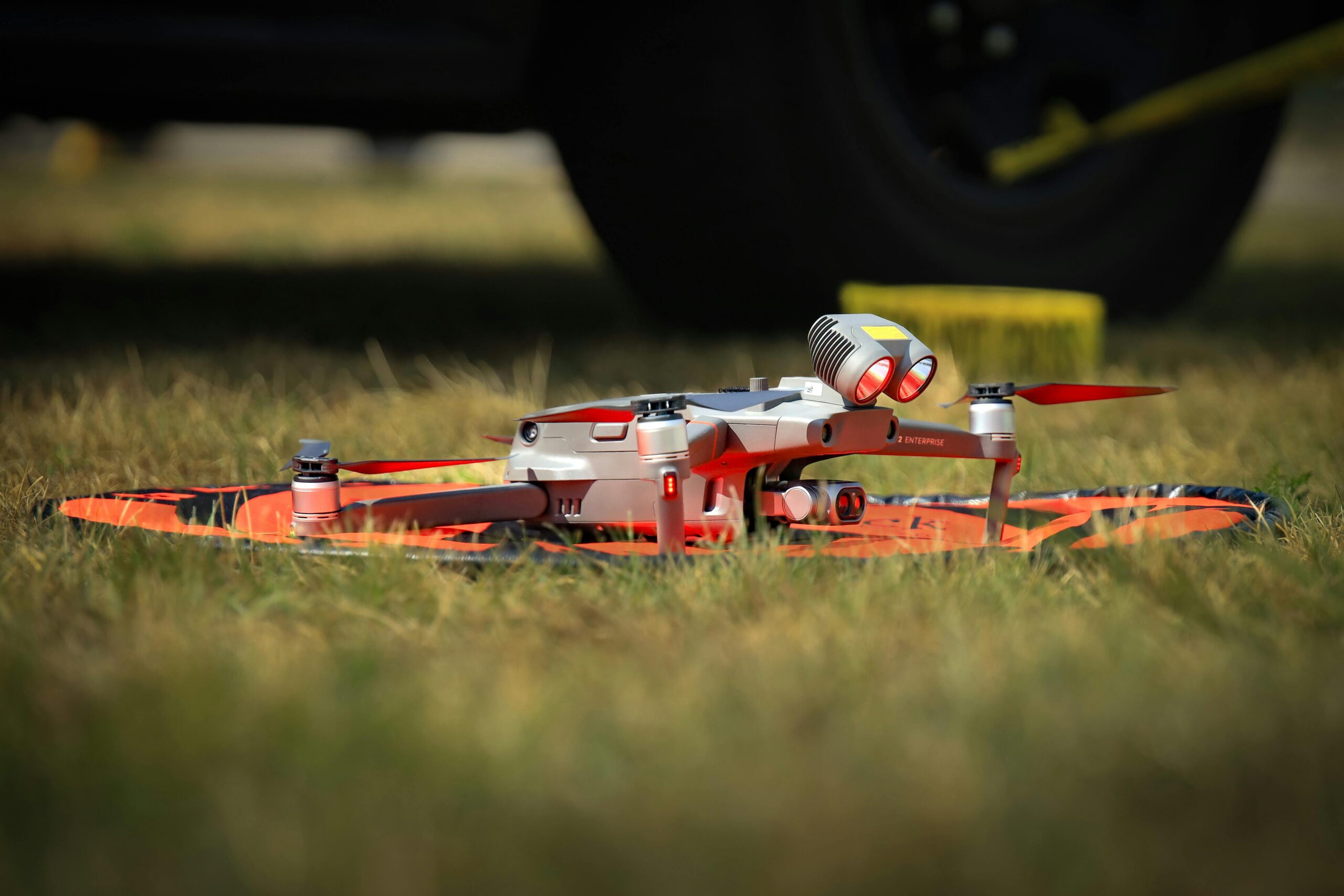
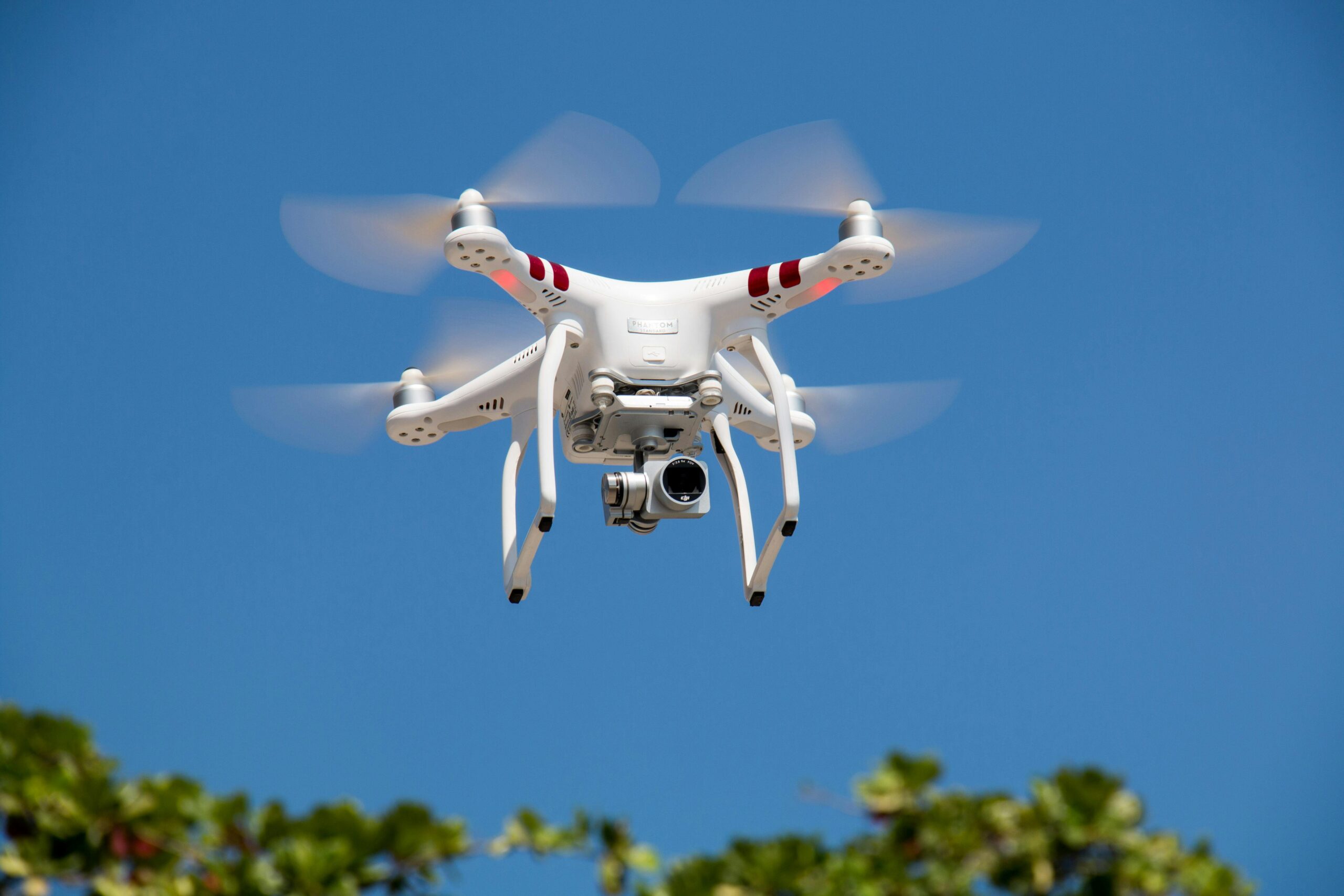
Urban air mobility and drone operations will rely heavily on precise altitude-based navigation to separate traffic in increasingly crowded airspace. The techniques you master today position you at the forefront of aviation’s evolution toward more systematic three-dimensional navigation.
Satellite-based augmentation systems continue improving vertical accuracy, making precision approaches and en route navigation safer and more reliable. As these systems mature, altitude-based waypoints will become even more integral to everyday flight operations.
Mastering altitude-based waypoints and checkpoints elevates your navigation skills from basic to expert level. This systematic approach to three-dimensional flight planning enhances safety, improves efficiency, and provides a framework for handling the increasingly complex demands of modern airspace. Whether you fly for recreation or profession, integrating altitude awareness into every waypoint transforms how you think about navigation and positions you for success in aviation’s future.