Altitude navigation is evolving rapidly, and standardized metadata is the key to unlocking unprecedented efficiency in route planning and execution across mountainous terrains. ⛰️

The Foundation of Modern Altitude Navigation
In the world of aviation, mountaineering, and drone operations, altitude routes represent critical pathways through three-dimensional space. Unlike traditional two-dimensional navigation, altitude routing requires precise vertical measurements, atmospheric considerations, and terrain awareness. The challenge lies not just in collecting this data, but in organizing it in ways that different systems, operators, and platforms can universally understand and utilize.
Standardized metadata serves as the common language that bridges disparate systems, enabling seamless communication between GPS devices, flight management systems, topographic databases, and navigation applications. Without this standardization, every platform operates in isolation, creating dangerous information silos that compromise safety and efficiency.
The aviation industry learned this lesson decades ago when the lack of standardized altitude references contributed to numerous incidents. Today, as recreational activities, commercial operations, and autonomous systems increasingly occupy vertical airspace, the need for robust metadata standards has never been more critical.
Understanding Altitude Metadata Components 📊
Effective altitude metadata encompasses multiple layers of information that work together to create comprehensive route intelligence. The primary components include elevation data, atmospheric pressure readings, temperature gradients, and terrain classification markers.
Elevation data forms the backbone of altitude metadata, typically measured in feet or meters above mean sea level (MSL). However, raw elevation numbers tell only part of the story. Context matters enormously—a 10,000-foot elevation means something entirely different in the Himalayas versus the Rocky Mountains due to varying atmospheric conditions, accessibility, and terrain characteristics.
Atmospheric pressure metadata adds critical context for aviation applications. Pilots need to understand how barometric pressure affects altimeter readings, and standardized pressure altitude data enables accurate vertical positioning regardless of local weather conditions. This information becomes particularly vital when coordinating multiple aircraft or drones in shared airspace.
Temperature metadata influences everything from aircraft performance to mountaineering safety. Cold temperatures reduce air density, affecting lift generation and engine performance. Standardized temperature profiles along altitude routes allow operators to make informed decisions about equipment, timing, and feasibility.
Breaking Down Vertical Complexity with Digital Standards
The transition from paper maps to digital elevation models (DEMs) revolutionized altitude route planning, but it also introduced new challenges. Different organizations created their own elevation datasets using varied measurement techniques, coordinate systems, and accuracy standards. The result was a fragmented landscape where GPS applications might show different elevations for the same location.
International standardization efforts have gradually addressed these inconsistencies. The World Geodetic System 1984 (WGS84) provides a common reference frame for global positioning, while standards like GeoTIFF enable consistent elevation data exchange. These technical standards ensure that an altitude route created in one system can be accurately interpreted by another.
Metadata schemas like ISO 19115 for geographic information have extended standardization beyond raw coordinates to include quality indicators, data lineage, and accuracy assessments. When route planners access altitude data, they can now evaluate its reliability, understand its sources, and make informed decisions about whether it meets their operational requirements.
Practical Applications Across Industries ✈️
Commercial aviation relies heavily on standardized altitude routing through established airways and approach procedures. Every instrument approach procedure includes precisely defined altitude constraints at specific waypoints, encoded in standardized formats that aircraft navigation systems automatically interpret. This standardization enables safe operations in instrument meteorological conditions where visual references are unavailable.
The recreational aviation sector, including paragliding, hang gliding, and light sport aircraft, benefits enormously from standardized altitude metadata in navigation apps. Pilots can access terrain elevation data, identify thermal lift patterns at specific altitudes, and plan routes that maintain safe clearance from obstacles. Apps like XCTrack and SkyDemon leverage standardized elevation databases to provide real-time terrain awareness.
Mountaineering and trekking applications have transformed how adventurers plan high-altitude expeditions. Detailed altitude profiles with standardized metadata help climbers estimate travel times, identify acclimatization points, and assess technical difficulty. Apps providing this functionality rely on standardized elevation data combined with trail metadata to deliver accurate route intelligence.
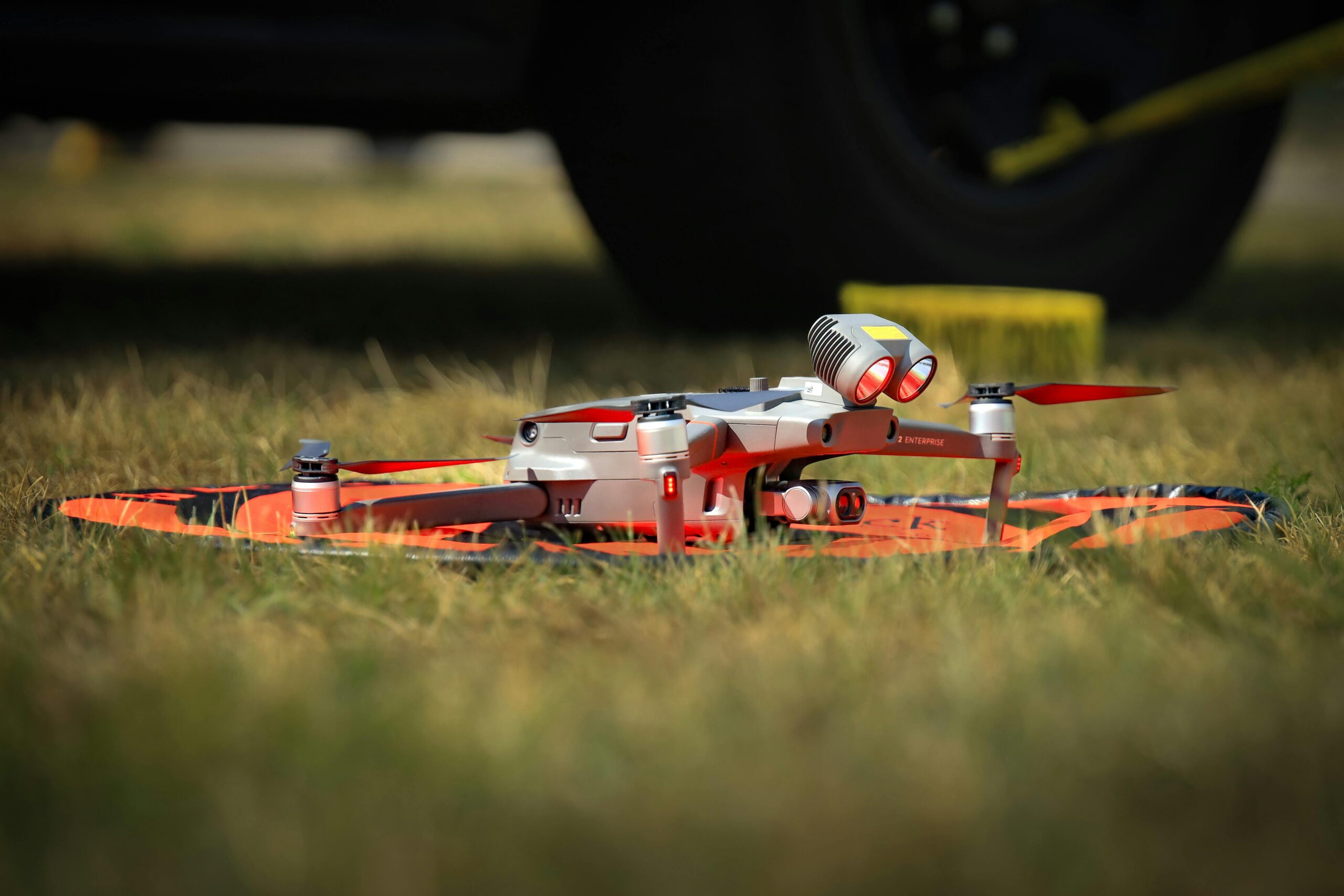
The drone industry faces unique altitude routing challenges as unmanned aircraft systems (UAS) proliferate. Standardized altitude metadata enables automated flight planning that respects airspace restrictions, maintains safe separation from terrain, and optimizes battery efficiency by selecting appropriate flight altitudes. Regulatory frameworks increasingly require drones to utilize standardized altitude data for compliance verification.
Overcoming Historical Data Fragmentation
Legacy altitude data exists in countless formats, each reflecting the technology and priorities of its era. Topographic maps used contour lines with varying intervals. Early GPS devices stored waypoints in proprietary formats. Flight planning systems developed custom databases optimized for specific aircraft types.
This historical fragmentation created substantial barriers to cross-platform compatibility. A hiking route created in one application couldn’t easily transfer to another. Flight plans required manual re-entry when switching between planning tools. Rescue operations struggled to interpret location data from different sources during time-critical emergencies.
Modern middleware solutions and conversion utilities have emerged to bridge these legacy systems. Open standards like GPX (GPS Exchange Format) and KML (Keyhole Markup Language) provide common formats for altitude route exchange. These formats include extensible metadata fields that accommodate specialized information while maintaining core compatibility.
The transition to standardized formats doesn’t happen overnight. Organizations with substantial investments in legacy systems face difficult decisions about migration costs versus ongoing inefficiency. However, the safety and operational benefits of standardization increasingly justify the investment, particularly as interoperability becomes essential rather than optional.
Enhancing Safety Through Consistent Altitude Intelligence 🛡️
Aviation safety statistics consistently demonstrate that controlled flight into terrain (CFIT) remains a significant hazard. Standardized altitude metadata directly addresses this risk by enabling robust terrain awareness and warning systems (TAWS). When aircraft systems can reliably interpret elevation data and compare it against flight path predictions, they can alert pilots to dangerous situations before they become critical.
Search and rescue operations benefit tremendously from standardized altitude routing. When hikers, climbers, or pilots go missing, rescue coordinators need to quickly understand the terrain, identify likely routes, and deploy resources efficiently. Standardized metadata enables rapid analysis of elevation profiles, identification of dangerous areas, and coordination between multiple rescue assets operating from different platforms.
Weather services increasingly integrate altitude metadata into their forecasting products. Mountain weather varies dramatically with elevation, and standardized altitude zones enable meteorologists to create precise forecasts for specific elevation bands. Climbers can access forecasts for base camp, high camp, and summit separately, enabling better decision-making about weather windows.
Technical Implementation Strategies
Organizations implementing standardized altitude metadata face several key technical decisions. The first involves selecting appropriate coordinate reference systems. WGS84 provides global coverage and GPS compatibility, but local coordinate systems sometimes offer better accuracy for regional applications. The solution often involves maintaining data in multiple reference systems with documented transformation parameters.
Resolution requirements vary dramatically by application. Commercial aviation may require elevation accuracy within tens of feet, while general topographic awareness might accept hundreds of feet of uncertainty. Standardized metadata should include explicit accuracy statements so users understand data limitations and can determine fitness for purpose.
Database architecture significantly impacts performance when handling altitude data. Point clouds from LiDAR surveys can contain billions of elevation measurements. Efficient indexing, progressive detail schemes, and tile-based approaches enable applications to access relevant altitude data quickly without loading entire datasets into memory.
API design plays a crucial role in making standardized altitude metadata accessible. RESTful APIs following OpenAPI specifications enable developers to integrate elevation services into applications without deep knowledge of underlying data structures. Standardized query parameters for bounding boxes, resolution requirements, and coordinate systems facilitate consistent implementation across platforms.
The Role of Crowdsourced Altitude Data 🌍
Professional surveying provides high-accuracy elevation data, but coverage gaps remain, particularly in remote regions. Crowdsourced altitude data from GPS devices, smartphones, and activity trackers fills many of these gaps. When millions of users traverse trails and routes while recording GPS tracks, their collective data creates detailed altitude profiles.
Quality control presents the primary challenge with crowdsourced data. GPS altitude measurements suffer from greater error than horizontal positioning, particularly in challenging terrain with limited satellite visibility. Statistical techniques that combine multiple tracks of the same route can filter noise and produce reliable elevation profiles exceeding the quality of individual measurements.
Standardized metadata becomes particularly important for crowdsourced data to include provenance information. Users need to understand whether an altitude profile comes from professional survey data, crowd-sourced GPS tracks, or photogrammetric analysis. This transparency enables appropriate trust calibration—understanding when data suffices for planning a casual hike versus a technical climbing route.
Future Trajectories in Altitude Routing Technology
Artificial intelligence and machine learning are beginning to revolutionize altitude route optimization. Rather than simply following predefined paths, intelligent systems can analyze terrain, weather, aircraft performance, and mission objectives to generate optimized altitude profiles dynamically. These systems rely on standardized metadata to train models and make real-time decisions.
Autonomous vehicle operations—whether drones, air taxis, or delivery aircraft—will depend entirely on standardized altitude routing. Human pilots can adapt to data inconsistencies, but autonomous systems require reliable, machine-readable altitude intelligence. The push toward urban air mobility is accelerating standardization efforts as regulators recognize that automated altitude management is essential for safe, high-density operations.
Real-time altitude data is becoming increasingly accessible through satellite-based monitoring and distributed sensor networks. Snow accumulation changes mountain elevations seasonally. Landslides alter terrain profiles. Volcanic activity creates new topography. Standardized metadata frameworks must accommodate dynamic updates while maintaining historical context and change tracking.
Augmented reality applications are emerging that overlay altitude information onto real-world views. Hikers can point smartphones at distant peaks and see elevation data, route options, and difficulty ratings. Pilots can use heads-up displays showing terrain profiles along flight paths. These applications depend on precise alignment between visual information and standardized altitude databases.
Building Collaborative Altitude Ecosystems
No single organization can create comprehensive global altitude metadata alone. Effective standardization requires collaboration between mapping agencies, aviation authorities, technology companies, and user communities. Open data initiatives have accelerated this collaboration by establishing shared repositories where organizations contribute elevation data under compatible licenses.
The OpenTopography initiative exemplifies successful collaboration, providing researchers and developers access to high-resolution topographic data from various sources. By standardizing formats and metadata, OpenTopography enables users to work with diverse datasets without wrestling with incompatible structures.
Industry consortia like the Open Geospatial Consortium (OGC) develop technical standards through consensus-based processes involving stakeholders from different sectors. This collaborative approach ensures standards address real-world needs rather than theoretical ideals, increasing adoption rates and practical utility.
Educational initiatives play a vital role in scaling standardized altitude routing. As more developers, operators, and planners understand metadata standards and their benefits, implementation quality improves and innovative applications emerge. Certification programs and best practice documentation help organizations implement standards correctly from the start, avoiding costly rework later.
Measuring Success in Standardization Efforts 📈
Quantifying the benefits of standardized altitude metadata helps justify ongoing investment and guides improvement priorities. Key performance indicators include interoperability rates—what percentage of altitude route exchanges succeed without manual intervention or data loss. As standardization matures, this metric should approach 100% for common use cases.
Safety metrics provide compelling evidence of standardization value. Reductions in terrain-related incidents, faster emergency response times, and decreased navigation errors all correlate with improved altitude data standardization. While isolating standardization impacts from other safety improvements can be challenging, trend analysis over time reveals clear benefits.
Economic indicators demonstrate standardization’s practical value. Reduced development costs when applications can rely on consistent data formats, decreased operational expenses from streamlined workflows, and expanded market access through cross-platform compatibility all contribute to measurable financial returns. Organizations that embrace standardization early often gain competitive advantages through superior interoperability.

Empowering the Next Generation of Altitude Navigation
The future of altitude routing extends beyond traditional aviation and mountaineering into emerging domains we’re only beginning to imagine. Personal aerial mobility devices, recreational rocket launches, stratospheric balloons, and other innovative applications will all require robust altitude metadata frameworks.
Standardization enables innovation by providing stable foundations upon which developers can build confidently. When metadata formats remain consistent, developers can focus on creating value through novel applications rather than solving basic data compatibility problems. This acceleration of innovation benefits entire industries and ultimately improves experiences for end users.
The journey toward comprehensive altitude metadata standardization continues, but the path forward is clear. Through collaborative development of open standards, consistent implementation across platforms, and commitment to data quality and transparency, we’re unlocking new possibilities in altitude navigation. Whether guiding aircraft safely through mountain passes, helping hikers reach summits, or enabling autonomous drones to navigate complex airspace, standardized altitude metadata provides the essential foundation for vertical mobility in the modern world. 🚀