Accurate elevation data forms the backbone of countless outdoor activities, scientific research, and engineering projects. Mastering clean data collection ensures reliability and professional results.

📊 Why Clean Elevation Data Matters More Than You Think
Elevation data accuracy directly impacts decision-making across multiple disciplines. Whether you’re planning hiking routes, conducting geological surveys, designing drainage systems, or mapping terrain for construction projects, the quality of your elevation recordings can mean the difference between success and costly errors.
Poor elevation data leads to cascading problems. Inaccurate measurements create flawed topographic maps, miscalculated volumes in earthwork projects, and unreliable hydrological models. Athletes training at altitude need precise measurements to optimize performance, while search and rescue teams depend on accurate elevation profiles to locate individuals in distress.
The financial implications are substantial. Construction projects based on faulty elevation data may require expensive redesigns. Agricultural irrigation systems built on incorrect slope calculations waste water and energy. Even smartphone fitness apps delivering inconsistent elevation gain frustrate users and damage developer reputations.
🛰️ Understanding the Foundation: How Elevation Data Gets Collected
Before mastering clean recordings, you must understand the primary collection methods. Each approach has distinct characteristics affecting data quality and appropriate use cases.
GPS and GNSS Technology
Global Navigation Satellite Systems represent the most accessible elevation measurement method for general users. Your smartphone, fitness watch, or dedicated GPS device calculates position by triangulating signals from multiple satellites. However, vertical accuracy traditionally lags behind horizontal precision by a factor of two to three.
Modern multi-constellation receivers accessing GPS, GLONASS, Galileo, and BeiDou simultaneously achieve better results. Real-Time Kinematic (RTK) and Differential GPS (DGPS) systems using ground-based correction stations can deliver centimeter-level accuracy for professional applications.
Barometric Altitude Measurement
Barometric altimeters measure atmospheric pressure, which decreases predictably with elevation gain. These sensors provide excellent relative elevation changes over short timeframes, making them ideal for tracking ascent and descent during activities.
Quality barometric sensors respond quickly to elevation changes and filter out pressure fluctuations from weather systems or building ventilation. Many modern devices combine GPS and barometric data through sensor fusion algorithms to leverage the strengths of both methods.
LiDAR and Photogrammetry
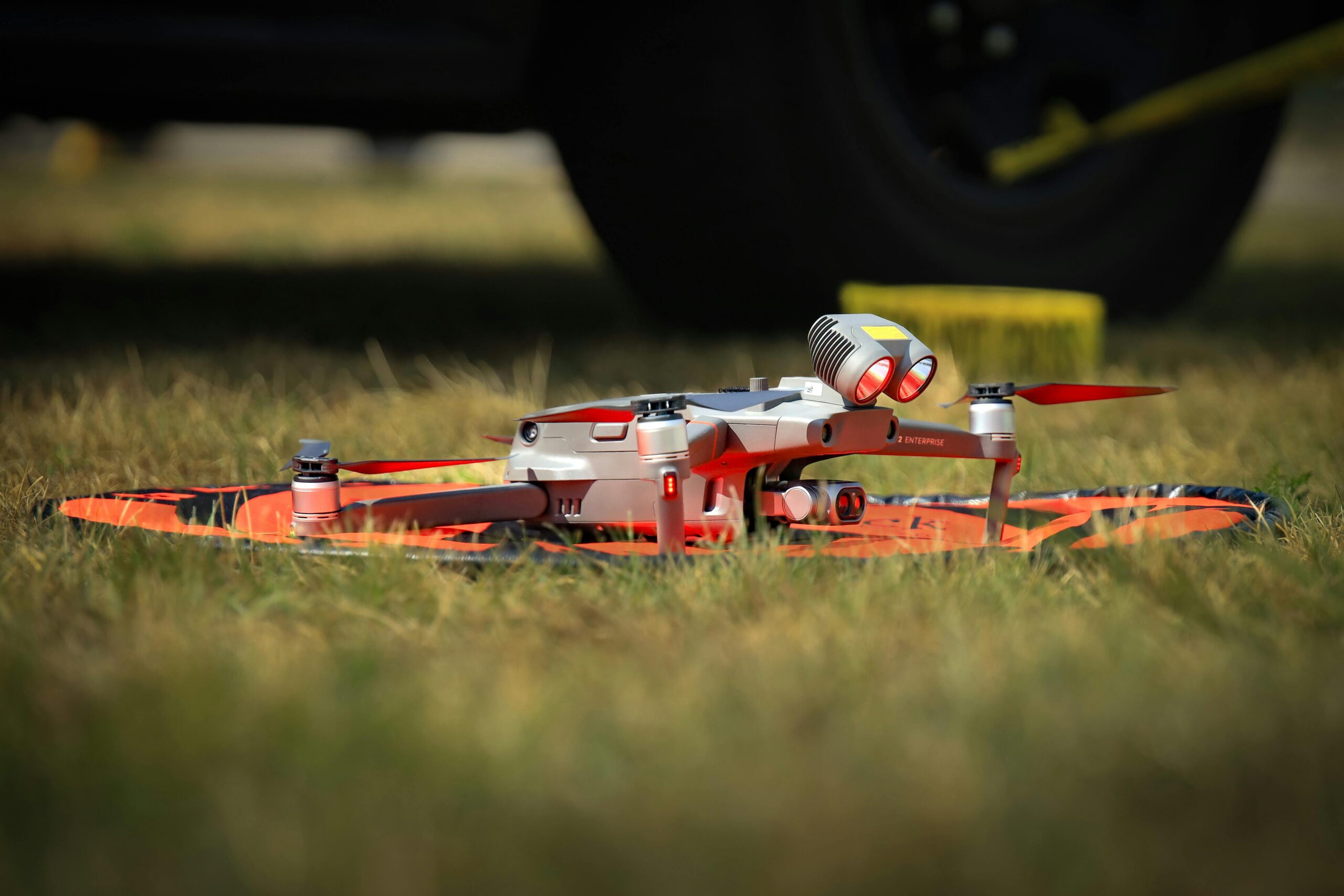
Professional surveying employs Light Detection and Ranging technology and aerial photogrammetry to create detailed elevation models. Drones equipped with these systems generate high-resolution Digital Elevation Models (DEMs) and Digital Terrain Models (DTMs) with remarkable precision.
These advanced methods produce millions of elevation points quickly, but require specialized equipment, technical expertise, and significant processing power to transform raw data into usable formats.
🎯 Essential Best Practices for Device-Based Elevation Recording
Implementing proper techniques during data collection prevents problems that are difficult or impossible to fix through post-processing. These practices apply whether you’re using a professional survey-grade receiver or a consumer fitness tracker.
Pre-Recording Calibration and Setup
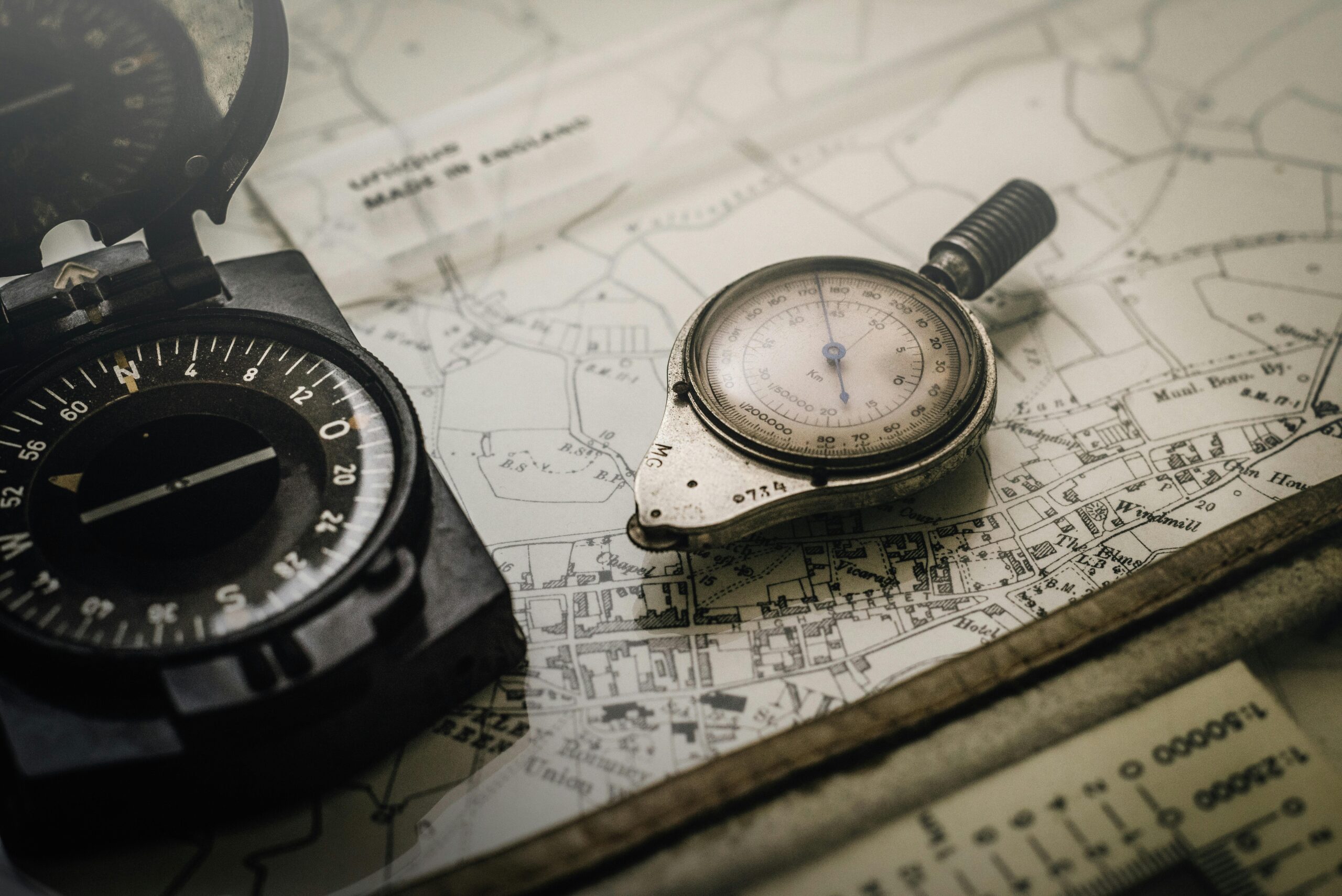
Always calibrate barometric altimeters before critical recordings. Set a known elevation reference point using topographic maps, surveyed benchmarks, or trusted GPS coordinates. This calibration accounts for current atmospheric conditions in your location.
Check battery levels before starting. Low power affects GPS reception quality and sensor performance. Cold weather accelerates battery drain, so keep devices warm and carry backup power sources for extended sessions.
Configure recording intervals appropriately for your activity. Fast-moving activities like mountain biking benefit from one-second recording intervals, while hiking may work well with five to ten-second intervals. Shorter intervals create larger files but capture terrain detail more accurately.
Optimizing Satellite Reception
GPS accuracy depends heavily on satellite geometry and signal quality. Begin recording in open areas with clear sky visibility to establish solid satellite locks before entering challenging terrain. The device needs signals from at least four satellites for three-dimensional positioning.
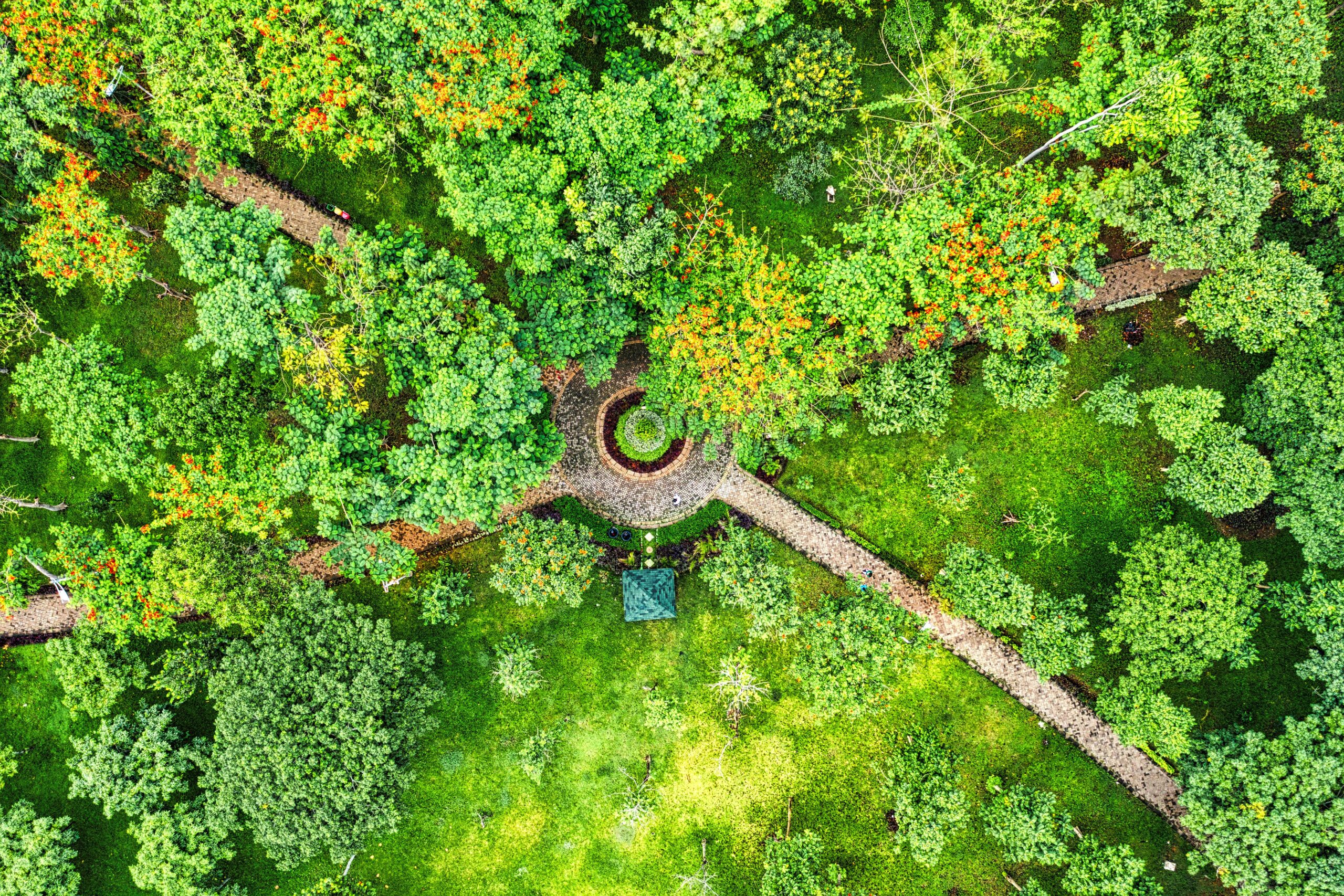
Avoid starting recordings under dense tree canopy, in narrow canyons, or between tall buildings. These environments cause multipath errors where satellite signals bounce off surfaces before reaching your receiver, creating position errors.
Enable multi-GNSS support in device settings. Accessing multiple satellite constellations improves coverage, especially in partially obstructed environments. However, be aware this increases power consumption.
Managing Environmental Factors
Weather significantly impacts both GPS and barometric measurements. Rapidly changing atmospheric pressure from approaching storms introduces errors in barometric altitude. GPS performance degrades during heavy precipitation or thick cloud cover due to signal attenuation.
Temperature extremes affect device performance. Lithium batteries lose capacity in cold conditions. LCD screens become sluggish or unresponsive. Keep devices insulated in extreme cold, using body heat to maintain operating temperatures.
Account for the ionosphere and troposphere effects on GPS signals. These atmospheric layers refract satellite signals, introducing errors that vary with time of day, season, and solar activity. Multi-frequency receivers can measure and compensate for these effects.
🔧 Post-Processing Techniques for Clean Elevation Data
Even perfectly executed field recording produces data requiring cleanup and refinement. Professional-grade results demand systematic post-processing workflows.
Identifying and Removing Outliers
Examine elevation profiles visually for obvious spikes or drops that violate physical reality. A hiker cannot suddenly drop 50 meters and return to the trail in two seconds. These GPS glitches require removal or interpolation.
Statistical methods help identify subtle outliers. Calculate moving averages and standard deviations across your elevation series. Points deviating beyond acceptable thresholds—typically two to three standard deviations—warrant closer inspection.
Context matters when evaluating suspicious points. A steep elevation change on a known cliff section may be legitimate, while the same change on mapped flat terrain indicates an error.
Smoothing and Filtering Strategies
Raw GPS elevation data contains high-frequency noise from various sources. Smoothing algorithms reduce this noise while preserving legitimate terrain features. However, over-smoothing eliminates real detail and creates unrealistic profiles.
Moving average filters replace each point with the average of surrounding points. Simple to implement, they work well for moderate noise levels. More sophisticated methods like Kalman filters or Savitzky-Golay filters preserve peak and valley shapes better.
Apply different smoothing intensities based on data quality and intended use. Navigation applications tolerate more aggressive smoothing than scientific research demanding maximum fidelity to actual terrain.
Drift Correction for Barometric Data
Barometric altitude measurements drift over time as weather systems alter local atmospheric pressure. A multi-hour recording may show significant elevation error at the finish despite returning to the starting point.
Correct for known start and end elevations by calculating the drift rate and adjusting intermediate points proportionally. This assumes linear drift, which approximates reality for recordings under six hours in stable weather.
Advanced correction uses multiple known elevation points along your route. Divide the recording into segments between known points and apply individual drift corrections to each segment for superior accuracy.
🗺️ Leveraging Reference Data for Validation and Enhancement
Comparing your recordings against established elevation datasets identifies errors and improves accuracy through data fusion techniques.
Digital Elevation Models as Ground Truth
Government agencies provide free DEMs covering most populated areas. USGS offers DEMs for the United States, while SRTM provides near-global coverage. These datasets represent terrain elevation at regular grid intervals.
Extract elevation values from DEMs at your recorded GPS positions. Compare these reference elevations against your measurements to identify systematic offsets or calibration errors. Small, consistent differences suggest simple calibration corrections will significantly improve your data.
DEM resolution affects usefulness. 30-meter resolution SRTM data smooths terrain detail, making it less suitable for small-scale features. Higher resolution 10-meter or 3-meter DEMs available in many regions better capture trail-level detail.
Crowd-Sourced Elevation Data
Platforms like OpenStreetMap include elevation data for trails, peaks, and other features contributed by users worldwide. This information provides validation checkpoints, though quality varies depending on contributor expertise.
GPS track databases from activities like Strava or hiking platforms aggregate elevation profiles from thousands of users on popular routes. Statistical analysis of this crowd-sourced data reveals typical elevation profiles and identifies common GPS error patterns.
📱 Choosing the Right Tools for Your Needs
Tool selection dramatically impacts data quality potential. Understanding specifications and limitations helps match tools to requirements.
Consumer Devices and Applications
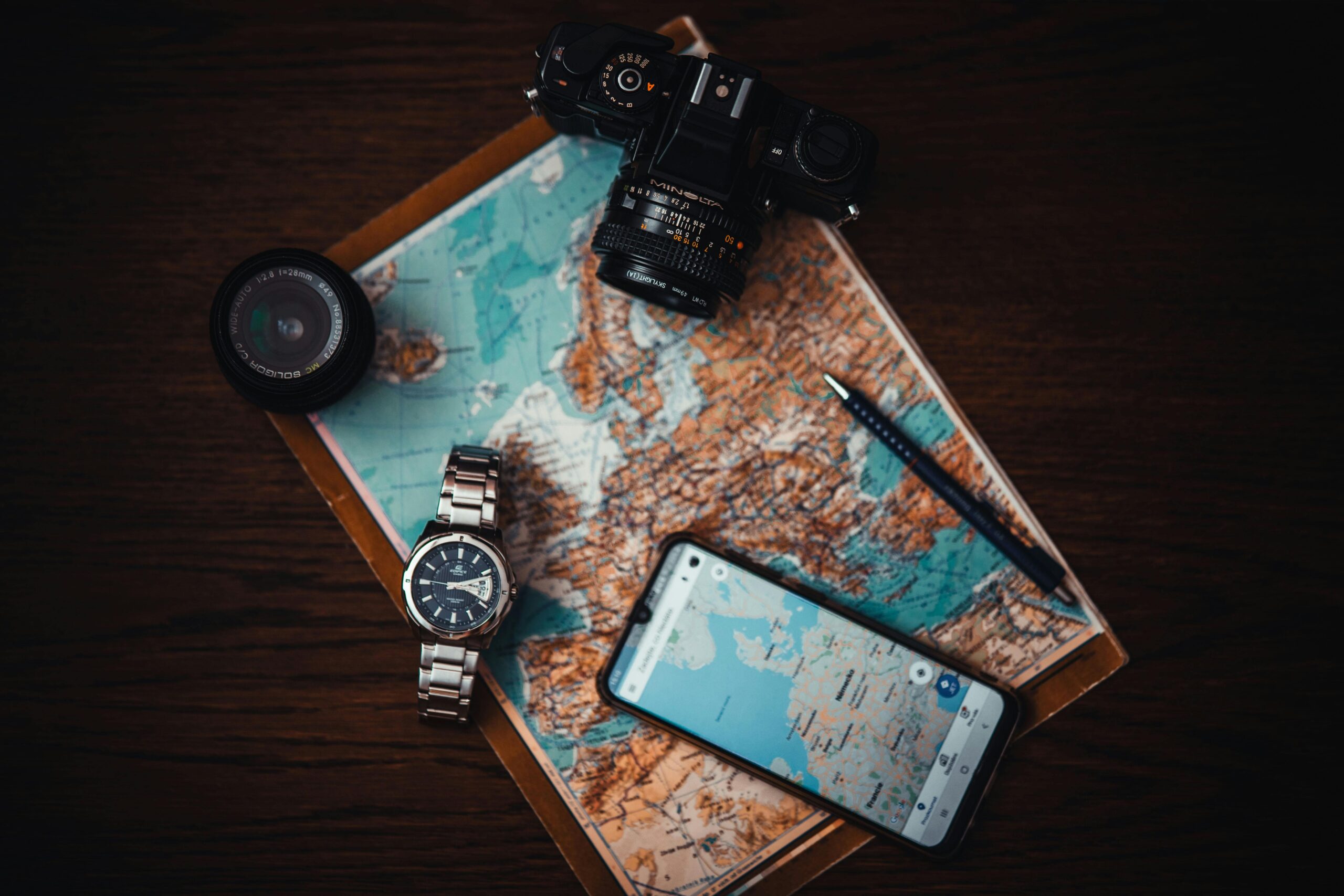
Smartphones provide convenient, always-available elevation recording. Modern devices include barometric sensors and multi-GNSS receivers delivering respectable accuracy for recreational use. However, antenna quality and processing power lag behind dedicated GPS units.
Fitness watches and outdoor GPS devices prioritize battery life and durability over smartphone convenience. Quality units feature superior satellite reception, more sensitive barometric sensors, and weather-resistant construction suitable for harsh conditions.
Dedicated GPS applications offer advanced recording options, data export formats, and display configurations beyond device defaults. Apps like Gaia GPS, ViewRanger, and specialized survey tools provide professional features at consumer price points.
Professional Survey Equipment
Survey-grade receivers cost thousands but deliver centimeter accuracy through advanced correction systems. These tools suit legal boundary surveys, construction site preparation, and scientific research demanding maximum precision.
Total stations combine electronic distance measurement with angular measurements to determine positions and elevations relative to known control points. While not satellite-based, they excel in environments where GPS fails.
💡 Common Mistakes That Compromise Data Quality
Recognizing and avoiding frequent errors separates amateur recordings from professional results.
Neglecting Device Familiarization
Users often start critical recordings without understanding device capabilities and settings. Reading manuals, experimenting with features, and practicing in familiar areas builds competence before important data collection.
Different devices calculate elevation gain using various algorithms. Some include all ups and downs, while others filter small changes as noise. Understanding your device’s methodology enables accurate comparisons and expectations.
Inappropriate Activity Type Selection
Many devices use activity profiles optimizing sensor fusion and filtering for specific movement patterns. Recording a bike ride using hiking mode may produce inferior results as the algorithms expect different speed and elevation change characteristics.
Ignoring Environmental Context
Collecting GPS data under heavy forest canopy, in slot canyons, or urban environments with tall buildings inevitably produces degraded results. Recognize these limitations and adjust methodology—perhaps relying more heavily on barometric data in these situations.
🌟 Advanced Techniques for Maximum Accuracy
Pushing beyond standard practices achieves results approaching professional survey quality with consumer equipment.
Static Averaging at Critical Points
Remain stationary at important waypoints for several minutes while recording continuously. Average these measurements to reduce random errors. This technique works especially well for summit elevations or trail junction documentation.
Occupying Known Benchmarks
Government survey agencies maintain networks of precisely measured elevation benchmarks. Recording at these locations provides calibration references and validates your equipment’s accuracy. Document systematic offsets for future correction application.
Sensor Fusion Implementation
Combine GPS and barometric data intelligently rather than choosing one source. Use GPS for absolute elevation calibration while relying on barometric changes for precise relative movements. This hybrid approach leverages each method’s strengths.
✨ Maintaining Long-Term Data Quality Standards
Consistency across multiple recordings requires systematic approaches and quality control processes.
Establish personal protocols documenting your methods, device settings, and processing workflows. This standardization enables meaningful comparisons between recordings made months or years apart.
Regularly verify device accuracy against known elevations. Annual or seasonal checks catch sensor degradation, calibration drift, or firmware issues affecting performance. Maintain logs tracking device accuracy over time.
Organize and archive recordings with comprehensive metadata. Note weather conditions, device settings, battery levels, and any unusual circumstances. This context proves invaluable when interpreting historical data or troubleshooting problems.
Continuous learning keeps skills current as technology evolves. New satellite constellations come online, algorithms improve, and devices gain capabilities. Professional forums, technical papers, and manufacturer documentation provide ongoing education opportunities.

🎓 Transforming Data Into Actionable Intelligence
Clean elevation data reaches its full potential when properly analyzed and presented. Raw numbers mean little without context and interpretation.
Calculate meaningful metrics from elevation profiles. Total ascent and descent provide workout intensity measures. Grade percentages inform route difficulty assessments. Elevation gain per distance reveals terrain ruggedness for planning purposes.
Visualize data effectively through elevation profile graphs, 3D terrain models, and contour maps. Different presentations suit different audiences and purposes. Hikers appreciate simple elevation profiles, while engineers need detailed contour maps.
Share findings responsibly with appropriate accuracy disclaimers. Clearly communicate your methodology, equipment used, and expected error margins. This transparency helps others assess whether your data meets their needs and builds trust in your work.
Mastering clean elevation data collection represents an ongoing journey rather than a destination. Each recording provides learning opportunities to refine technique and deepen understanding. The practices outlined here establish a foundation for consistent, reliable results whether you’re tracking personal fitness progress, contributing to scientific research, or supporting professional projects. Quality elevation data opens doors to better decisions, safer adventures, and deeper insights into the vertical dimension of our world.