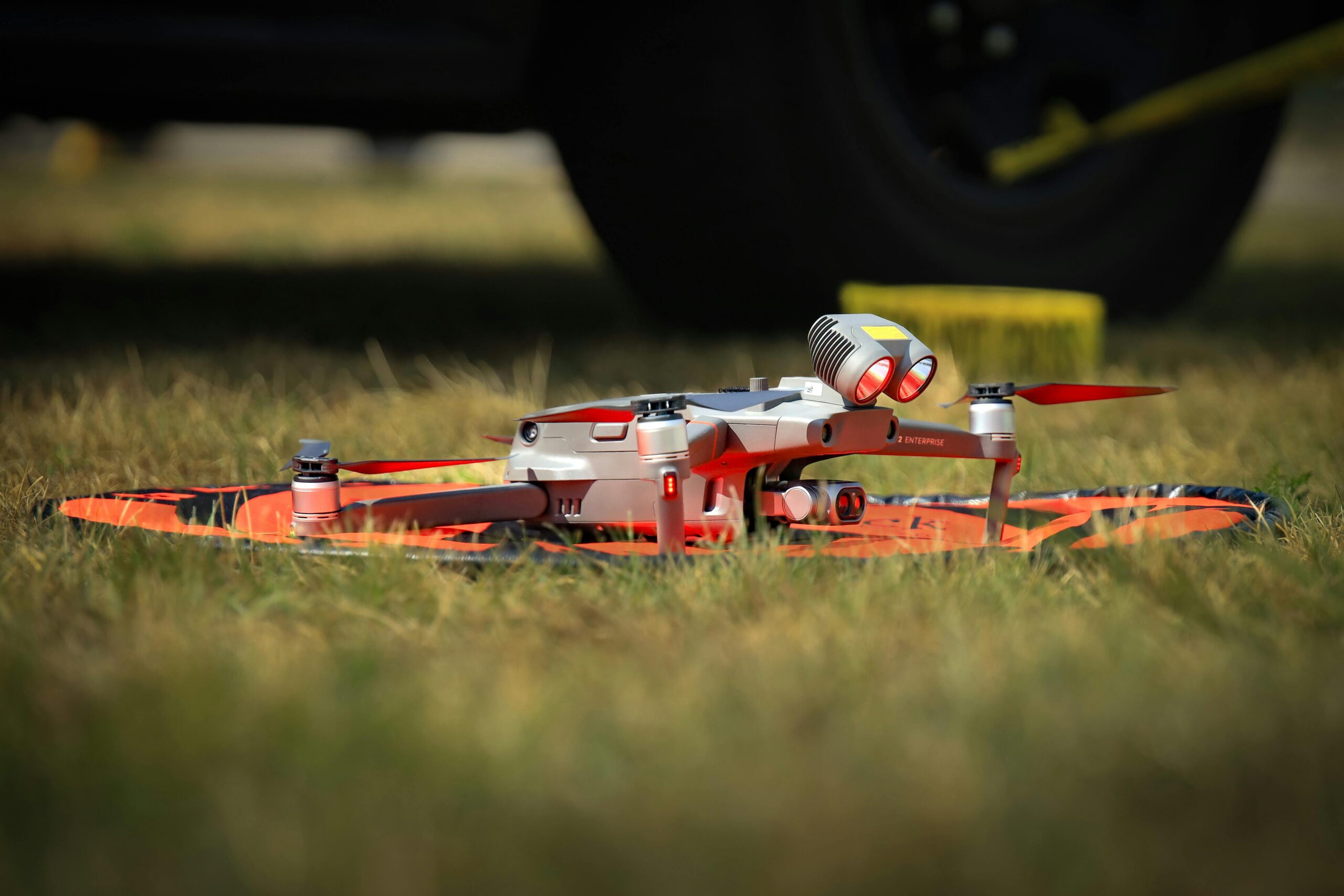
Field imaging workflows are evolving rapidly, and real-time upload pipelines are transforming how professionals capture, process, and share visual data from remote locations.

🚀 The Revolution of Real-Time Field Imaging
In today’s fast-paced professional environment, waiting hours or days to transfer field images back to the office is no longer acceptable. Real-time upload pipelines have emerged as a game-changing technology that allows photographers, surveyors, construction managers, environmental scientists, and field researchers to instantly transmit their captured images to cloud storage or central databases while still on location.
This technological advancement eliminates the traditional bottlenecks associated with manual file transfers, reduces the risk of data loss, and enables immediate collaboration between field teams and office personnel. The ability to upload images as they’re captured means that decision-makers can review visual data in real-time, providing feedback, identifying issues, and making critical decisions without delay.
The implementation of real-time upload systems represents more than just a convenience—it’s a fundamental shift in how organizations handle visual documentation. Industries ranging from construction and agriculture to wildlife research and insurance assessments are discovering that immediate image transmission can dramatically improve project outcomes, reduce costs, and enhance overall operational efficiency.
📸 Understanding Real-Time Upload Pipeline Architecture
A real-time upload pipeline is a sophisticated system that automatically transfers images from capture devices to designated storage locations without manual intervention. This technology relies on several interconnected components working seamlessly together to ensure reliable and efficient data transmission.
The architecture typically consists of capture devices equipped with wireless connectivity, compression algorithms that optimize file sizes for transmission, secure transfer protocols that protect data integrity, and cloud-based storage systems that provide immediate accessibility. Modern pipelines also incorporate intelligent queuing systems that prioritize uploads based on connection quality and file importance.
Key Components of Effective Upload Systems
The capture device serves as the starting point, whether it’s a smartphone, professional camera with WiFi capabilities, drone with integrated transmission, or specialized field equipment. These devices must have reliable connectivity options, including cellular networks, WiFi hotspots, or satellite connections for remote areas.
Data compression technology plays a crucial role in real-time systems. Advanced algorithms reduce file sizes without significantly compromising image quality, ensuring faster transmission times and reduced data costs. This is particularly important when working with high-resolution images or in areas with limited bandwidth.
Security protocols protect sensitive visual data during transmission. End-to-end encryption, secure authentication methods, and compliance with industry standards ensure that images remain confidential and tamper-proof throughout the upload process.
💡 Transformative Benefits for Field Operations
The implementation of real-time upload pipelines delivers measurable improvements across multiple dimensions of field operations. Organizations that adopt these systems consistently report significant gains in productivity, accuracy, and team collaboration.
Immediate Quality Assurance and Feedback
One of the most significant advantages is the ability to perform quality checks while field teams are still on location. When images upload automatically, supervisors and quality control specialists can review them immediately and provide feedback if retakes are necessary. This eliminates costly return trips to capture missing or inadequate images.
For construction projects, architects can verify that documentation meets requirements while crews are still on-site. Environmental researchers can confirm that sampling locations are properly documented before leaving remote areas. Insurance adjusters can ensure all necessary damage documentation is complete before concluding site visits.
Enhanced Collaboration and Decision-Making
Real-time access to field images enables unprecedented collaboration between distributed teams. Experts who couldn’t physically attend site visits can now participate remotely, examining high-resolution images and providing input during critical decision-making moments.
This capability proves invaluable for projects requiring specialized expertise. A structural engineer can assess foundation conditions from their office while the field team awaits guidance. Wildlife biologists can identify species from camera trap images transmitted from remote monitoring stations, enabling immediate adjustments to research protocols.
🔧 Practical Implementation Strategies
Successfully deploying real-time upload pipelines requires careful planning and consideration of organizational needs, technical infrastructure, and field conditions. Organizations should approach implementation systematically to maximize return on investment and minimize disruption to existing workflows.
Assessing Connectivity Requirements
Understanding the connectivity landscape of your field operations is essential. Conduct thorough assessments of typical work locations to determine available network options. Some areas may have excellent cellular coverage, while others might require satellite connectivity or portable WiFi hotspots.
Consider implementing hybrid approaches that automatically switch between available connection types based on signal strength and data costs. Many modern systems can queue images for upload when connectivity is unavailable, then automatically transmit when connections are restored.
Selecting Appropriate Hardware and Software
The choice of capture devices significantly impacts system effectiveness. Modern smartphones offer excellent camera quality and built-in connectivity, making them ideal for many applications. Professional cameras with WiFi capabilities provide superior image quality for specialized needs. Drones equipped with real-time transmission enable aerial documentation with immediate availability.
Software selection should prioritize systems that integrate seamlessly with existing workflows and storage solutions. Look for platforms offering automated metadata tagging, GPS location stamping, timestamp verification, and customizable upload triggers that match your operational requirements.
📊 Optimizing Upload Performance and Reliability
Achieving consistent performance from real-time upload systems requires ongoing optimization and attention to technical details. Organizations that invest time in fine-tuning their pipelines experience dramatically better results than those treating implementation as a one-time deployment.
Bandwidth Management and Compression Settings
Balancing image quality with transmission speed is a critical optimization challenge. Implement intelligent compression that adapts to connection quality—using higher compression when bandwidth is limited and preserving maximum quality when connectivity allows.
Consider tiered upload strategies where thumbnail versions transmit immediately for quick review, followed by full-resolution files when bandwidth permits. This approach provides immediate access while ensuring high-quality archives are available for detailed analysis.
Battery Life and Power Management
Continuous wireless transmission can rapidly drain device batteries, potentially interrupting field operations. Implement power management strategies including scheduled upload windows rather than continuous transmission, portable battery packs or solar chargers for extended field work, and energy-efficient wireless protocols that minimize power consumption.
Modern systems can intelligently manage uploads to balance timeliness with battery preservation, ensuring devices remain operational throughout the workday while still providing reasonably current image availability.
🌐 Industry-Specific Applications and Use Cases
Real-time upload pipelines deliver value across diverse industries, each with unique requirements and implementation considerations. Understanding how different sectors leverage this technology provides insights into optimal deployment strategies.
Construction and Infrastructure Projects
Construction sites benefit enormously from real-time image documentation. Daily progress photos automatically upload to project management systems, creating comprehensive visual records without additional administrative burden. Subcontractors can document completed work for immediate approval, reducing payment delays and disputes.
Safety inspections become more effective when images transmit immediately to compliance officers. Potential hazards can be identified and addressed before incidents occur. Quality control specialists review work in progress, catching defects early when corrections are less expensive.
Agricultural Monitoring and Precision Farming
Modern agriculture increasingly relies on visual data for crop monitoring, pest identification, and yield optimization. Drones equipped with real-time transmission capabilities capture multispectral imagery that immediately uploads to analysis platforms, enabling rapid detection of irrigation issues, disease outbreaks, or nutrient deficiencies.
Farm managers can monitor multiple locations simultaneously through real-time image feeds, optimizing resource allocation and responding quickly to developing problems. This responsiveness can mean the difference between minor corrections and significant crop losses.
Environmental Research and Wildlife Conservation
Remote camera traps with cellular connectivity revolutionize wildlife research by transmitting images immediately when animals trigger sensors. Researchers can monitor endangered species in real-time, adjusting study protocols based on current observations rather than waiting weeks to retrieve physical memory cards.
Environmental impact assessments benefit from continuous visual documentation that uploads automatically. Regulatory agencies can access current site conditions remotely, reducing the need for frequent site visits while maintaining oversight.
🔒 Security and Compliance Considerations
Transmitting sensitive visual data wirelessly introduces security challenges that organizations must address proactively. Robust security measures protect proprietary information, personal privacy, and regulatory compliance while maintaining the efficiency benefits of real-time systems.
Data Encryption and Access Control
All transmitted images should employ end-to-end encryption using current standards like AES-256. This ensures that even if transmissions are intercepted, the content remains unreadable to unauthorized parties. Implement strong authentication mechanisms including multi-factor authentication for system access and role-based permissions that limit viewing rights to appropriate personnel.
Regular security audits verify that encryption protocols remain current and effective against emerging threats. Organizations handling particularly sensitive information should consider private network infrastructures rather than public internet transmission.
Regulatory Compliance and Data Retention
Many industries face strict regulations regarding image documentation and data retention. Healthcare organizations must comply with HIPAA requirements, while government contractors may need to meet specific security certifications. Financial services firms face regulations about data sovereignty and storage locations.
Ensure your real-time upload pipeline includes compliant storage solutions with appropriate retention policies, audit trails documenting access and modifications, and geographic controls ensuring data remains in approved jurisdictions.
📱 Mobile Technology and Edge Computing Integration
The convergence of mobile technology and edge computing capabilities is expanding what’s possible with real-time field imaging. Modern smartphones and tablets offer processing power that was unimaginable just years ago, enabling sophisticated on-device analysis before images even transmit.
Edge computing allows preliminary image processing to occur on capture devices or local field servers. This can include quality assessment algorithms that flag potentially problematic images, object recognition that automatically categorizes and tags content, or compression optimization tailored to specific image characteristics.
Machine learning models deployed at the edge can provide immediate insights. A field inspector’s device might automatically identify specific defects or conditions, flagging images requiring urgent attention while routine documentation uploads in standard priority queues.
💰 Cost-Benefit Analysis and ROI Measurement
Organizations considering real-time upload pipeline implementation naturally question the financial justification. While upfront costs exist for hardware, software, and connectivity, the return on investment typically becomes apparent quickly through multiple value streams.
Direct cost savings emerge from eliminated travel for image retrieval, reduced storage and management of physical media, decreased project delays from missing documentation, and lower labor costs for manual file transfers. Indirect benefits include improved decision quality from timely information, enhanced customer satisfaction through transparency, and competitive advantages from operational efficiency.
Most organizations implementing comprehensive real-time imaging systems report ROI within 6-18 months, with benefits continuing to compound as teams develop workflows optimized around immediate image availability.
🎯 Future Trends and Emerging Technologies
The field of real-time imaging continues evolving rapidly, with emerging technologies promising even greater capabilities. Understanding these trends helps organizations plan implementations that remain relevant as technology advances.
5G networks are dramatically expanding bandwidth availability in many areas, enabling real-time transmission of extremely high-resolution images and even video streams. This connectivity improvement allows field teams to share live video with remote experts for real-time consultation during complex inspections or procedures.
Artificial intelligence integration is becoming increasingly sophisticated. AI systems can automatically organize uploaded images, extract relevant information for reports, identify anomalies requiring human attention, and even predict maintenance needs based on visual trend analysis.
Augmented reality integration allows remote experts to annotate field team views in real-time, with marked-up images immediately available to the field worker. This capability transforms remote consultation from passive observation to active collaboration.
⚡ Getting Started: Your Implementation Roadmap
Organizations ready to implement real-time upload pipelines should follow a structured approach that minimizes risk while maximizing learning and early wins. Begin with pilot programs in controlled environments before full-scale deployment.
Start by identifying high-value use cases where immediate image availability delivers clear benefits. This might be quality control in manufacturing, safety documentation in construction, or progress tracking in project management. Focus initial implementations where success can be easily measured and demonstrated.
Select pilot teams who are technically capable and open to new workflows. Their feedback will prove invaluable for refining processes before broader rollout. Provide comprehensive training not just on technical operation but on how real-time systems change workflows and enable new collaboration patterns.
Establish clear metrics for success including upload reliability percentages, time savings compared to previous methods, reduction in retake requirements, and user satisfaction scores. Regular measurement and adjustment ensure continuous improvement and justify ongoing investment.

🌟 Empowering Your Team Through Technology
Real-time upload pipelines represent more than technological advancement—they fundamentally empower field teams by making their work immediately visible and valuable. When images captured in remote locations instantly become available to entire organizations, field personnel gain recognition for their contributions and see how their documentation drives decisions.
This visibility can transform organizational culture, breaking down silos between field operations and office personnel. When everyone accesses the same current visual information, conversations become more productive and decisions more informed. Field teams appreciate that their work receives immediate attention rather than languishing on memory cards awaiting manual transfer.
The efficiency gains from real-time imaging also allow field personnel to focus on higher-value activities rather than administrative tasks. Time previously spent managing files and organizing uploads becomes available for additional site visits, more thorough documentation, or professional development.
Organizations implementing these systems consistently report improved employee satisfaction alongside operational improvements. Field teams equipped with modern tools that make their jobs easier and more effective tend to be more engaged and productive.
As imaging technology continues advancing and connectivity becomes increasingly ubiquitous, real-time upload pipelines will transition from competitive advantage to baseline expectation. Organizations that embrace these systems now position themselves at the forefront of their industries, delivering superior results through enhanced efficiency, accuracy, and collaboration. The question is no longer whether to implement real-time field imaging, but how quickly you can deploy systems that unlock these transformative benefits for your operations.