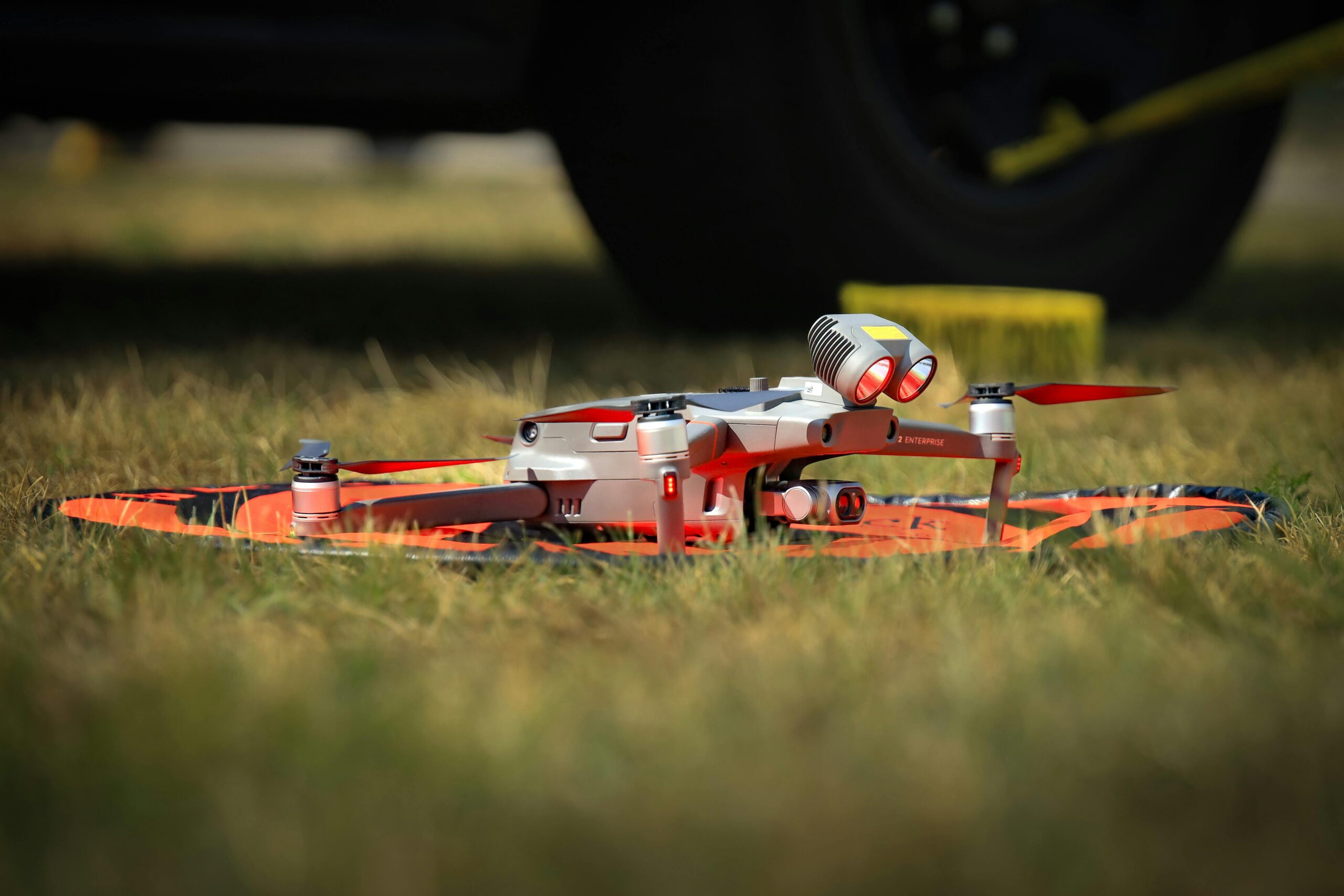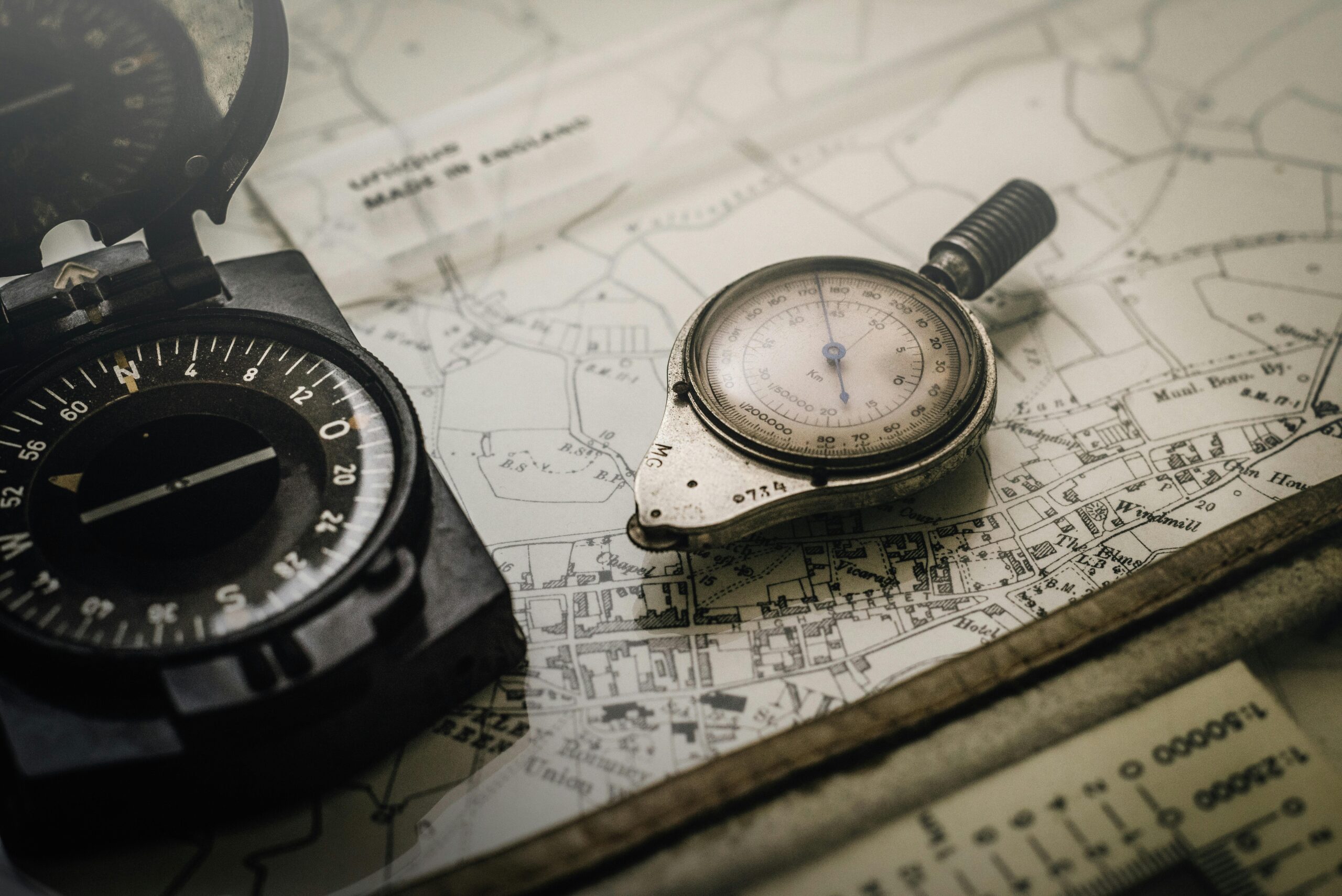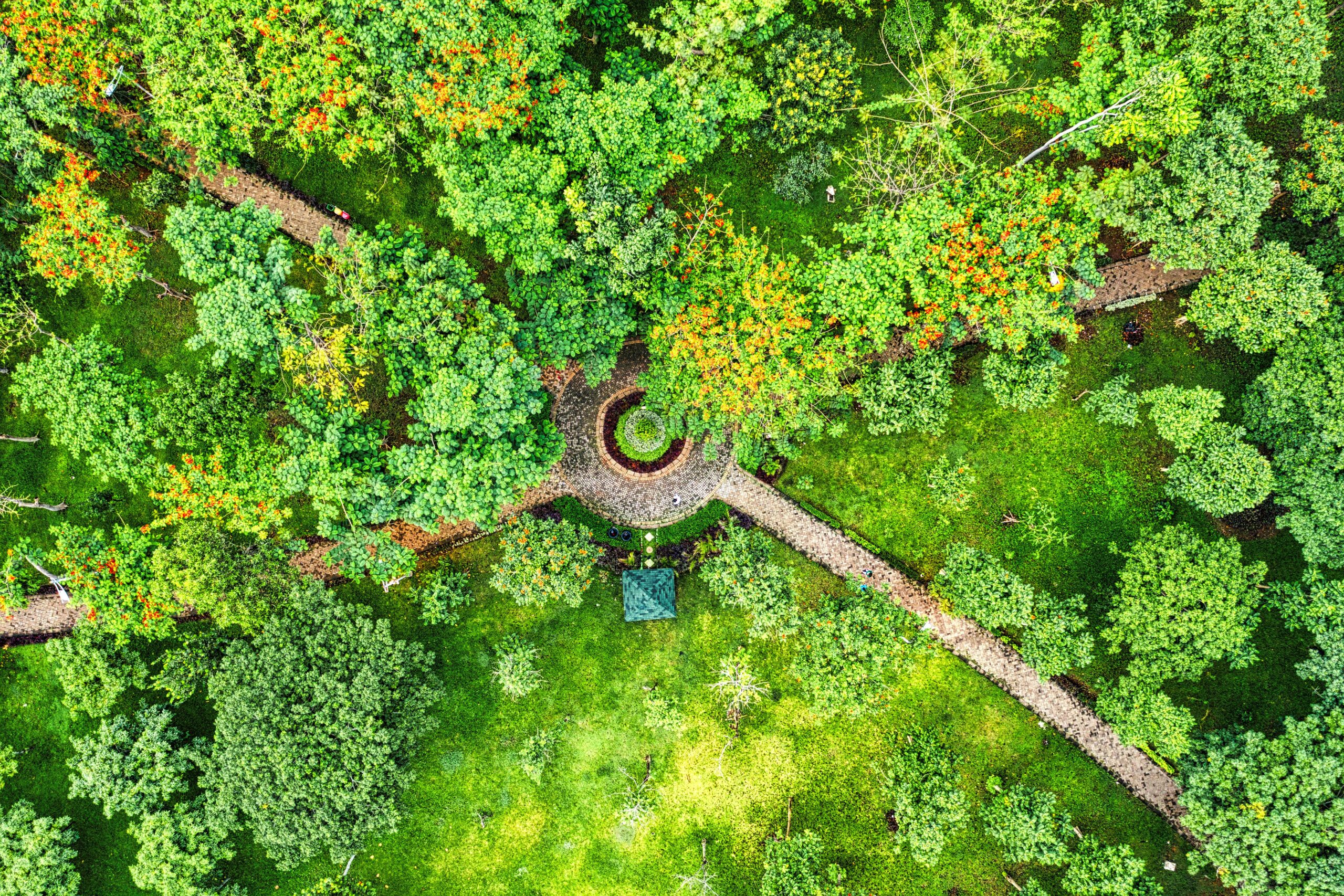
Modern cartography is experiencing a revolutionary transformation through multi-modal mapping technology, integrating diverse data sources to create comprehensive spatial intelligence solutions for professionals worldwide.

🌍 The Evolution of Mapping Beyond Traditional Boundaries
The landscape of geographic information systems has undergone remarkable changes over the past decade. What once relied solely on visible spectrum imagery has expanded into a sophisticated ecosystem of data collection methods. Multi-modal mapping technology represents the convergence of RGB photography, multispectral imaging, thermal sensing, and LiDAR point clouds into unified cartographic products that reveal insights invisible to conventional approaches.
This integration addresses fundamental limitations that have constrained cartographers for generations. Single-sensor systems capture only fragments of reality, while multi-modal platforms synthesize complementary perspectives into holistic representations of our physical environment. The result is actionable intelligence that transforms decision-making across agriculture, environmental monitoring, urban planning, disaster response, and infrastructure management.
Understanding the Core Technologies in Multi-Modal Integration
RGB Imaging: The Visual Foundation
Red-Green-Blue imaging captures the world as human eyes perceive it, providing intuitive visual context essential for interpretation. High-resolution RGB sensors mounted on drones or aircraft generate photogrammetric models with centimeter-level accuracy. These datasets serve as the baseline reference layer upon which specialized sensors add depth and detail.
Contemporary RGB cameras deliver resolutions exceeding 100 megapixels, capturing texture, color gradients, and structural details that facilitate feature extraction and classification. When processed through structure-from-motion algorithms, overlapping RGB images generate dense point clouds and orthomosaic maps suitable for measurement and analysis.
Multispectral Sensors: Seeing Beyond Visible Light
Multispectral imaging extends perception into wavelengths invisible to human vision. Agricultural-focused sensors typically capture narrow bands in blue, green, red, red-edge, and near-infrared portions of the electromagnetic spectrum. This spectral resolution reveals plant health indicators, moisture content, and stress factors long before symptoms become visible.
The normalized difference vegetation index (NDVI) and dozens of derivative indices calculated from multispectral data quantify vegetation vigor, enabling precision agriculture practices that optimize inputs and maximize yields. Beyond agriculture, multispectral analysis supports mineral exploration, water quality assessment, and ecological monitoring applications.
🌡️ Thermal Imaging: Revealing Temperature Patterns
Longwave infrared sensors detect thermal radiation emitted by objects, creating temperature maps independent of visible characteristics. Thermal imaging identifies heat loss in buildings, detects moisture intrusion, monitors industrial equipment, and tracks wildlife through dense vegetation. Emergency responders use thermal cameras to locate victims in search-and-rescue operations.
In agricultural contexts, thermal data reveals irrigation efficiency and identifies stressed crops experiencing elevated canopy temperatures. Solar farm operators employ thermal surveys to detect malfunctioning panels within extensive arrays. The integration of thermal imagery with RGB and multispectral data provides comprehensive site characterization impossible with any single sensor.
LiDAR Technology: Precision Elevation Mapping
Light Detection and Ranging systems emit laser pulses and measure return times to calculate distances with extraordinary precision. Airborne and terrestrial LiDAR generates millions of georeferenced points per second, creating detailed three-dimensional models that penetrate vegetation canopy and reveal ground surface topography.
LiDAR excels in applications requiring accurate elevation data: flood modeling, forest inventory, power line inspection, and archaeological site discovery. The technology distinguishes multiple returns from a single pulse, separating vegetation from ground returns to produce bare-earth digital terrain models essential for hydrological analysis and engineering design.
Technical Challenges in Multi-Modal Data Integration
Spatial Registration and Alignment
Combining datasets from sensors with different resolutions, viewing geometries, and coordinate systems demands sophisticated registration workflows. Geometric correction accounts for lens distortion, platform motion, and terrain relief displacement. Ground control points measured with survey-grade GNSS receivers establish common reference frameworks for multi-temporal and multi-sensor datasets.
Advanced photogrammetric software employs bundle adjustment algorithms that simultaneously optimize camera positions and ground coordinates. For aerial surveys, direct georeferencing using integrated inertial measurement units reduces ground control requirements while maintaining positional accuracy suitable for most mapping applications.
Radiometric Calibration Across Sensors
Converting raw sensor digital numbers into physically meaningful reflectance or radiance values requires careful radiometric calibration. Atmospheric conditions, solar angle, and sensor characteristics influence recorded values. Calibration panels with known reflectance properties provide reference targets for normalizing multispectral imagery.
Thermal cameras require temperature calibration accounting for emissivity variations across different materials. Without proper radiometric processing, multi-temporal comparisons become unreliable and quantitative analysis produces erroneous conclusions. Standardized workflows ensure consistency across survey campaigns and enable robust change detection.
⚙️ Data Volume and Processing Requirements
Multi-modal surveys generate enormous datasets demanding substantial storage and computational resources. A single drone flight capturing RGB, multispectral, and thermal imagery across 100 hectares produces tens of gigabytes requiring hours of processing on high-performance workstations. LiDAR surveys compound this challenge with billions of individual point measurements.
Cloud-based processing platforms distribute computational loads across server farms, accelerating turnaround times for deliverable products. Optimized algorithms exploit GPU parallel processing capabilities to handle photogrammetric reconstruction and point cloud classification tasks that would overwhelm conventional computing infrastructure.
Practical Applications Transforming Industries
Precision Agriculture and Crop Management
Agricultural professionals leverage multi-modal mapping to implement variable-rate application strategies that optimize fertilizer, pesticide, and irrigation inputs. Multispectral indices identify zones of varying crop vigor within fields, while thermal imagery reveals irrigation system inefficiencies and drainage problems affecting yield potential.
LiDAR-derived elevation models guide precision land leveling operations that improve water distribution and reduce input waste. RGB orthomosaics provide visual context for identifying weed pressure, pest damage, and lodging issues. The synthesis of these data layers enables agronomists to prescribe targeted interventions that enhance productivity while minimizing environmental impact.
🏗️ Infrastructure Inspection and Asset Management
Utility companies employ multi-modal surveys to monitor transmission corridors, identifying vegetation encroachment through LiDAR analysis while thermal imaging detects electrical hotspots indicating component deterioration. Transportation agencies use high-resolution RGB imagery for pavement condition assessment combined with LiDAR measurements of surface deformation.
Bridge inspectors access structural details from multiple perspectives through photogrammetric models derived from drone surveys. Thermal anomalies reveal subsurface delamination in concrete decks before visible cracking appears. This proactive approach reduces maintenance costs and prevents catastrophic failures through early intervention.
Environmental Monitoring and Conservation
Ecologists combine multispectral imagery with LiDAR-derived canopy height models to map habitat structure and biodiversity. Thermal surveys detect temperature gradients in aquatic ecosystems that influence species distribution. Coastal managers track shoreline erosion and wetland vegetation changes through multi-temporal analysis of integrated datasets.
Conservation organizations monitor protected areas for illegal activities using automated change detection algorithms that flag new structures or vegetation clearing. The comprehensive perspective provided by multi-modal data supports evidence-based policy decisions and adaptive management strategies addressing complex environmental challenges.
Emerging Technologies Expanding Capabilities
Hyperspectral Imaging: Hundreds of Spectral Bands
While multispectral sensors capture discrete bands, hyperspectral systems record continuous spectra across hundreds of wavelengths. This spectral resolution enables mineral identification, species-level vegetation classification, and detection of subtle chemical signatures invisible to broadband sensors. As hyperspectral technology becomes more accessible, integration with other data modalities will unlock unprecedented analytical capabilities.
📡 Synthetic Aperture Radar Integration
SAR systems penetrate clouds and operate in darkness, providing all-weather monitoring capabilities that complement optical sensors. Radar interferometry measures ground surface deformation with millimeter precision, critical for monitoring subsidence, landslides, and volcanic activity. The fusion of SAR with optical and LiDAR data creates comprehensive monitoring systems operating under any conditions.
Artificial Intelligence and Machine Learning
Deep learning algorithms trained on multi-modal datasets achieve superhuman performance in feature extraction and classification tasks. Convolutional neural networks identify crop diseases, building footprints, and infrastructure damage with minimal human intervention. As training datasets grow and architectures evolve, AI-powered analysis will democratize advanced geospatial intelligence previously requiring specialized expertise.
Best Practices for Successful Multi-Modal Projects
Mission Planning and Sensor Selection
Effective multi-modal surveys begin with clear objectives defining required outputs and accuracy specifications. Sensor selection balances budget constraints against performance requirements. Not every project requires all data types—thoughtful planning identifies the minimum sensor suite delivering actionable results.
Flight parameters including altitude, speed, and overlap percentages affect data quality and processing efficiency. Higher altitudes reduce ground resolution but increase coverage area per flight. Oblique imagery from multiple viewing angles enhances 3D reconstruction quality for vertical structures. Weather conditions significantly impact thermal and multispectral data quality, requiring surveys during optimal atmospheric windows.
Quality Control and Validation
Rigorous quality assurance protocols verify positional accuracy against independent check points and assess data completeness across project areas. Visual inspection identifies artifacts from processing errors or sensor malfunctions requiring reacquisition. Metadata documentation preserves critical information about collection parameters, processing workflows, and accuracy assessments for future reference.
🎯 Delivering Actionable Intelligence
The ultimate measure of success is whether delivered products enable informed decisions. Effective communication translates technical outputs into business intelligence accessible to non-specialist stakeholders. Interactive web maps, annotated imagery, and executive summaries present key findings without requiring GIS expertise. Training end-users to interpret multi-modal products maximizes return on survey investments.
The Future Landscape of Integrated Mapping
Multi-modal mapping technology continues evolving at an accelerating pace. Miniaturization enables simultaneous deployment of multiple sensors on compact drone platforms. Real-time processing pipelines deliver preliminary results during field operations, enabling adaptive survey strategies. Automated platforms conduct routine monitoring missions without human pilots, dramatically reducing operational costs.
The convergence of multi-modal mapping with digital twin technology creates dynamic virtual replicas of physical assets and environments. These living models integrate continuous sensor feeds, enabling predictive maintenance, scenario modeling, and immersive visualization. As 5G networks enable edge computing capabilities, processing moves from centralized facilities to field devices, accelerating the cycle from data acquisition to decision implementation.
Standardization efforts aim to improve interoperability between platforms and software ecosystems. Open data formats and processing protocols reduce vendor lock-in and facilitate collaboration across organizational boundaries. The democratization of advanced geospatial capabilities empowers smaller organizations and developing regions to access tools previously available only to well-funded institutions.
Overcoming Adoption Barriers
Despite compelling benefits, multi-modal mapping adoption faces obstacles including initial investment costs, technical complexity, and workforce skill gaps. Organizations transitioning from traditional methods require training programs building competencies in sensor operation, data processing, and analytical interpretation. Partnerships with specialized service providers offer entry paths without substantial capital expenditures.
Regulatory frameworks governing drone operations and data privacy continue evolving, creating uncertainty for commercial operators. Advocacy for sensible policies balancing innovation with legitimate safety and privacy concerns remains essential. Industry associations provide forums for sharing best practices and developing professional standards elevating service quality across the sector.
💡 Maximizing Value from Multi-Modal Investments
Organizations achieving greatest returns from multi-modal mapping technology view geospatial intelligence as strategic assets rather than isolated projects. Centralizing data repositories enables reuse across departments and applications. Standardized collection protocols ensure consistency supporting longitudinal studies and change analysis. Cultivating internal expertise through continuous learning programs builds institutional capacity reducing dependence on external consultants.
The integration of multi-modal data into existing business intelligence systems and decision workflows maximizes impact. APIs and web services enable automated delivery of derived products to stakeholders when needed. Mobile applications provide field personnel with access to current mapping products supporting real-time operations. This ecosystem approach transforms geospatial data from interesting visualizations into operational necessities.
Realizing the Full Spectrum Vision
Multi-modal mapping represents more than technological advancement—it embodies a philosophical shift toward comprehensive understanding of complex spatial phenomena. By synthesizing complementary perspectives, we transcend the limitations inherent in any single viewpoint. This holistic approach reveals patterns, relationships, and insights invisible through conventional methods.
The journey toward fully integrated multi-modal systems continues, driven by sensor innovations, processing algorithms, and creative applications across diverse domains. Organizations embracing this paradigm position themselves at the forefront of the geospatial revolution, equipped with unprecedented capabilities for understanding and managing our changing world. The full spectrum awaits those bold enough to look beyond traditional boundaries and unlock the transformative potential of integrated mapping technology.