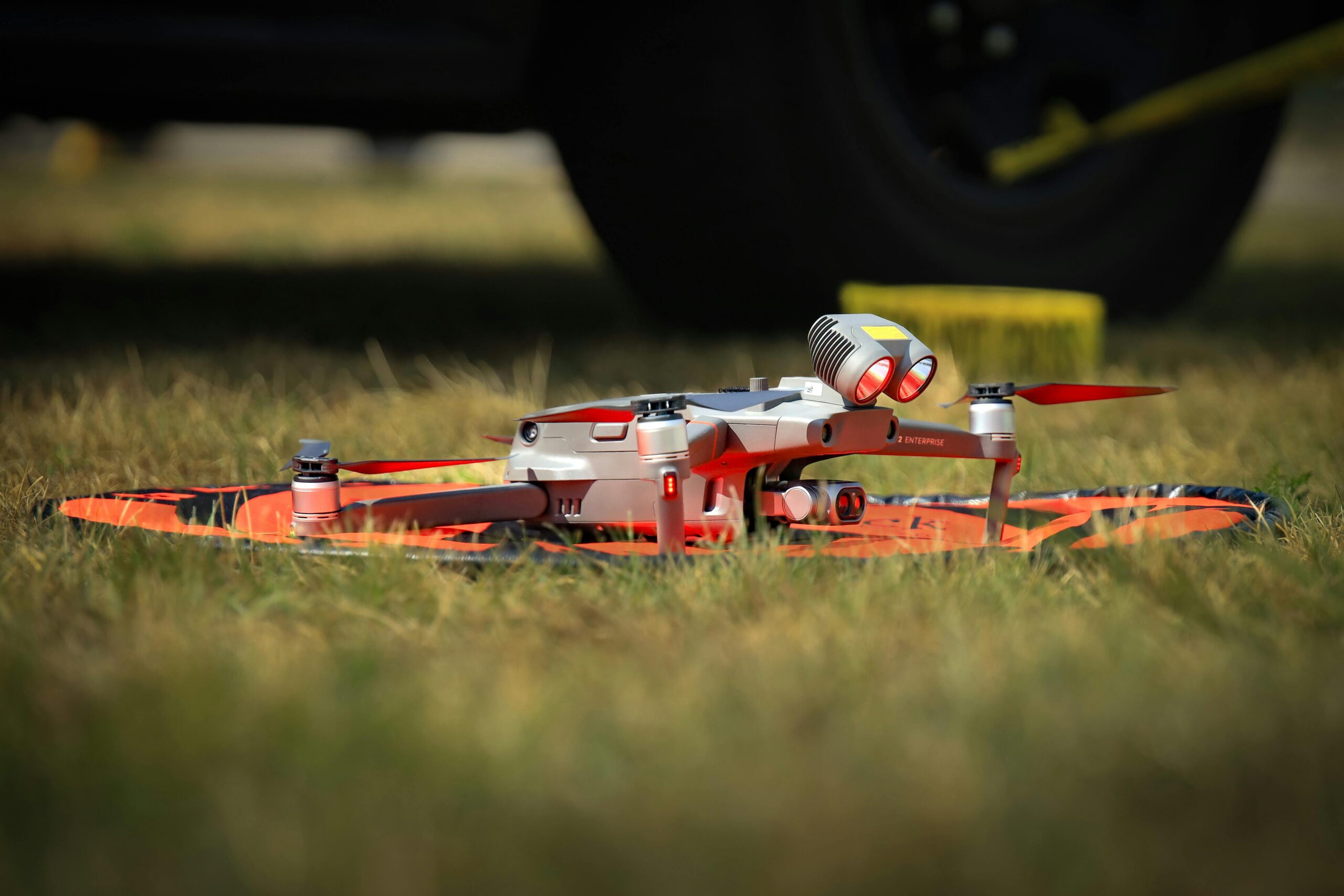
Drone cartography is revolutionizing spatial data collection, delivering unprecedented accuracy and efficiency. Establishing clear standards and deliverables ensures compliance while maximizing operational value. 🚁

The Revolution of Aerial Mapping Technology
The landscape of cartographic surveying has undergone a dramatic transformation with the introduction of unmanned aerial vehicles (UAVs). What once required extensive ground crews, expensive manned aircraft, and weeks of field time can now be accomplished in days with significantly reduced costs. Drone cartography has democratized access to high-resolution geospatial data, enabling industries from agriculture to urban planning to make informed decisions based on accurate, current information.
Modern drones equipped with advanced sensors capture millions of data points in a single flight, creating detailed representations of terrain, infrastructure, and environmental features. However, the true value of this technology lies not just in data collection, but in ensuring that collected information meets rigorous standards that guarantee reliability, accuracy, and usability across diverse applications.
Understanding Cartographic Standards in the Drone Era
Standards serve as the foundation of professional drone mapping operations. Without established protocols, the geospatial data collected would lack consistency, comparability, and trustworthiness. Several international and national organizations have developed frameworks specifically addressing drone-based surveying operations.
Key Standard-Setting Organizations 📋
The American Society for Photogrammetry and Remote Sensing (ASPRS) provides comprehensive positional accuracy standards for digital geospatial data. Their classification system ranges from 1-centimeter to 333-centimeter horizontal accuracy classes, allowing project managers to specify appropriate accuracy levels based on project requirements.
ISO 19157 establishes data quality principles applicable to geographic information, addressing completeness, logical consistency, positional accuracy, temporal accuracy, and thematic accuracy. These principles form the backbone of quality assurance protocols in drone cartography.
National mapping agencies, including the USGS in the United States and Ordnance Survey in the United Kingdom, have adapted traditional surveying standards to accommodate UAV-derived data while maintaining rigorous quality requirements that ensure compatibility with existing geospatial databases.
Precision Requirements Across Industries
Different applications demand varying levels of accuracy and detail. Understanding these requirements is essential for selecting appropriate equipment, planning flight missions, and processing data to meet client expectations and regulatory compliance.
Engineering and Construction Demands
Construction projects typically require horizontal accuracy within 2-5 centimeters and vertical accuracy within 5-10 centimeters. This precision level enables engineers to calculate cut-and-fill volumes, monitor construction progress, and verify as-built conditions against design specifications. Digital elevation models (DEMs) with sub-centimeter resolution support precise grading operations and drainage planning.
Agricultural Mapping Standards
Precision agriculture applications generally accept horizontal accuracy of 5-10 centimeters, sufficient for variable rate application mapping, yield monitoring, and crop health assessment. Multispectral and hyperspectral imagery require radiometric calibration standards to ensure vegetation indices like NDVI provide consistent, comparable results across different flights and seasons.
Cadastral and Legal Boundaries 📍
Land surveying for legal purposes demands the highest accuracy levels, often requiring 1-2 centimeter horizontal precision with properly established ground control points tied to national geodetic networks. Documentation must follow strict chain-of-custody protocols, and processing workflows must be transparent and repeatable to withstand legal scrutiny.
Essential Deliverables in Drone Cartography Projects
Professional drone mapping operations produce a variety of data products, each serving specific analytical or visualization purposes. Understanding these deliverables helps stakeholders communicate requirements effectively and evaluate project outcomes.
Orthomosaic Maps: The Foundation Product
Orthomosaics represent geometrically corrected aerial photographs where distortion has been removed, creating a uniform scale across the entire image. These georeferenced maps enable accurate distance, area, and angle measurements directly from the imagery. High-quality orthomosaics display seamless color balance, minimal distortion artifacts, and crisp detail at the specified ground sample distance (GSD).
Typical GSD ranges from 0.5 centimeters per pixel for detailed infrastructure inspection to 5 centimeters per pixel for large-area vegetation mapping. The selected GSD directly impacts file sizes, processing time, and the level of detail visible in the final product.
Digital Elevation Models and Surface Models
Digital Terrain Models (DTMs) represent bare-earth elevation, with vegetation and structures removed through classification algorithms. These models are essential for hydrological modeling, flood risk assessment, and infrastructure planning. Digital Surface Models (DSMs) include all features—buildings, trees, and other objects—providing a comprehensive representation of surface topography.
Modern photogrammetric processing generates point clouds containing millions of three-dimensional coordinates, each with associated color information. These dense point clouds serve as the foundation for creating both DTMs and DSMs, with point densities typically ranging from 50 to 1,000 points per square meter depending on flight altitude and camera specifications.
Volumetric Calculations and Stockpile Measurements 📊
Mining, quarrying, and construction operations rely on accurate volume calculations for inventory management, billing, and operational planning. Drone-derived elevation data enables rapid, safe stockpile measurements without requiring personnel to access potentially hazardous material piles. Cut-and-fill analysis compares current conditions against design surfaces or baseline measurements to quantify earthwork progress.
Contour Maps and Topographic Products
Traditional contour maps remain valuable visualization tools, particularly for stakeholders accustomed to interpreting topography through elevation lines. Automated contour generation from drone-derived DEMs can produce intervals from 10 centimeters to several meters, depending on terrain characteristics and project requirements. Properly labeled contour maps include coordinate grids, scale bars, north arrows, and metadata describing projection systems and accuracy specifications.
Flight Planning for Optimal Data Quality
Achieving specified accuracy standards begins with meticulous flight planning. Every parameter—altitude, speed, overlap, lighting conditions—affects final data quality and processing success.
Overlap Requirements and Coverage Patterns
Photogrammetric reconstruction requires substantial overlap between consecutive images. Industry best practices recommend 75-85% forward overlap and 60-75% side overlap for standard mapping missions. Higher overlap percentages improve reconstruction quality, particularly in areas with complex terrain or dense vegetation, though they increase flight time and data processing demands.
Flight patterns vary based on site characteristics and objectives. Grid patterns with perpendicular passes optimize coverage for flat, uniform areas. Terrain-following modes maintain consistent altitude above ground level across varying topography, ensuring uniform GSD throughout the project area. Oblique imagery captured at angles supplements nadir (straight-down) photography, improving vertical surface reconstruction for buildings and other structures.
Ground Control Point Strategies 🎯
Ground control points (GCPs) serve as reference markers with precisely known coordinates, enabling absolute positional accuracy in the final deliverables. GCP distribution significantly impacts overall accuracy, with points positioned around the project perimeter and strategic interior locations providing optimal results.
Modern RTK (Real-Time Kinematic) and PPK (Post-Processed Kinematic) GNSS-equipped drones reduce GCP requirements by recording precise camera positions during image capture. However, independent verification points remain essential for quality assurance, validating that processing achieved specified accuracy targets.
Processing Workflows and Quality Assurance
Raw drone imagery transforms into valuable cartographic products through sophisticated photogrammetric processing. Understanding workflow stages helps identify potential quality issues and implement appropriate controls.
Structure from Motion and Dense Matching
Photogrammetric software identifies matching features across multiple overlapping images, calculating three-dimensional positions through triangulation. This Structure from Motion (SfM) process generates sparse point clouds representing camera positions and tie points. Dense image matching algorithms then create highly detailed point clouds, with modern software processing thousands of images to produce billions of coordinated points.
Classification and Feature Extraction
Automated classification algorithms separate point clouds into categories: ground, vegetation, buildings, water, and other features. Machine learning techniques have dramatically improved classification accuracy, though manual refinement remains necessary for complex environments. Properly classified point clouds enable generation of clean DTMs essential for hydrological modeling and infrastructure design.
Accuracy Assessment Protocols ✅
Independent checkpoints—surveyed locations not used in processing calibration—provide objective accuracy assessment. Statistical analysis compares checkpoint coordinates from the drone-derived products against ground-truth measurements, calculating root mean square error (RMSE) values for horizontal and vertical dimensions. Professional reports include accuracy statements following ASPRS or equivalent standards, clearly documenting achieved precision levels.
Regulatory Compliance and Documentation Requirements
Operating drones for commercial cartography requires navigating complex regulatory frameworks that vary by country and jurisdiction. Compliance extends beyond flight operations to encompass data privacy, airspace authorization, and professional liability considerations.
Aviation Authority Regulations
In the United States, the FAA Part 107 regulations govern commercial drone operations, requiring remote pilot certification, daylight operations (with waivers available), visual line-of-sight maintenance, and maximum altitude restrictions of 400 feet above ground level. Other countries maintain similar frameworks through their respective civil aviation authorities.
Operations near airports, over people, or beyond visual line-of-sight require special authorizations demonstrating appropriate risk mitigation measures. Documentation of flight planning, safety procedures, and operational logs becomes part of the compliance record.
Data Privacy and Security Considerations 🔒
Aerial imagery frequently captures sensitive information, raising privacy concerns particularly in populated areas. Professional operators implement policies addressing data collection notices, secure storage protocols, and controlled access to raw imagery. GDPR in Europe and various state privacy laws in the US impose specific requirements for handling personally identifiable information captured during mapping missions.
Technology Trends Shaping Future Standards
Drone cartography continues evolving rapidly, with emerging technologies promising enhanced capabilities while introducing new standardization challenges.
LiDAR Integration and Sensor Fusion
Lightweight LiDAR sensors increasingly complement traditional photogrammetric cameras, providing direct distance measurements that excel at penetrating vegetation canopy. Sensor fusion techniques combine LiDAR point clouds with photogrammetric reconstruction and multispectral imagery, leveraging the strengths of each technology. Standardizing coordinate systems, accuracy specifications, and deliverable formats across these diverse sensors remains an ongoing industry challenge.
Artificial Intelligence and Automated Feature Extraction
Machine learning algorithms now automatically identify and delineate features such as road edges, utility lines, tree locations, and building footprints. These AI-powered workflows dramatically reduce manual digitizing time, though validation procedures ensuring extraction accuracy remain essential. Future standards will need to address confidence levels and quality metrics specific to AI-derived cartographic features.
Real-Time Mapping and Edge Processing 💻
Onboard processing capabilities enable preliminary map generation during flight operations, providing immediate feedback about coverage gaps or quality issues. Real-time mapping supports time-sensitive applications like disaster response and search operations. However, field-processed deliverables typically require subsequent refinement to meet professional cartographic standards for permanent record purposes.
Best Practices for Project Success
Consistently delivering high-quality cartographic products requires combining technical expertise with systematic project management approaches.
Pre-Mission Site Assessment
Successful projects begin with thorough site reconnaissance identifying potential obstacles, electromagnetic interference sources, and optimal GCP locations. Understanding site-specific challenges—reflective surfaces, moving vegetation, or restricted access areas—enables appropriate flight planning adjustments before mobilizing equipment.
Redundancy and Contingency Planning
Professional operations maintain backup equipment, alternative flight plans for changing weather conditions, and flexible scheduling accommodating unexpected delays. Battery management, data storage redundancy, and communication protocols ensure mission completion despite equipment failures or environmental challenges.
Client Communication and Expectation Management 🤝
Clear specification of deliverables, accuracy expectations, processing timelines, and pricing structures prevents misunderstandings. Sample products, accuracy statements, and delivery format examples help clients understand what they will receive. Transparent communication about limitations—areas with poor imagery quality, classification challenges, or accuracy constraints—builds trust and manages expectations realistically.
Maximizing Value Through Strategic Implementation
Organizations investing in drone cartography capabilities achieve maximum return by aligning technology deployment with strategic business objectives and operational workflows.
Integration with Existing GIS Infrastructure
Drone-derived products deliver greatest value when seamlessly integrated into existing geographic information systems. Establishing compatible coordinate reference systems, standardized naming conventions, and automated data pipelines reduces manual handling and accelerates information delivery to decision-makers. Cloud-based platforms enable field crews, office staff, and external stakeholders to access current mapping products from any location.
Continuous Improvement and Training Investment
Rapidly evolving technology requires ongoing training investment ensuring operators and data processors maintain current skills. Regular accuracy audits, peer reviews of deliverables, and participation in professional organizations promote continuous quality improvement and awareness of emerging best practices.

The Future of Precision Aerial Mapping 🚀
Drone cartography has matured from experimental technology to mission-critical infrastructure supporting industries worldwide. Continued advancement depends on maintaining rigorous standards ensuring data quality, interoperability, and reliability. Organizations that prioritize accuracy, invest in proper equipment and training, and implement systematic quality assurance processes position themselves as trusted providers of geospatial intelligence.
The convergence of improved sensors, sophisticated processing algorithms, and comprehensive standards frameworks enables unprecedented mapping precision at accessible costs. Whether supporting construction projects, environmental monitoring, agricultural optimization, or disaster response, drone cartography delivers actionable spatial information that drives better decisions and improved outcomes.
Success in this dynamic field requires balancing technological capability with professional rigor, regulatory compliance with operational efficiency, and innovation with standardization. By adhering to established cartographic principles while embracing emerging technologies, practitioners ensure that drone mapping continues fulfilling its promise of accurate, efficient, and compliant geospatial data collection for decades to come.